
Last updated November 15, 2026
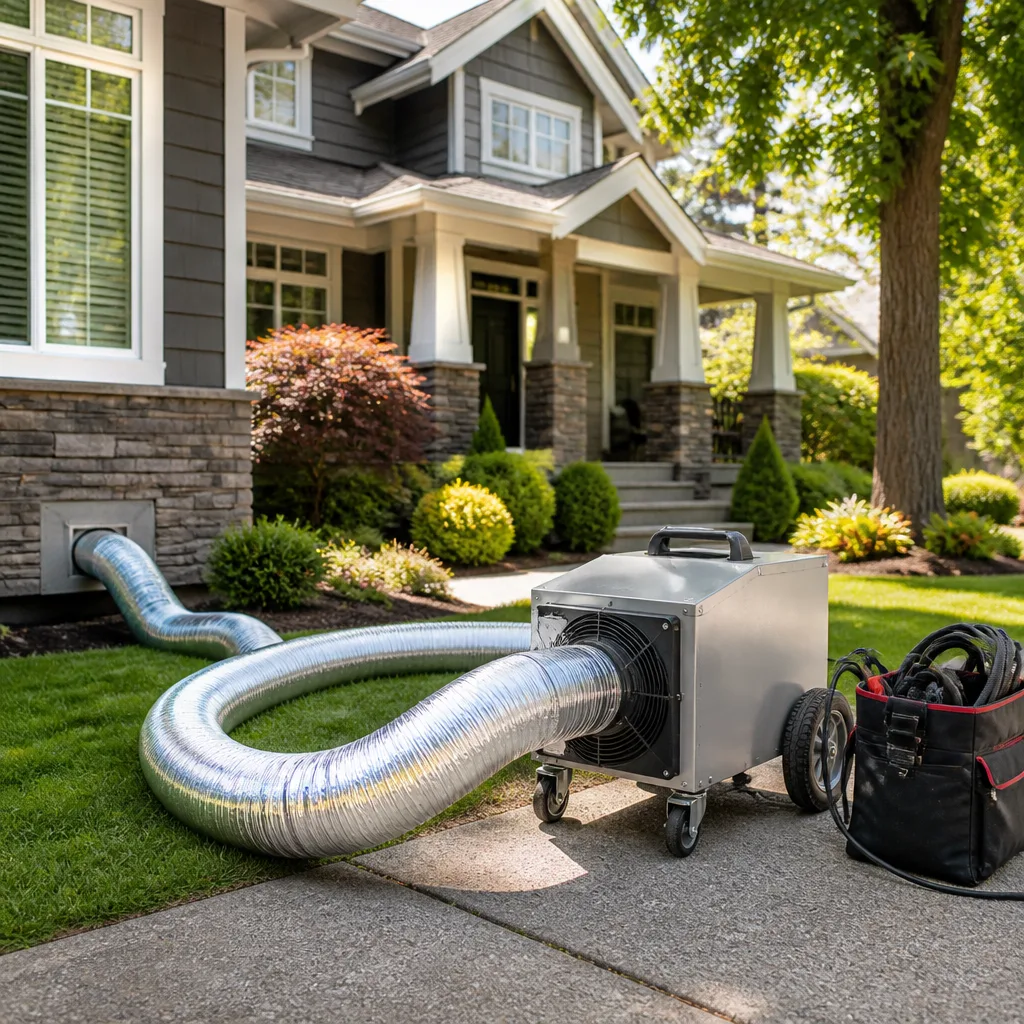 Whole-home duct cleaning
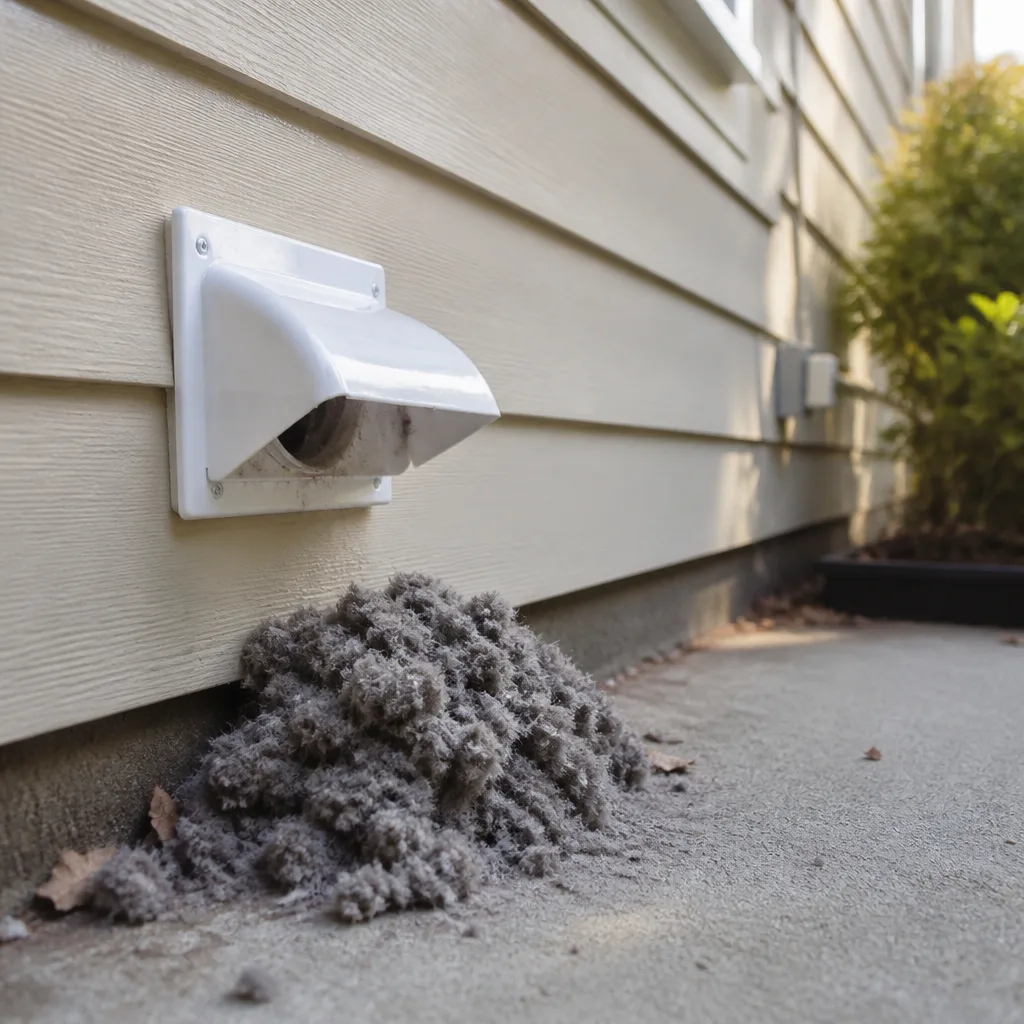 Dryer vent cleaning
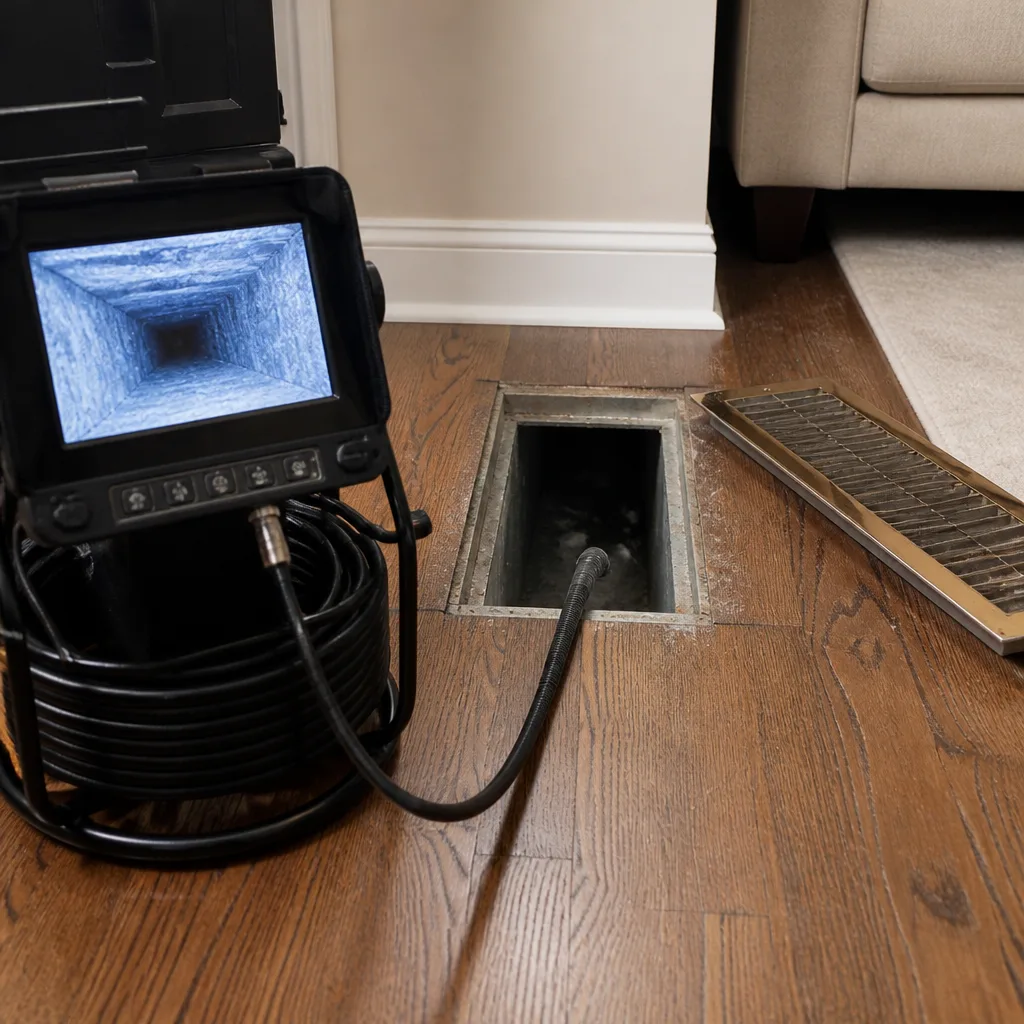 Camera inspection
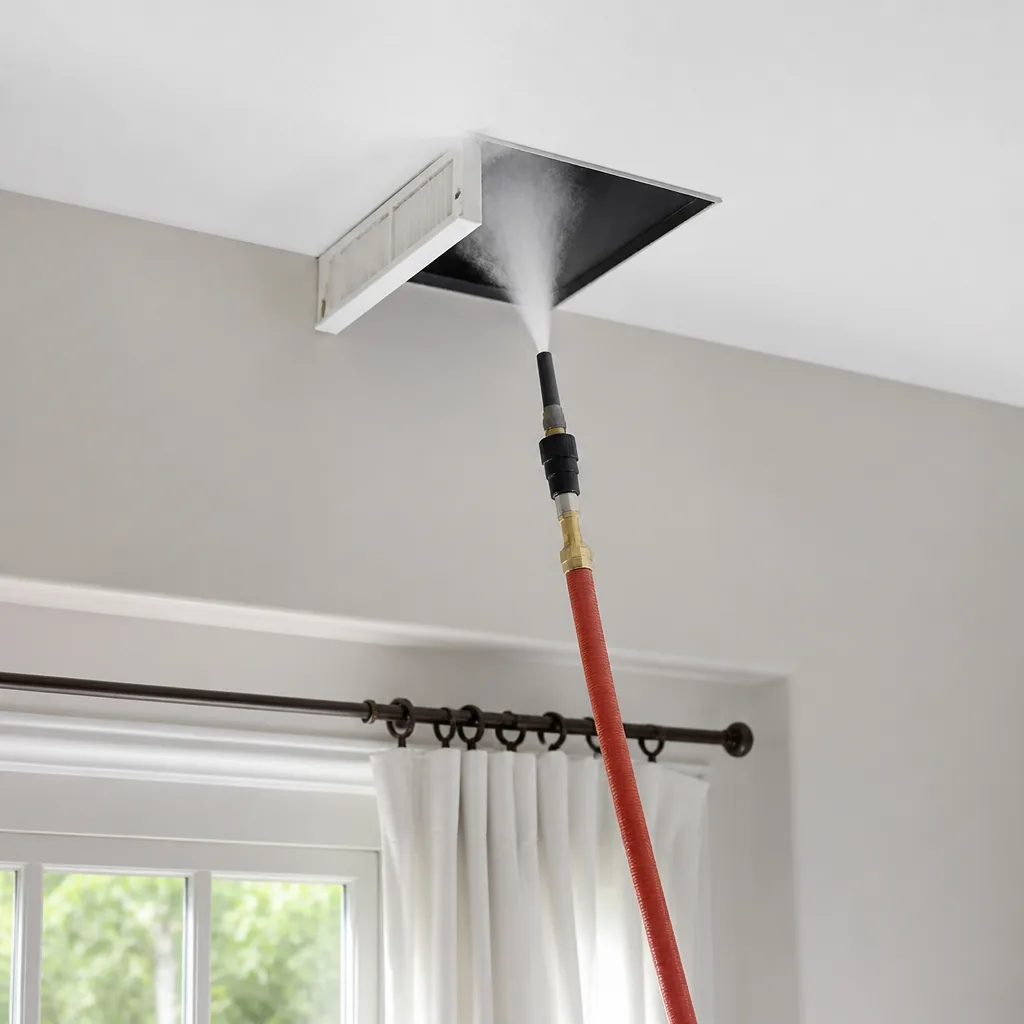 Sanitizing & deodorizing
Whole-system duct and dryer vent check with before-and-after photos - you see exactly what came out of your vents
That "$99 whole-house special" is a bait ad - the real number appears once they are in your hallway, or the "clean" is a shop-vac at the register. We photograph the inside of your ducts before and after instead.
Air Duct Cleaning Maintenance Schedule: What to Do and When
Most homeowners searching for a duct cleaning schedule find the same answer repeated across dozens of sites: every three to five years. That guidance has a useful place, but it was written for a national average, not for the coastal Carolina climate. Wilmington averages around 57 inches of rain a year and regularly reaches 90% relative humidity. Those two numbers change the maintenance math. In our experience, homes here tend to need a more structured inspection and cleaning cycle than a blanket “every few years” rule suggests. This guide lays out a maintenance calendar built for Wilmington conditions: what to check each season, the three tiers of service and what triggers each one, and the home-specific factors that shorten or extend the interval between cleanings.
Quick Answer
In Wilmington, most homes should have their air ducts inspected once a year and professionally cleaned every two to three years, with a shorter interval in homes that have pets, recent renovations, a crawl space, or a wood-burning fireplace. Humidity, storm-season debris, and longleaf pine pollen all accelerate contamination here more than in drier climates. If your system hasn’t been inspected in over a year, start there before committing to a cleaning schedule.
Styles & brands we work with
- Whole-home duct cleaning
- Dryer vent cleaning
- Camera inspection
- Sanitizing & deodorizing
Table of Contents
- Why a Generic “Every 3-5 Years” Schedule Doesn’t Fit Wilmington
- The Three Maintenance Tiers: Inspection, Cleaning, and Cleaning-Plus-Treatment
- Your Wilmington-Specific Maintenance Calendar
- Home-Specific Factors That Change Your Cleaning Interval
- What a Proper Duct Inspection Actually Documents
- A Simple Annual Homeowner Checklist
- The Dryer Vent Schedule (A Separate Job)
- How to Tell If It’s Actually Time to Clean
Why a Generic “Every 3-5 Years” Schedule Doesn’t Fit Wilmington
The EPA’s well-known guidance to “clean ducts as needed” was written for a broad national audience, much of it in drier parts of the country. It was never calibrated for a city that averages 57 inches of rain per year and spends long stretches at very high relative humidity. The national number assumes an environment where dust settles and stays relatively dry. Wilmington isn’t that environment.
Here, ducts face three contamination pressures that most schedule charts ignore:
- Humidity-driven biological growth. When warm, moist air sits inside ductwork or condenses on cool supply boots, the conditions for mold and mildew growth exist. That’s a factor calendar-based cleaning schedules written for arid climates simply don’t account for.
- Longleaf pine pollen. Wilmington sits in longleaf pine country. In peak pollen months, fine yellow pollen is pulled into return air and coats duct walls and the air handler. Pollen season leaves a measurable film that accumulates faster than ordinary household dust.
- Post-storm debris infiltration. Hurricane season affects this region, and in the storm-preparation and recovery cycle, outdoor debris, roof material, and fine grit can enter the system. After a major weather event, debris that gets drawn into returns is not the same as normal dust loading.
The practical outcome: in Wilmington, a fixed “clean every three to five years and forget about it” approach leaves too much to chance. A structured cycle that pairs an annual inspection with a cleaning interval adjusted to your home’s own conditions keeps the system cleaner and catches problems before they grow.
The Three Maintenance Tiers: Inspection, Cleaning, and Cleaning-Plus-Treatment
Not every home needs the same level of service, and the point of a maintenance schedule is knowing which tier you’re due for. Here are the three tiers we use to think about duct maintenance, along with the specific conditions that trigger each.
Tier 1: Inspection Only
This is a documented visual and mechanical assessment. It’s the right tier when the system has no known issues, it’s been serviced in the last few years, and you’re just establishing a baseline. Triggers: last cleaning within the recommended interval, no visible dust at supply registers, no musty odor, no recent renovation or storm.
Tier 2: Cleaning
This is a full cleaning with proper containment and negative-air pressure. Triggers: visible dust buildup inside registers, a musty or “dirt” smell when the system runs, a recent renovation or major storm, or it’s simply been over three years with no professional service. Cleaning includes the supply and return runs plus the components that matter, not a surface wipe of a vent cover.
Tier 3: Cleaning-Plus-Treatment
This adds treatment for biological growth or persistent contamination beyond what cleaning alone resolves. Triggers: visible mold or discoloration inside ductwork or on the air handler, a persistent musty odor that comes back after cleaning, or documented moisture at the supply boots. Treatment should only follow an inspection that actually finds these conditions. In our experience, a home at 90% summer humidity with crawl-space construction is far more likely to land in this tier than a slab home on higher ground.
Your Wilmington-Specific Maintenance Calendar
A calendar makes the schedule concrete. This is the general rhythm that fits the Wilmington climate, with the seasonal pressures each period brings.
- Late winter / early spring (before pollen peaks): Replace filters and do a visual check of supply registers. Pre-pollen is the cleanest starting point for the season. If it’s been years since service, this is a good window for a full cleaning so pollen doesn’t settle onto already-loaded ductwork.
- Spring (longleaf pine pollen season): Change filters more often during peak pollen. Expect yellow film on return grilles. High pollen is one of the factors that pushes a home toward a shorter cleaning interval.
- Summer (peak humidity): Watch for condensation at supply boots and check for any musty smell when the system starts. High humidity is the period that drives mold risk, so this is when a Tier 3 treatment is most likely justified. Keep relative humidity in the home under control with your AC and, where you have one, a whole-home dehumidifier.
- Late summer / fall (hurricane season): After any major storm or flooding near the home, inspect for debris infiltration. Post-storm is the single most common reason a duct system needs service it didn’t need a month before.
- Fall (before heating season): Replace filters, wipe down registers, and confirm the return path is clear. If you burn wood, note the added fine ash loading in the system.
- Winter: Routine filter changes continue. This is generally the driest, lowest-pressure period for duct contamination in Wilmington.
An annual inspection anchors this calendar. The cleaning tiers slot in based on what the inspection finds, not a fixed date on the wall.
Home-Specific Factors That Change Your Cleaning Interval
Two homes on the same block can need very different cleaning intervals. These are the factors that take measurable time off the standard interval. As specialists, our job is to assess these rather than apply one rule to every house.
- Pets: Fur and dander load the return air faster than ordinary dust. Homes with multiple pets typically move toward the shorter end of the interval.
- Recent renovation: Drywall dust, sawdust, and construction grit are drawn into the system during and after remodeling. A cleaning after major work is often the right call regardless of schedule.
- Crawl space construction: Homes with ductwork running through crawl spaces are exposed to higher moisture and ground-level grit than slab or fully conditioned designs. Moisture at the duct runs is a recurring concern here.
- Wood-burning fireplace: Fine combustion ash and soot migrate into the return air. Homes using a fireplace regularly see faster buildup.
- Older ductwork or known leaks: Loose joints and disconnected runs pull attic or crawl-space air in directly. If an inspection finds a leak, air duct repair matters as much as cleaning: fixing the source keeps the system clean longer. That’s why we offer cleaning and repair from the same company, so a discovered problem doesn’t send you looking for a second contractor.
Each of these factors adds time to the cleaning interval rather than replacing the need for a schedule. A home with pets, a fireplace, and a crawl space is a very different maintenance proposition than a newer one-bedroom.
What a Proper Duct Inspection Actually Documents
“We looked in one register with a flashlight” is not an inspection. A NADCA-standard assessment documents conditions across the whole system, and homeowners should know what to ask for so they can tell the difference. Here’s what a real inspection should cover and document:
- Access to multiple points, not one. A qualified inspector opens access at the air handler, at main supply and return runs, and at representative registers, and photographs each. Conditions at one vent tell you almost nothing about the rest of the system.
- Contamination assessment. The report should note type and location of debris, dust, and any biological growth. It should distinguish surface dust from conditions that call for treatment.
- Moisture check. In Wilmington, moisture at supply boots, duct runs, and near the air handler is the key thing to document. It’s the driver behind most Tier 3 situations.
- Leak and integrity check. Loose joints, disconnected runs, and collapsed sections get noted, because they change both the cleaning plan and the repair plan.
- Equipment and component check. The blower, coils, and filter housing are part of the system and should be assessed alongside the ducts.
- Photo documentation, before and after. A proper inspection documents conditions with photos before work and after. You should be able to see what was found and what changed.
Ask specifically which access points will be opened and whether you’ll get documented photos. A system as important as your air handling deserves more than a quick peek at the nearest register.
A Simple Annual Homeowner Checklist
Most of the maintenance between professional visits is simple, and it extends the cleaning interval and catches problems early. Here’s what you can reasonably do yourself:
- Keep a filter log. Note the date each time you change the filter. During pollen season and after major storms, change it more often than the standard interval. A written log shows patterns you’d otherwise miss.
- Wipe down registers monthly. A quick wipe of supply and return grilles keeps surface dust from being pulled back into the system and gives you a look at what’s collecting.
- Do a visual moisture check at supply boots. Look for condensation, staining, or discoloration where the duct meets the vent, especially in summer. Any persistent moisture is a reason to call, not to wait for the next scheduled cleaning.
- Listen for changes in airflow. Whistling, weak flow, or a musty smell when the system cycles on are early signals of a problem worth investigating.
- Schedule the annual inspection. Put it on the calendar next to other seasonal home tasks. It’s the step that tells you whether you’re at Tier 1, 2, or 3 for the year.
These steps don’t replace professional cleaning. They make the professional work last longer and get you to a real answer faster when something looks off.
The Dryer Vent Schedule (A Separate Job)
Dryer vent maintenance runs on its own timetable and deserves the same seriousness as the air ducts. A clogged dryer vent is a documented fire risk, not a comfort issue: NFPA fire data identifies it as a leading cause of residential fires. Cleaning it is a dedicated service, not a courtesy tacked onto a duct job.
Most homes should have the dryer vent inspected and cleaned once a year; homes with heavy laundry loads, long vent runs, or flexible foil duct should move to a shorter interval. If drying times get longer, the vent should be checked regardless of schedule. This piece of maintenance is separate from the air ducts, but it belongs on the same annual calendar. That’s why we treat dryer vent cleaning as its own properly equipped service, using the same professional machinery we use on the duct side.
How to Tell If It’s Actually Time to Clean
Schedule and inspection tell you what’s due. The system itself gives you signals too. Any of the following is a reason to have a professional look sooner rather than later:
- Visible dust coating the inside of supply registers, or dust blowing out when the system starts
- A musty or dusty smell in the house when the HVAC cycles on
- Unexplained increases in allergy or respiratory irritation at home, especially in humidity months
- Any recent renovation, storm, or furnace replacement
- Visible moisture, stains, or condensation at registers or duct boots
- System age or history you know nothing about (a recent purchase, for example)
- Uneven airflow or pressure changes that suggest a leak or disconnect
When we clean, we use professional equipment, not consumer-grade vacuuming. We bring in Rotobrush rotary brush systems to agitate and loosen contamination from the duct walls, Nikro HEPA-rated vacuums to capture what’s released, and Abatement Technologies negative-air machines to keep pressure in the work area contained. That equipment matters because a schedule is only as good as the cleaning that follows it.
If you have a whole-home air quality system, familiarity with how the ducts connect to it matters too. We’re familiar with Honeywell and Aprilaire systems, which means a maintenance assessment can account for the whole system, not just the visible ductwork.
Common Mistakes to Avoid
- Setting the interval from a national chart. Wilmington’s rain and humidity shift the math toward shorter inspections. Treat a generic “3-5 years” figure as a starting point, not a rule.
- Waiting for a musty smell. By the time a smell is obvious, the issue may already be in the treatment tier. An annual inspection catches contamination before it becomes a treatment problem.
- Skipping the inspection after a storm or renovation. Debris infiltration doesn’t announce itself. A post-event check is often what prevents a larger problem.
- Trusting a “flashlight peek” as an inspection. Ask which access points will be opened and whether you’ll get photo documentation. A single-vent look tells you nothing about the whole system.
- Cleaning without fixing leaks. If the inspection finds a leak or disconnect, clean air only gets re-contaminated. Air duct repair and cleaning belong together on the schedule.
- Forgetting the dryer vent. A fire risk deserves its own annual slot, not a spot on the “someday” list.
- Assuming a cleaned system stays clean for years no matter what. Pets, renovations, and wood-burning appliances all reset the clock. Reassess each year rather than once.
See the difference
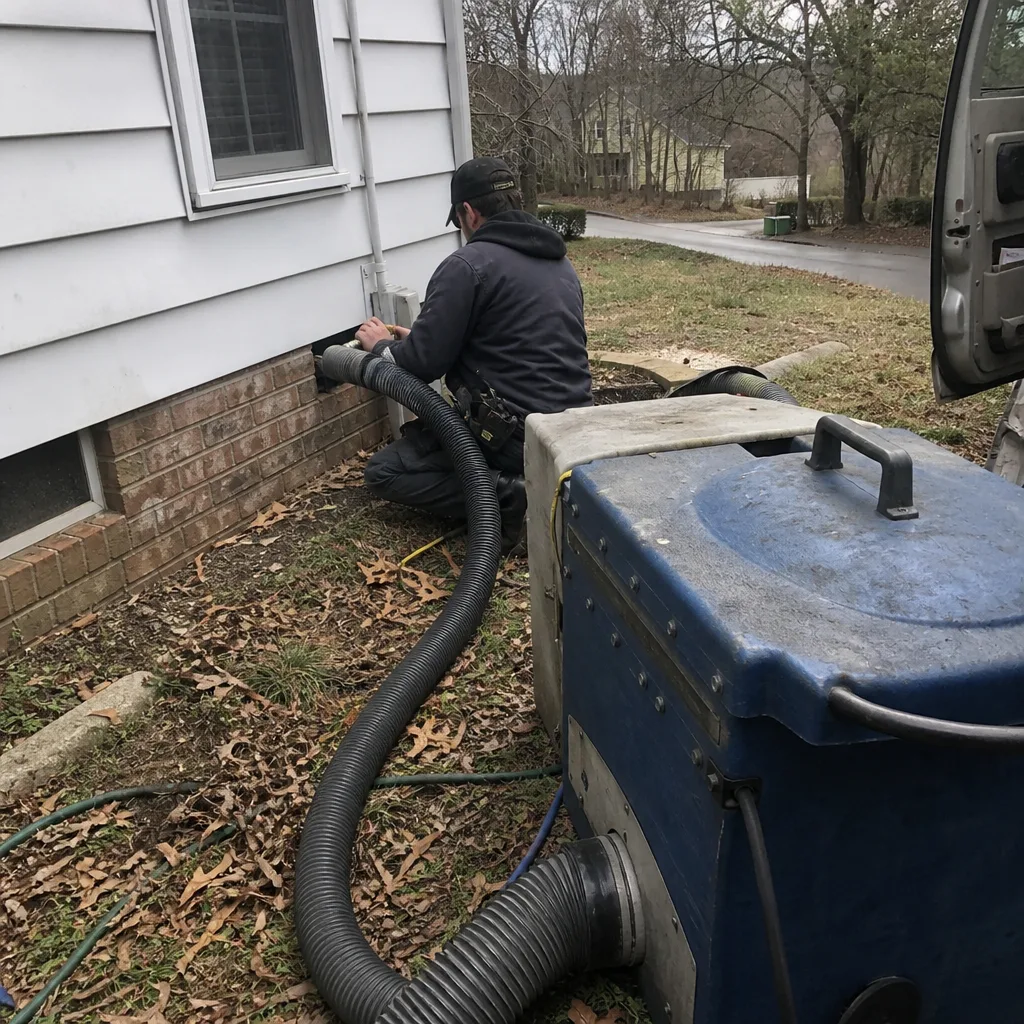 Before
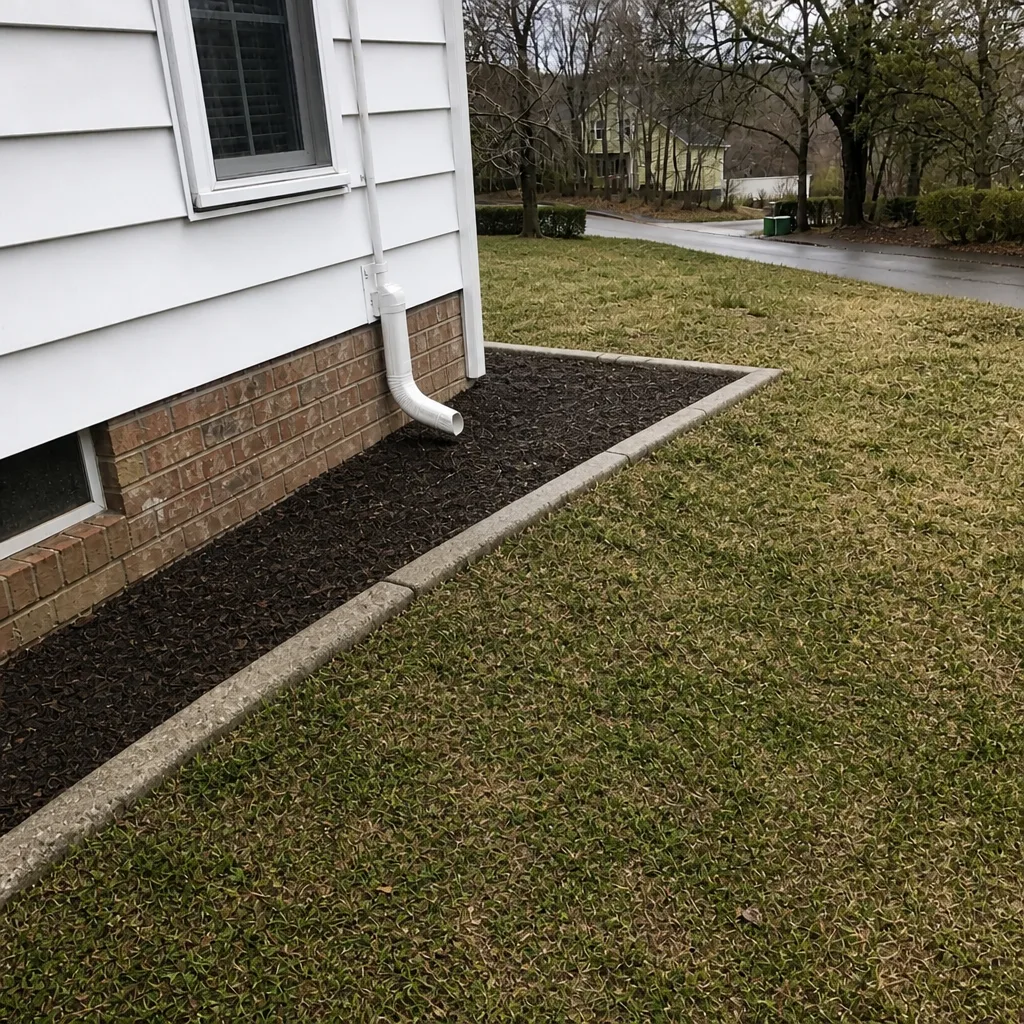 After
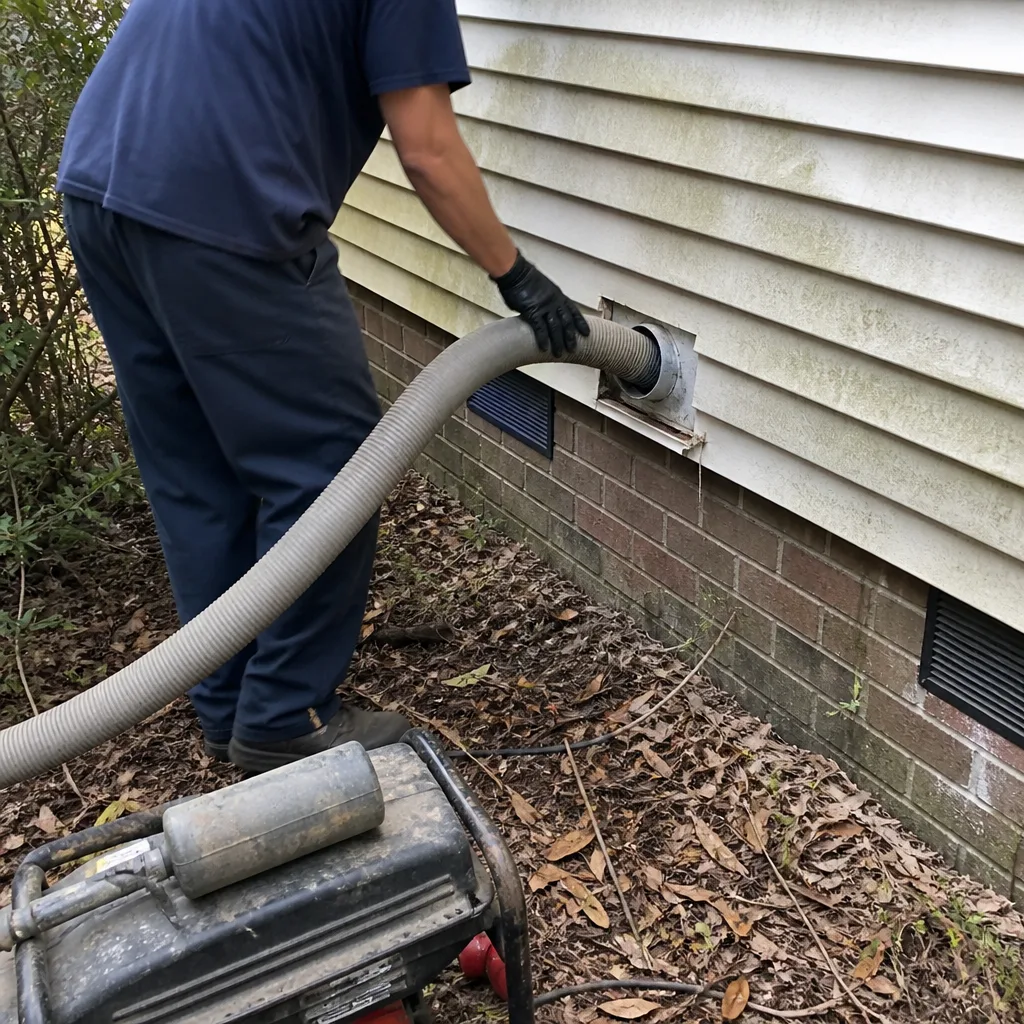 Before
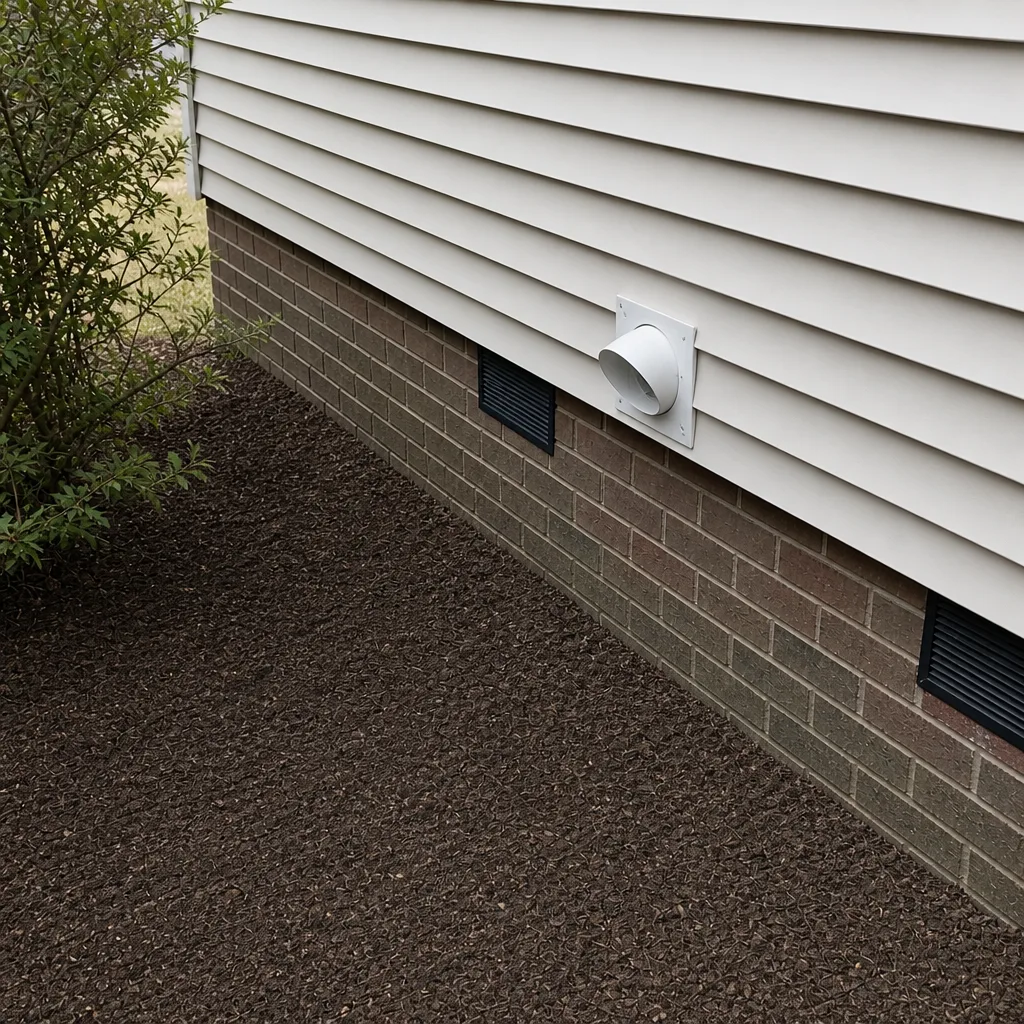 After
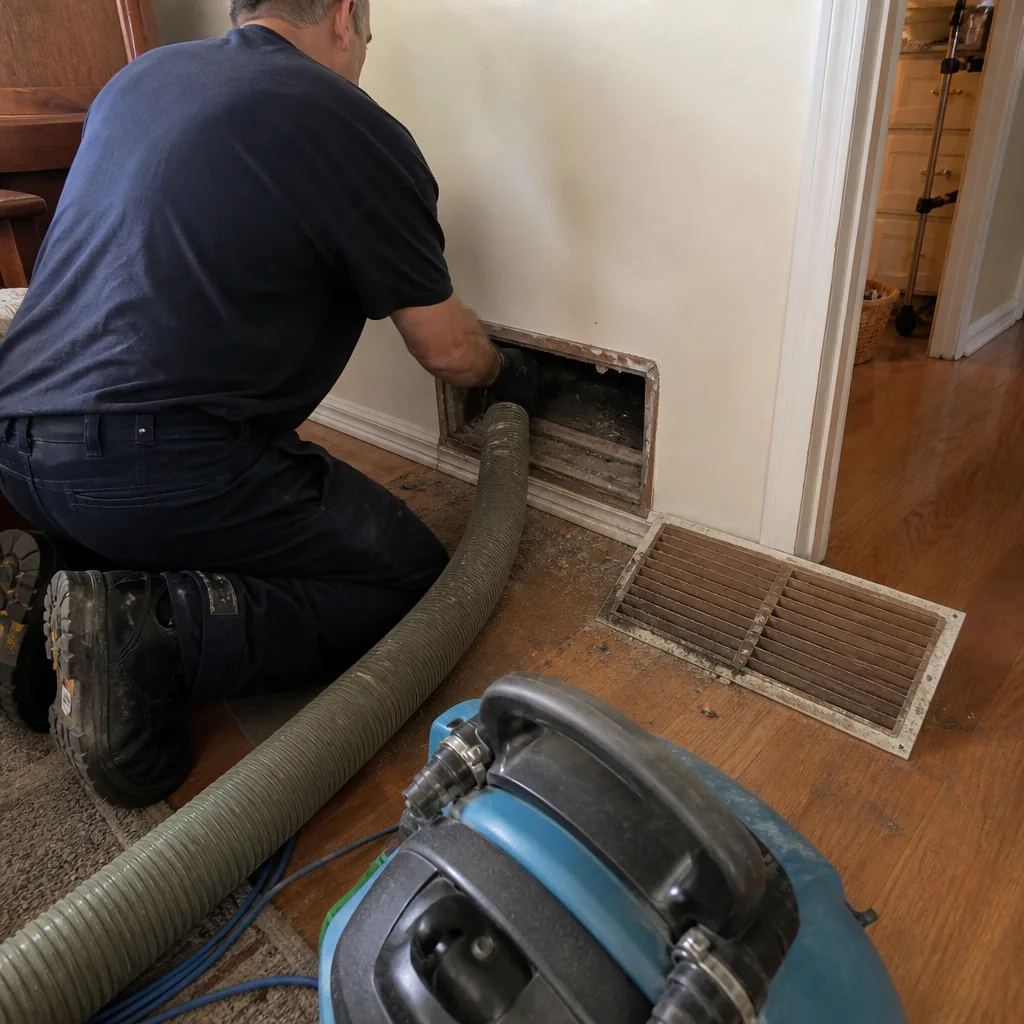 Before
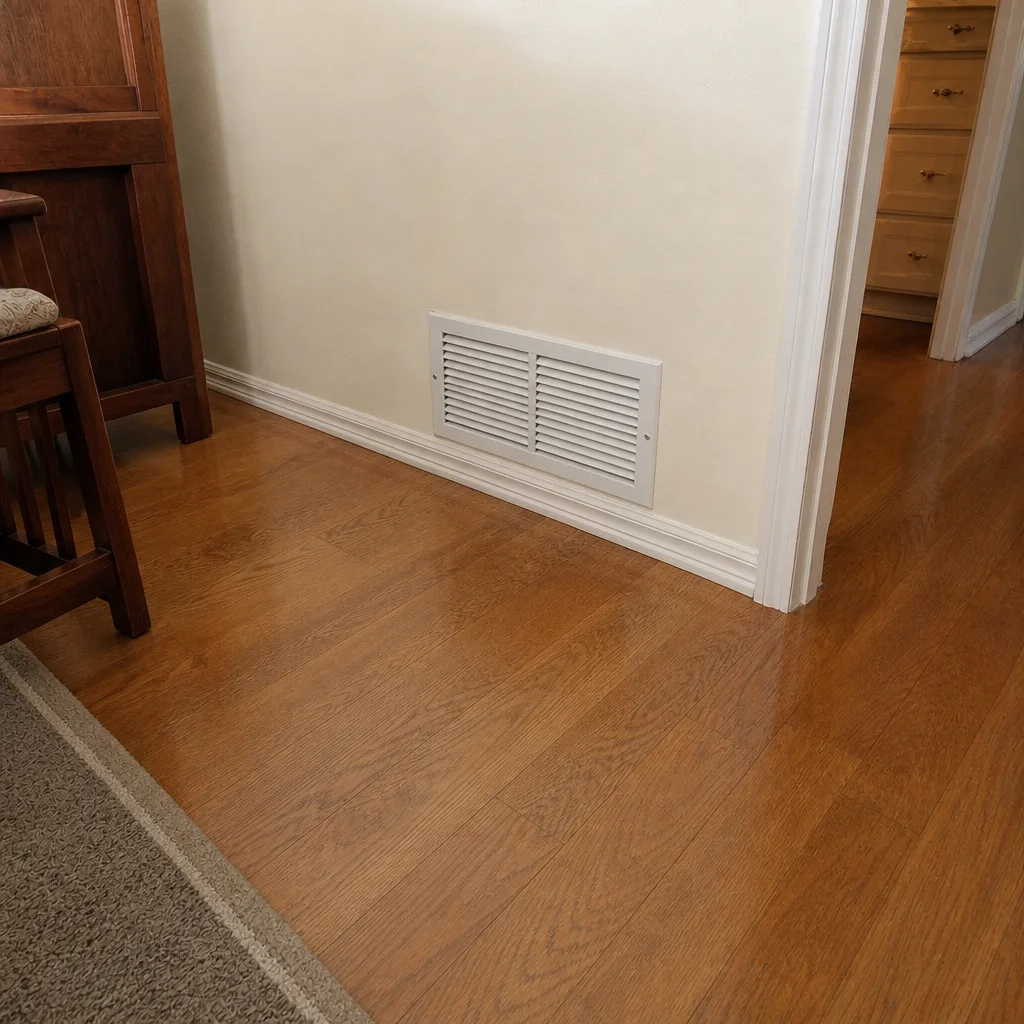 After
When to Call a Professional
Call a professional if any of the following applies: your system shows visible dust at the registers, a persistent musty odor, moisture or condensation at supply boots, a recent major renovation or storm, or a known leak or disconnect in the ductwork. If you have pets, a crawl space, or a wood-burning fireplace and it’s been over two years since your last cleaning, an inspection is due. If drying times on your dryer have lengthened, that’s a vent call, separate from the ducts. Wilmington Duct Cleaning offers free estimates in Wilmington. Call (855) 360-7068 and we’ll help you decide which tier you’re due for.
Frequently Asked Questions
In Wilmington, most homes should be inspected once a year and cleaned every two to three years. Homes with pets, recent renovations, crawl spaces, or wood-burning fireplaces usually need the shorter end of that range because humidity, storm-season debris, and longleaf pine pollen accelerate buildup here. The annual inspection is what tells you which tier you’re actually due for.
Yes. Wilmington averages around 57 inches of rain a year and frequently reaches high relative humidity, which drives moisture at supply boots and creates conditions for biological growth inside ductwork. Homes here land in the cleaning-plus-treatment tier more often than in drier climates. Keep indoor humidity under control and check registers for condensation each summer.
It documents conditions across the whole system, not one register. That means opening access at the air handler and at main supply and return runs, assessing debris type and location, checking for moisture and leaks, assessing the blower and coils, and providing before-and-after photos. Ask which access points will be opened and whether you’ll get documented photos before you book.
Often yes. Storm recovery and major renovation both introduce fine debris and grit that ordinary maintenance doesn’t address. In Wilmington, hurricane season makes the post-storm inspection a routine part of the calendar. If you’ve had recent work on the roof, exterior, or interior, a check is worth scheduling.
No. The dryer vent is a separate job on its own annual timetable. A clogged vent is a documented fire risk, so if drying times lengthen or it’s been over a year, have it inspected and cleaned. It belongs on the same annual calendar, but it’s a distinct service.
Clean-looking registers don’t prove the rest of the system is clean. Most contamination collects at the air handler and in the main runs, which a register glance won’t show. That’s why a documented inspection with multiple access points comes before any cleaning decision.
The Bottom Line
A national “clean every three to five years” number is a starting point, not a schedule built for Wilmington. With 57 inches of annual rain, heavy humidity, longleaf pine pollen, and a real storm season, most homes here do better with an annual inspection and a cleaning interval adjusted to pets, renovations, crawl spaces, and fireplaces. The three tiers (inspection, cleaning, cleaning-plus-treatment) are triggered by conditions an inspection finds, not by a date on the wall. Follow the seasonal checklist, keep the filter log, and let the professional inspection set the tier. For an assessment that accounts for your home and your equipment, call (855) 360-7068 for a free estimate.
For a fuller picture of what professional service includes and how we approach the whole system, see our air duct cleaning page. To understand how our team works in the region, visit Wilmington or the Wilmington Duct Cleaning home page. We answer 24/7, and fast dispatch runs 7am to 7pm.
Written by the team at Wilmington Duct Cleaning.