
Last updated November 15, 2026
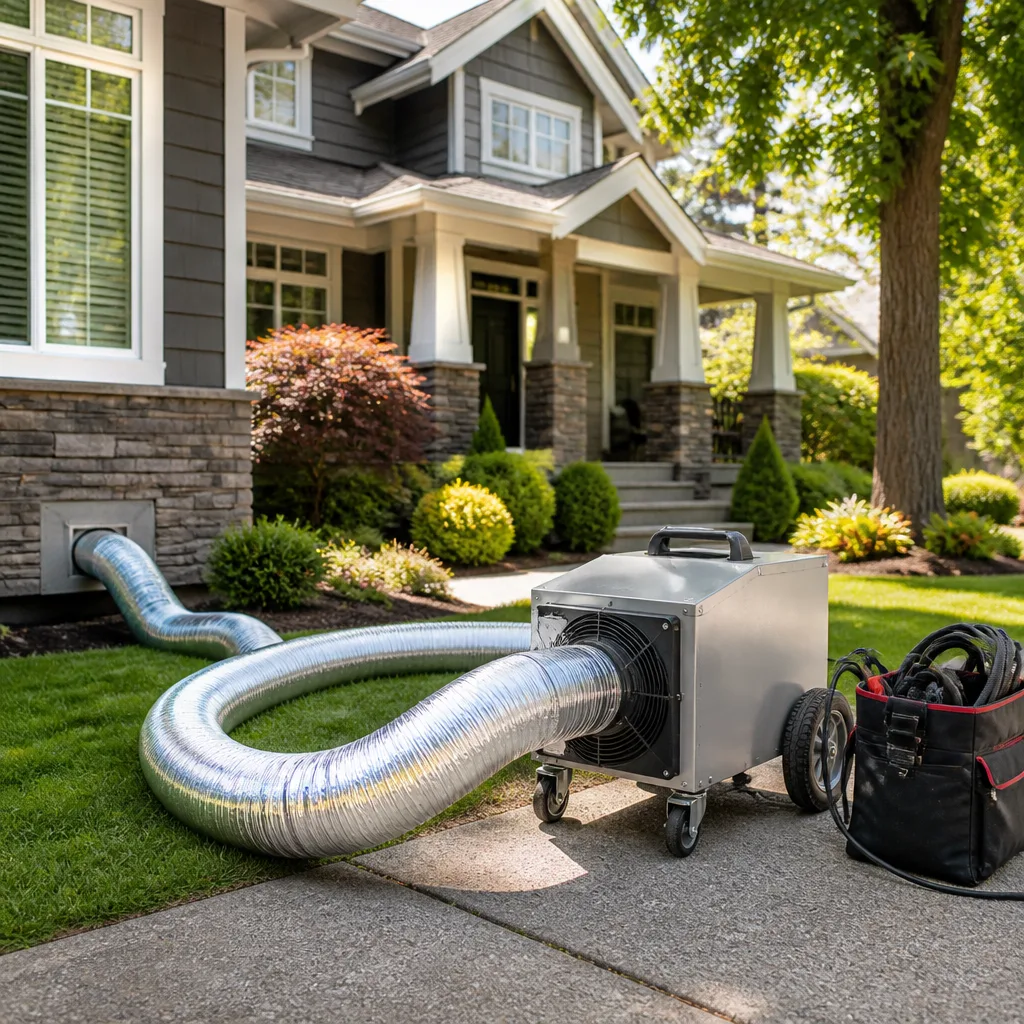 Whole-home duct cleaning
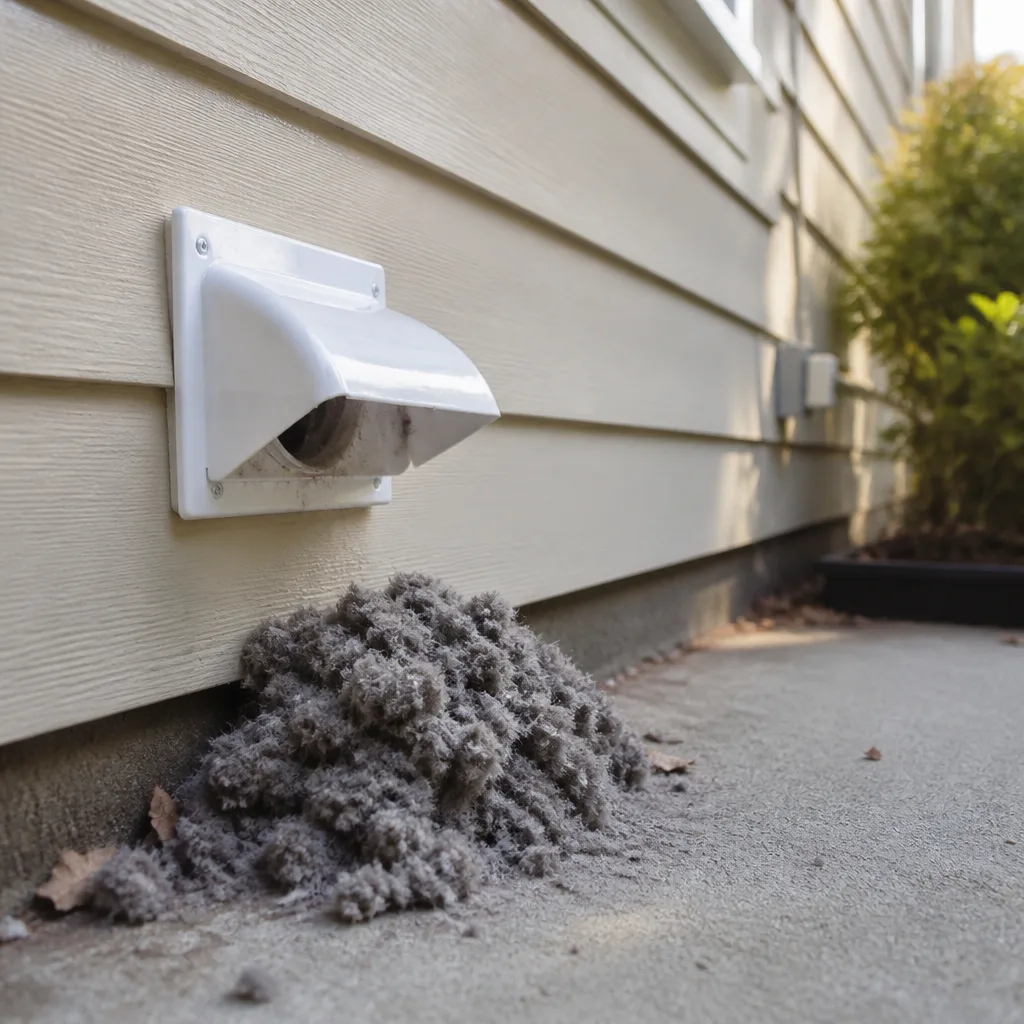 Dryer vent cleaning
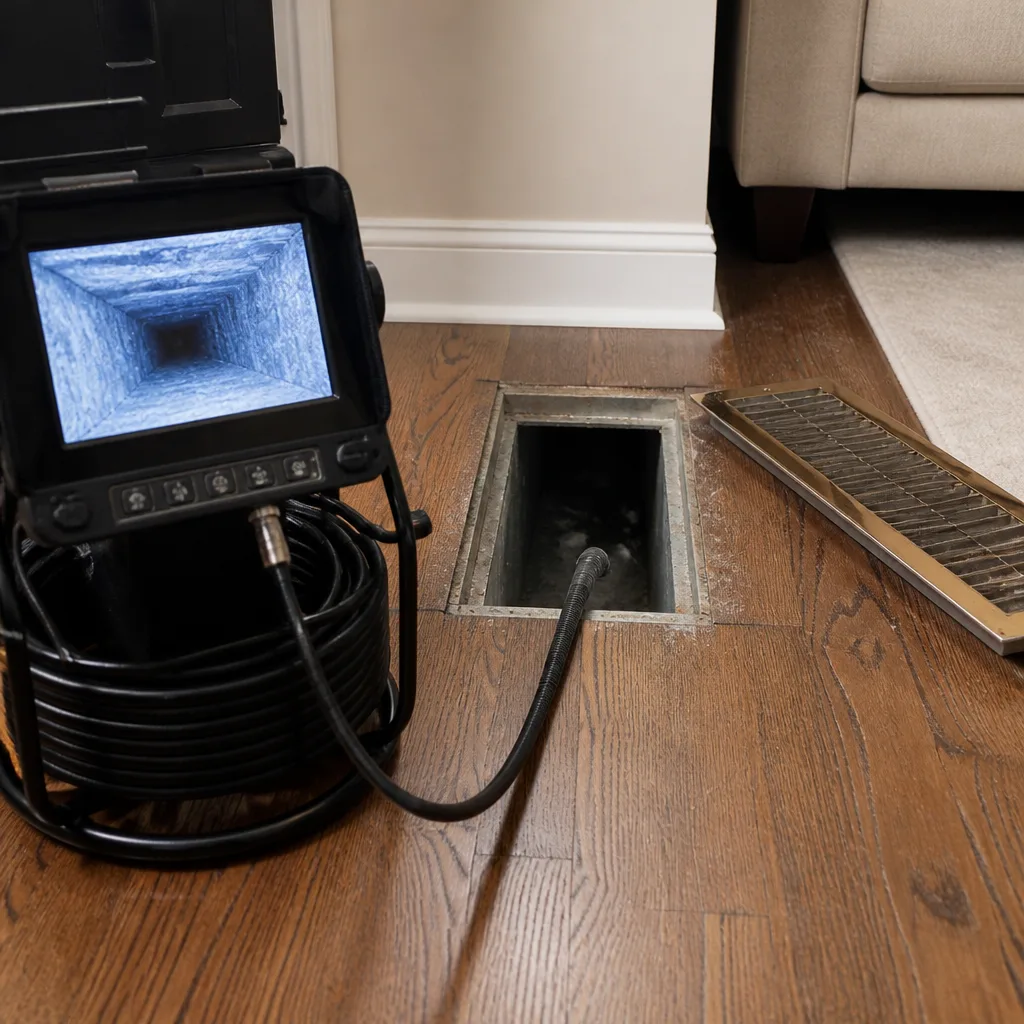 Camera inspection
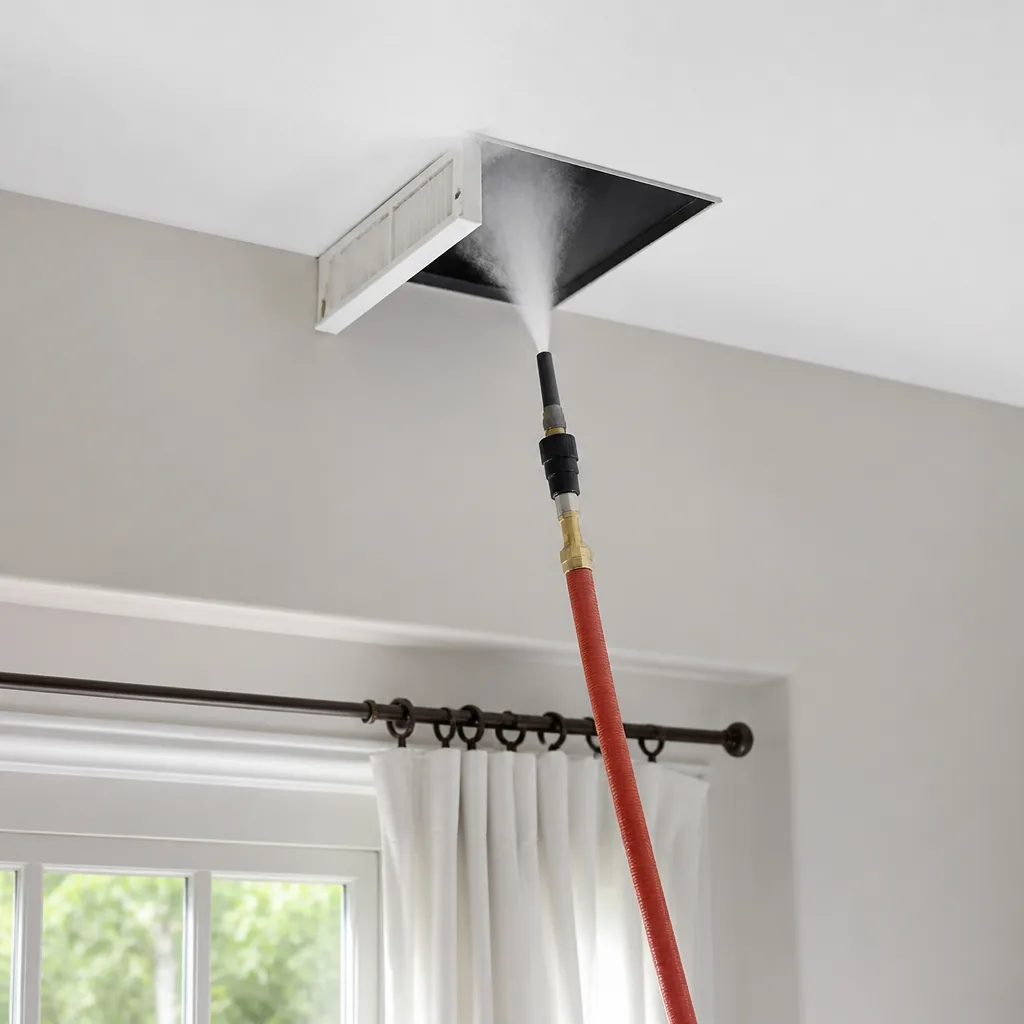 Sanitizing & deodorizing
Whole-system duct and dryer vent check with before-and-after photos - you see exactly what came out of your vents
That "$99 whole-house special" is a bait ad - the real number appears once they are in your hallway, or the "clean" is a shop-vac at the register. We photograph the inside of your ducts before and after instead.
Air Duct Cleaning Troubleshooting in Wilmington: Common Problems and How to Fix Them
If one room in your house is always 4 to 6 degrees hotter than the thermostat setting, the HVAC technician is probably about to sell you a refrigerant charge you don’t need. Weak airflow is rarely a refrigerant problem. It’s almost always a duct problem: a crushed run behind a cabinet, a disconnected boot, a filter-return that can’t breathe, or a plastic flex line sagging under ninety percent humidity. This guide teaches you to read those symptoms correctly before you spend a dollar, and it includes a simple smoke test you can run yourself. By the end you’ll know which problems you can fix, which need professional equipment, and which require Wilmington Duct Cleaning to diagnose in person.
Quick Answer
Most airflow and comfort complaints in Wilmington trace back to the duct system, not the air handler. Whistling means restricted return air, uneven room temperatures point to a crushed or kinked flex run, musty smells usually signal condensation wetting the interior insulation, and visible dust at registers means the supply side has been pulling debris since the last service. Start with a filter check and a smoke test; if those don’t isolate it, it’s time for professional air duct cleaning or repair.
Styles & brands we work with
- Whole-home duct cleaning
- Dryer vent cleaning
- Camera inspection
- Sanitizing & deodorizing
Table of Contents
- What Your Symptoms Actually Mean
- How Wilmington Humidity Wears Out Ducts
- The Incense Pressure Test
- What You Can Fix vs. What Needs Contractor Equipment
- The Triage Decision Tree
- Return Air Problems and Filter Choices
- The Dryer Vent Problem Homeowners Ignore
- Common Mistakes to Avoid
What Your Symptoms Actually Mean
Every comfort complaint maps to a physical cause. The trick is resisting the urge to blame the furnace or the compressor first. Duct-side diagnosis is cheap; HVAC-side diagnosis is not.
Here’s the symptom-to-cause table we use when a homeowner calls. Read it before booking anyone.
| Symptom | Most Likely Duct-Side Cause |
|---|---|
| Whistling at a register | Restricted return air, or undersized supply branch |
| One room 4 to 6 degrees off | Crushed, kinked, or sagging flex duct |
| Musty smell from vents | Wet interior duct insulation or microbial growth at a joint |
| Visible dust puffing from register | Accumulated debris on the supply side |
| Dust settling within days of cleaning the house | Leaking duct seams pulling from unconditioned space |
| Weak flow at far registers only | Trunk-line leak or a run that was never balanced |
| Condensation on the outside of the duct | Missing insulation or a cold-duct vapor barrier failure |
Notice what isn’t on that list: a low refrigerant charge, a failing capacitor, or a dirty blower wheel. Those are real problems, but they show up differently. A refrigerant issue makes the whole house warm. A duct issue makes one part of the house warm. That distinction alone saves a lot of unnecessary invoices.
One more thing worth knowing. Metal ducts in older Wilmington homes, particularly the post-war neighborhoods where trunk-and-branch systems were installed with rigid galvanized sheet metal, tend to fail at the seams. Flex duct, which dominates newer subdivisions, fails at the connections and at the sag points. The symptom will tell you which generation of ductwork you’re dealing with, and that changes what repair looks like.
How Wilmington Humidity Wears Out Ducts
Wilmington’s summer dewpoints sit in the mid-70s for weeks at a stretch. Your duct system moves 55-degree air through spaces that are sometimes 130 degrees or more. When that much cold moving air meets that much moisture in an unconditioned attic, condensation forms. And condensation inside a duct system is where the expensive damage starts.
Three failure modes show up again and again in our city:
- Microbial growth at flex duct joints. The inner liner of flex duct is usually supported by the aluminum helix. When the connection isn’t taped properly or the zip tie isn’t compressed enough, cool air leaks and moisture accumulates at the joint. Once a joint stays wet, growth starts. That’s the source of the musty smell.
- Liner delamination. The interior insulation lining on uninsulated or under-insulated metal ducts slowly peels away after years of temperature cycling. The liner blocks airflow, and the spray adhesive used to hold it can dry out and flake. A torn liner also collects dust the way a sponge collects water.
- Interior condensation during humid summers. If a duct run passes through a humid crawlspace and the vapor barrier is compromised, you get condensation on the inside of the duct. That water is a feeding ground for whatever spores were already traveling through the airstream.
The takeaway is that in Wilmington, duct replacement decisions hinge more on the vapor barrier and the insulation R-value than they do on visible dust. A duct can look clean at the register and still be soaked on the inside. You can’t see it. A camera inspection can.
We bring Abatement Technologies negative-air containment to humid-zone jobs specifically because we don’t want to release dormant spores into the living space when we disturb a wet liner. That’s not marketing, it’s the reason we don’t send a shop-vac crew to a musty-smell call.
The Incense Pressure Test: Read Your Own Ductwork
This is the cheapest diagnostic in this guide. You need a stick of incense, a lighter, and fifteen minutes. The goal is to see how air moves at each return and supply and whether joints leak.
- Turn the system to fan-only mode. No heat, no cooling. Just the blower running.
- Light the incense and hold it six inches from the face of the return grille. Watch whether the smoke gets pulled straight in, wavers, or gets pushed back toward you.
- Move to each supply register in the house. Hold the incense six inches away. A strong register pulls smoke into the airstream cleanly. A weak one lets it drift.
- Walk to the register in the room that’s always too hot. Compare its smoke draw to the register in the room that’s always comfortable. That difference is your pressure problem in physical form.
- If you can access the duct chase or attic, run the incense along the seam of a trunk line. Smoke drawn into a seam means that seam is leaking and pulling attic air.
What to do with the result: a strong return with weak supplies points to a supply-side restriction or a trunk leak. A weak return with decent supplies points to a filter or return grille problem. Smoke drawn into a seam anywhere means you have duct leakage and you should stop looking at the air handler.
Note this test tells you the shape of the problem, not the size. Leakage gets measured with a duct blaster and a pressure gauge at the plenum. That’s contractor territory. But you’ll walk into the appointment knowing the problem isn’t refrigerant, and that alone usually ends the upcharge conversation before it starts.
If you do decide to bring someone in, calling with the smoke test result in hand is the fastest way to get an accurate estimate. Wilmington homeowners who can describe exactly which register is weak and whether the return is pulling properly get a first-visit diagnosis far more often than homeowners who call and say “the air feels weak.”
What You Can Fix vs. What Needs Contractor Equipment
Be honest with yourself about the line between the two lists. Homeowners who overestimate their scope waste a weekend or, worse, damage a duct run they can’t see. Here’s the honest divide.
Homeowner-addressable problems
- Clogged return filter. The single most common cause of weak airflow in Wilmington homes. Check the filter first, always.
- Disconnected or misaligned register boot. If a floor or wall grille is visibly separated from its duct, you can often re-seat it and tape it with foil tape.
- Closed or blocked registers. Someone closed a damper in an unused room, or a return is blocked by a rug or a piece of furniture.
- Accessible flexible duct kinks. A short piece of flex run in an open attic that’s visibly bent back on itself can sometimes be straightened. Be careful: damaging the vapor barrier during the fix creates the next problem.
- Exterior vent flap that doesn’t seal. A cracked or stuck wall cap lets humid attic air back into the duct. Replacing the cap is straightforward.
Problems that require contractor-grade equipment
- Interior duct contamination. A shop-vac attachment has neither the suction nor the containment to clean a duct system properly. You need real negative-pressure tooling for that.
- Torn or delaminated interior liner. This can’t be patched from the outside. It’s diagnosed with a camera and resolved with cleaning plus interior sealing or replacement.
- Multiple trunk-line leaks. Leak sealing is a proper pressure and containment job, not a foil tape job.
- Microbial growth inside the duct. You need containment, HEPA-rated capture, and a cleanliness verification after the work. A hardware-store spray can isn’t that.
- Collapsed or disconnected runs behind drywall. Not something to dig into on a weekend.
The equipment we bring to your home includes a Rotobrush rotary brush system for the interior surface of the duct, a Nikro HEPA-rated vacuum for capture, and Abatement Technologies negative-air machines for containment. Homeowner-addressable problems are usually solved with a ladder and some tape. Everything else, we’d rather do for you and show you the photos when we’re done.
The Triage Decision Tree: Clean, Seal, or Replace?
Homeowners get pushed toward cleaning when the actual solution is sealing, and pushed toward replacement when a cleaning would fix it. Here’s the flow we actually use.
- Is the duct interior contaminated but structurally sound? (Visible debris, musty smell, dust concentration, but no liner tears and no visible kinks.) → Clean.
- Is the duct structure sound but leaking at seams, joints, or connections? (Incense test shows smoke drawn into a seam; returns pulling attic air.) → Seal. In many cases, clean and seal on the same visit.
- Is the interior liner torn, delaminated, or showing wet insulation that won’t dry? → Replace the affected segment. Cleaning a torn liner removes what’s on the surface but the liner keeps peeling and re-contaminating.
- Is the duct run crushed, disconnected behind a wall, or sagging badly enough to block flow? → Repair or replace that run. This is also where the uncomfortable room usually is.
- Is the entire system over 20 years old, undersized for the air handler, and showing multiple issues at once? → Conversation about full replacement. Not the same as the above; the first four are usually fixes, this one is a project.
One detail that matters in Wilmington specifically: because of the humidity load, a duct seal job in this climate needs proper vapor barrier restoration. Sealing a joint with mastic and leaving a vapor barrier gap is temporary. Moisture finds the gap, the mastic loses adhesion, and you’re back where you started within two summers. Whether the seal job is done right depends on whether the contractor addresses the vapor barrier honestly.
A homeowner who walks a contractor through these five questions gets a much better proposal than a homeowner who leaves it up to the contractor to curate. Ask which category your system falls in.
Return Air Problems and Filter Choices
Compressed return air is the silent killer of comfort in Wilmington homes. Here’s how to spot it.
A properly sized return pulls air evenly across its full face. An undersized return pulls hard at the edges and creates a whistling sound at the grille. The blower then spends more of its capacity fighting for air, which lowers the supply airflow to every register on the system. That’s how a single too-small return can make three rooms hotter than they should be.
Filter choice makes it worse or better. Higher MERV ratings capture more particles but create more resistance. A 16-MERV filter on a system that was designed for 8-MERV will, in many setups, drop supply airflow enough to mimic a duct problem. The furnace runs fine, the compressor runs fine, and the house is still uncomfortable.
Practical guidance:
- Match the filter MERV to what the system was designed around. If the original spec isn’t visible, ask the contractor. Don’t assume higher is better.
- Change the filter on the interval your system calls for, not once a year out of habit. Wilmington’s pollen season loads a filter fast; check it monthly through spring.
- If you’re running a Honeywell or Aprilaire media filter cabinet, use the correct replacement media. Generic substitutes with the wrong pressure drop can cause the same airflow problem the cabinet was designed to avoid.
- Never run the system with no filter at all to “improve airflow.” You’ll coat the evaporator coil in dust and the next repair is far more expensive than the filter you saved.
A house with an undersized return is a candidate for a return upgrade, which is a genuine duct repair project. A house with a properly sized return is a candidate for a filter tune-up and a cleaning. Knowing which one you have is the point of the smoke test above: a strong pull at the return grille face with weak supply means the return isn’t the culprit. A weak pull with whistling means it is.
The Dryer Vent Problem Homeowners Ignore
Air duct problems get all the attention; dryer vent problems cause fires. The National Fire Protection Association consistently lists failure to clean the dryer vent as a leading contributor to residential dryer fires. That’s why we treat dryer vent cleaning as a standalone service and not an add-on.
The symptom set is easy to miss because it overlaps with ordinary laundry nuisance:
- Clothes take a second cycle to dry
- The dryer cabinet feels unusually hot to the touch
- The outside vent flap doesn’t pop open during a cycle (or does, but weakly)
- A burning smell near the dryer, which is the point where you stop running it until the vent is cleaned
- Lint visible at the exterior wall cap
Wilmington’s humid air makes this worse in one specific way: lint that’s been pulled through a humid airstream clumps more densely than dry lint, and it packs the vent line faster. The flexible foil and semi-rigid duct runs behind a dryer are also prone to crushing against the wall, which slows airspeed and lets lint drop out of the airstream sooner.
If the exterior vent flap doesn’t move visibly when the dryer is running, stop running it and have the vent cleaned before the next cycle. The dryer cabinet temperature rises quickly once airflow drops. That’s the mechanism, and it doesn’t care how much the load cost to dry.
Common Mistakes to Avoid
- Blaming the HVAC first. A low refrigerant charge makes the whole house warm. A duct issue makes one room warm. Diagnose the comfort pattern before you open the diagnostic fee conversation.
- Replacing the filter with the highest MERV available. Higher MERV without checking pressure drop is one of the most common causes of “the air stopped blowing” in newer Wilmington homes. The filter is now the restriction.
- Covering vents in unused rooms. Closing registers increases static pressure in the system and causes leaks at joints that were fine before. If you want to close a room off seasonally, that’s what balancing dampers are for; ask a contractor which zone to moderate.
- Hiring a coupon-driven duct cleaning with no containment. If the crew shows up with a portable shop-vac and no negative-air machine, walk away. The cleaning will stir up the same contamination that was already in the duct and leave it in the air.
- Cleaning without verifying. Any honest duct cleaning ends with before-and-after photos of the actual duct you paid to clean. If the crew can’t produce them, you can’t know the work happened.
- Ignoring wet interior insulation in the attic. A stained piece of duct insulation in a Wilmington attic during summer is a live biological reservoir. It’s not just a stain. It’s the source of the smell you’ve been chasing for a year.
- Treating the dryer vent like a comfort item. Dryer vent cleaning isn’t a “nice to have.” It’s the fire-safety item in this whole article, and treating it as a duct cleaning add-on is the mistake.
See the difference
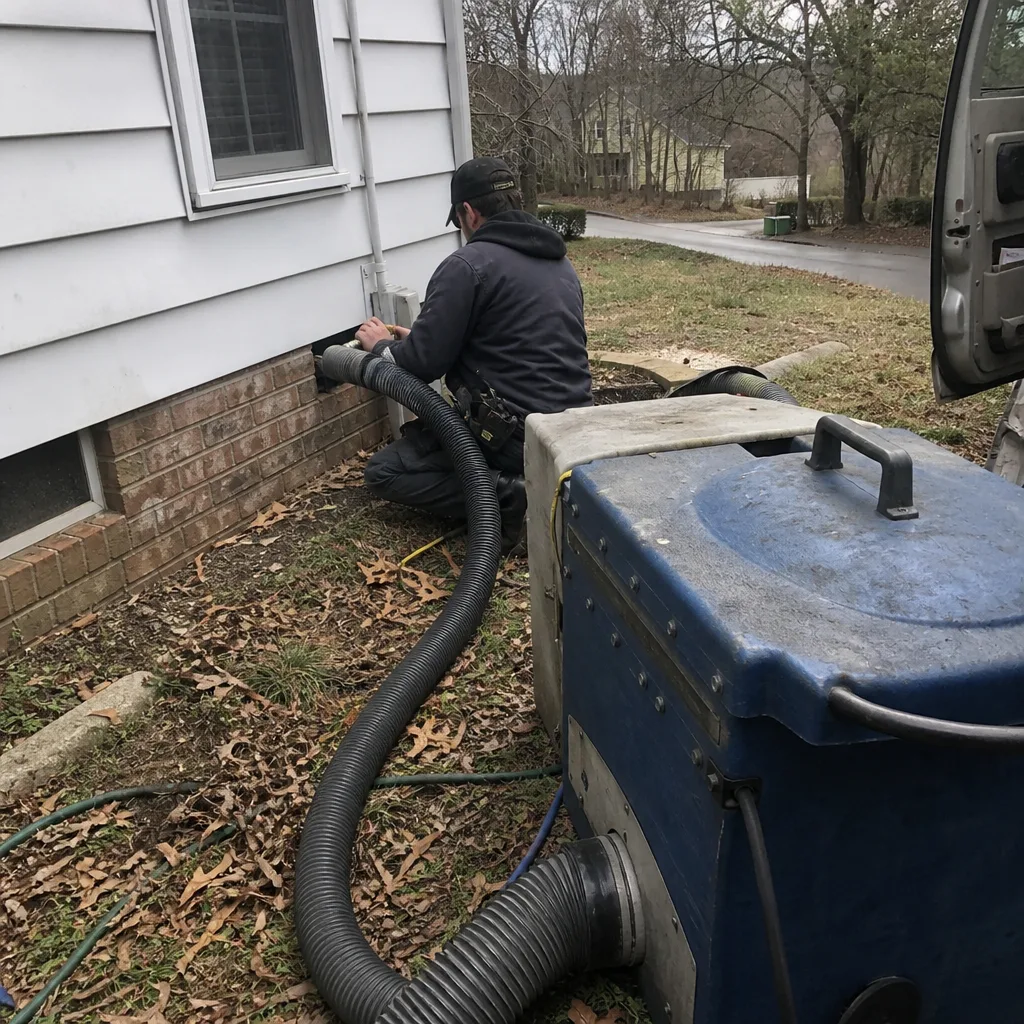 Before
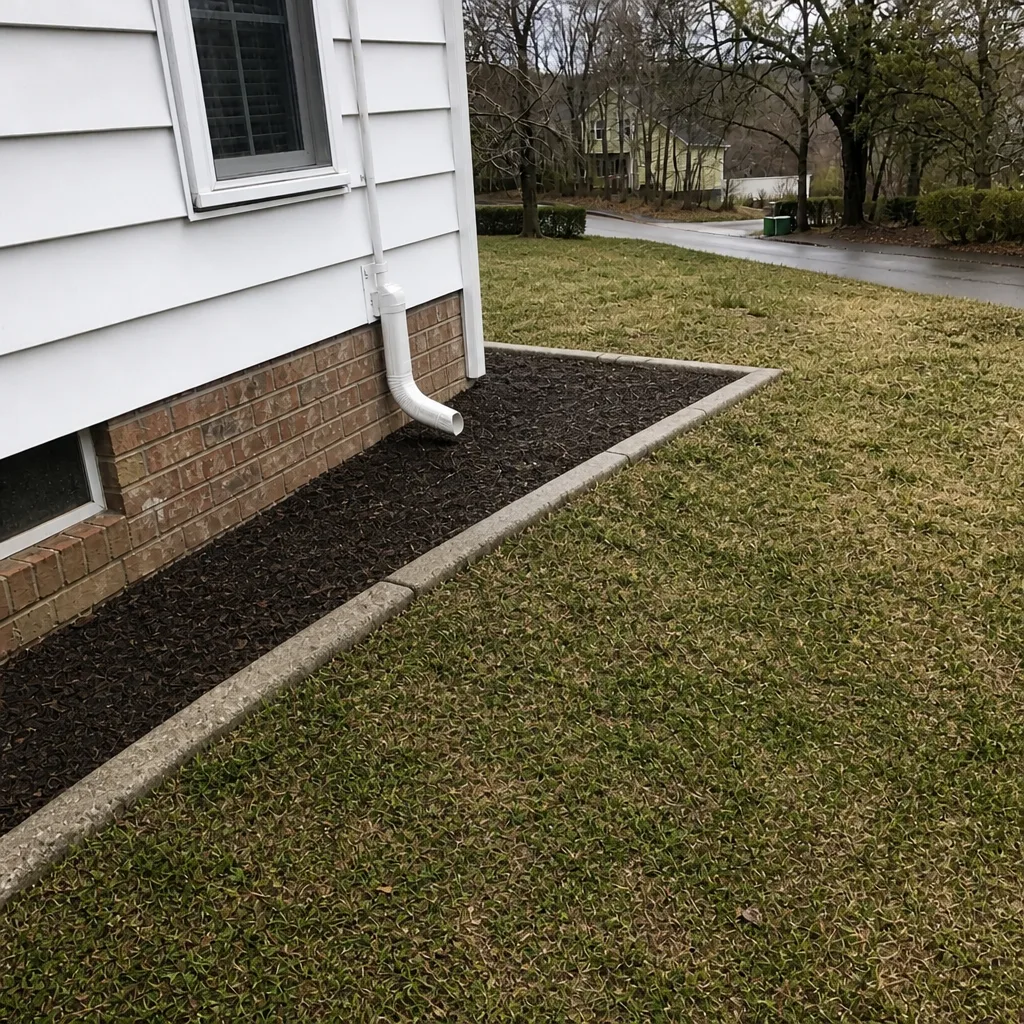 After
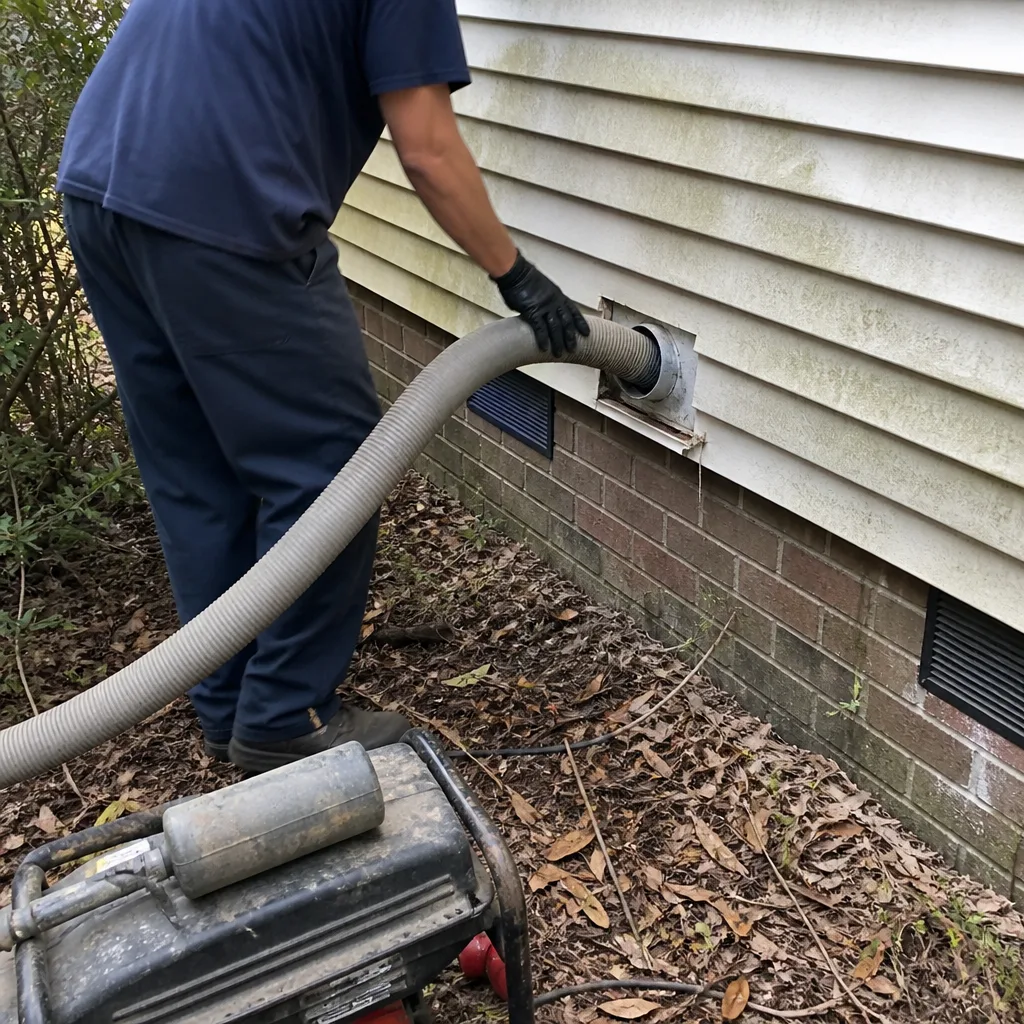 Before
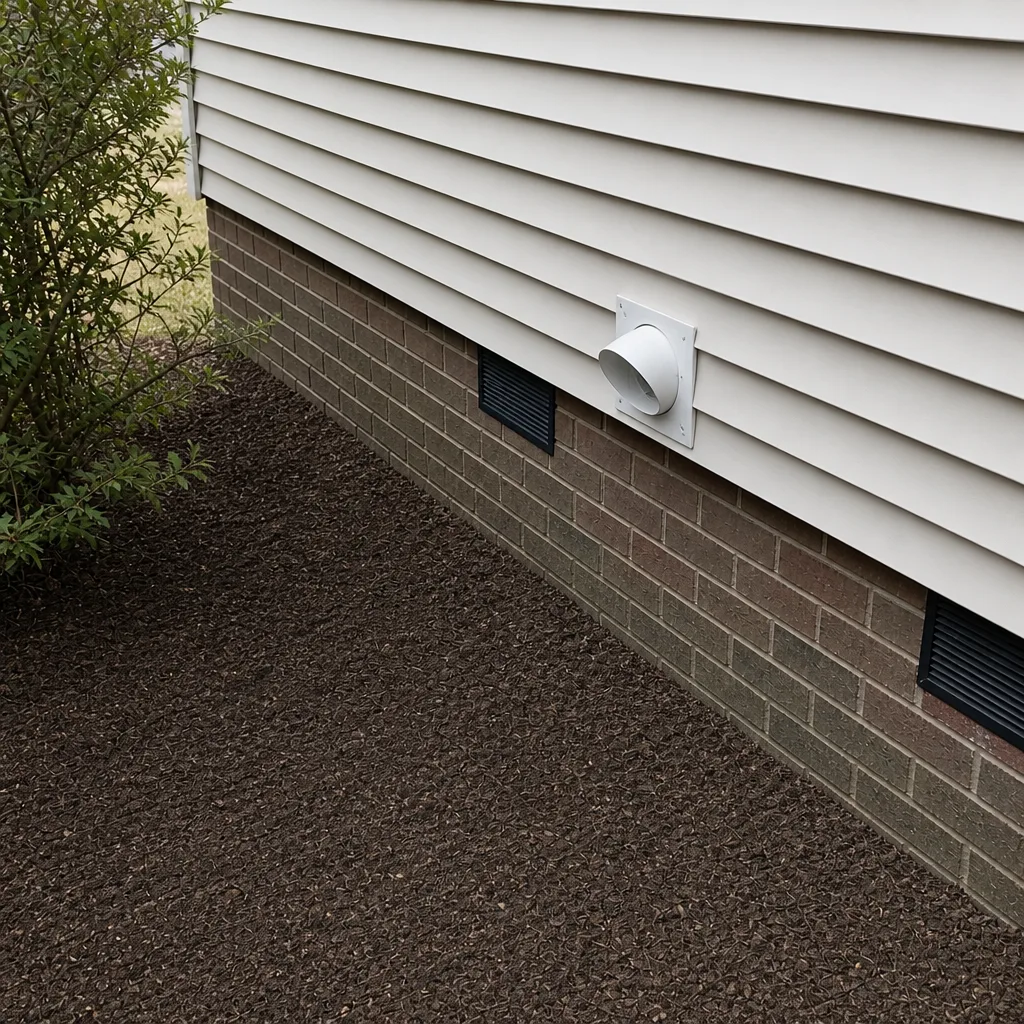 After
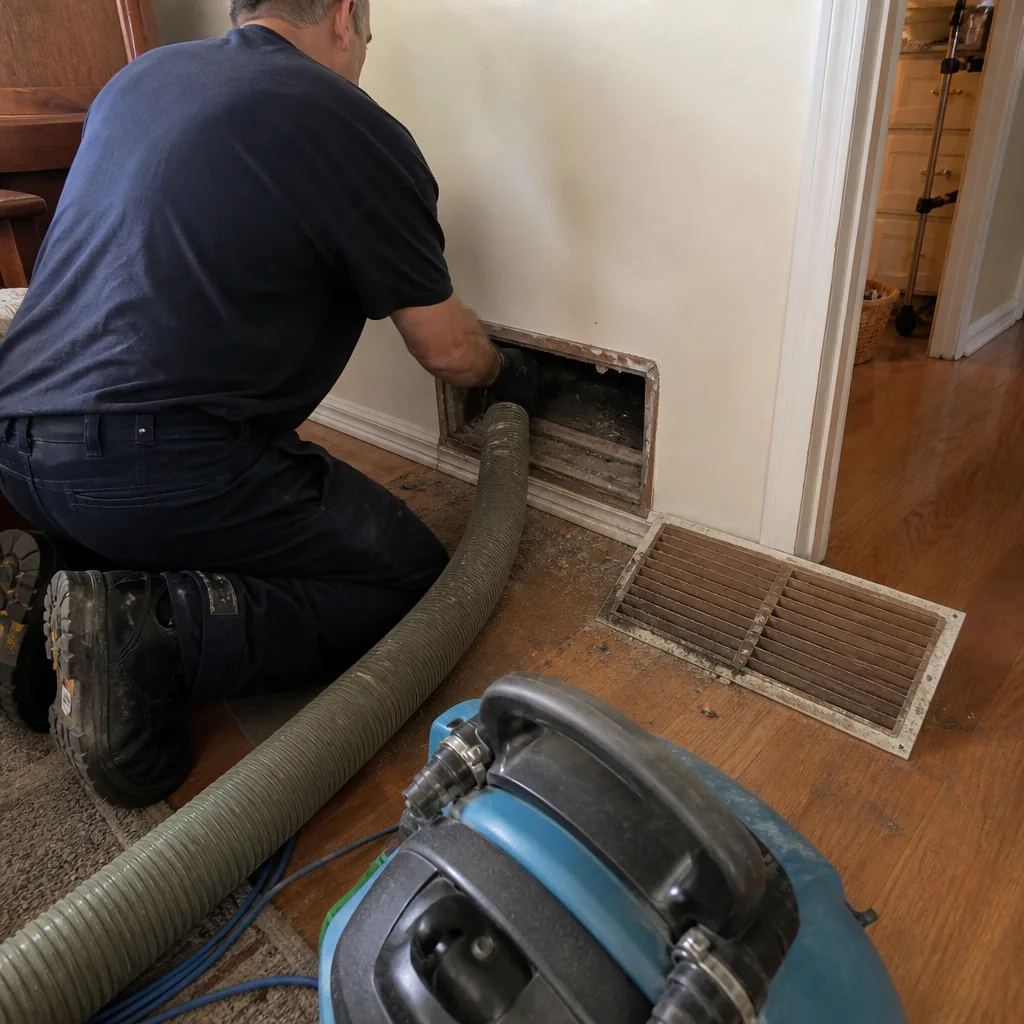 Before
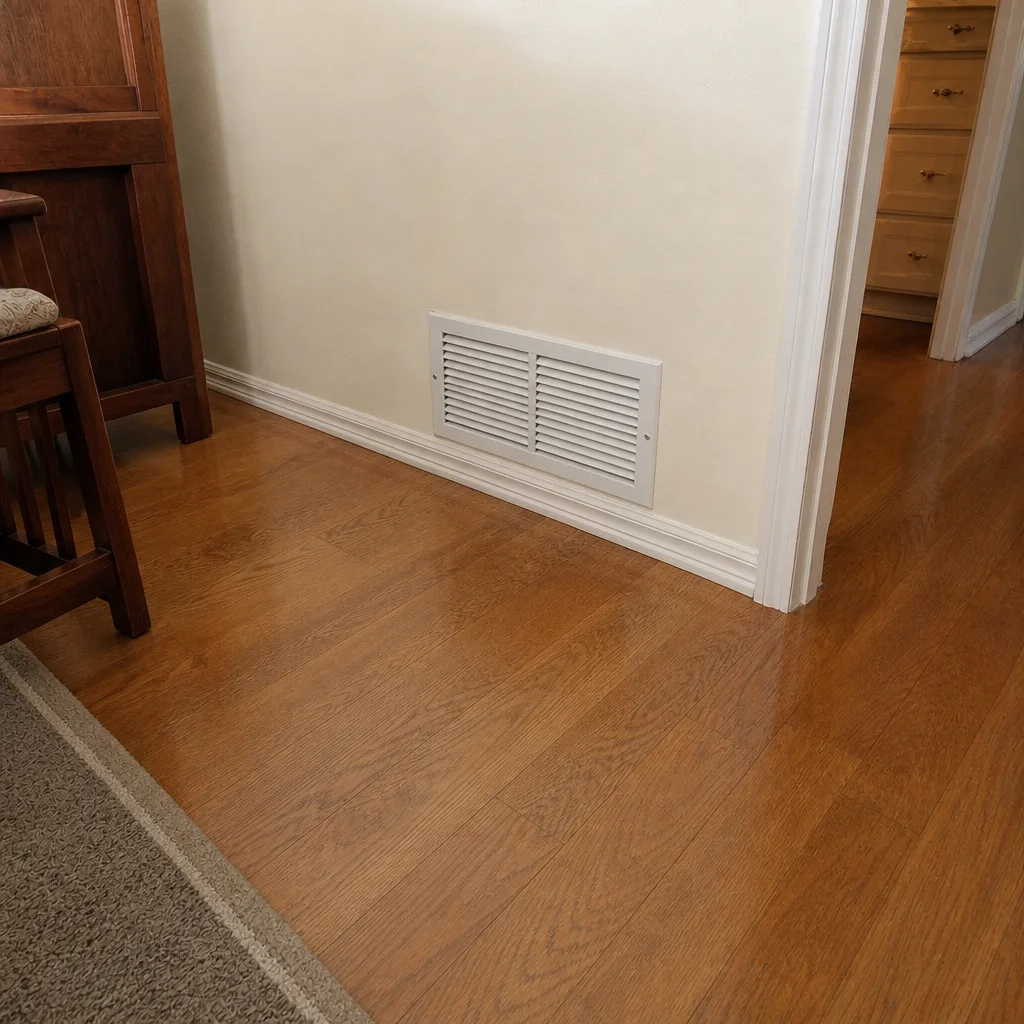 After
When to Call a Professional
Bring in a professional if any of these apply: the incense test shows smoke pulled into a duct seam, the smell in the house is musty and gets stronger when the system runs, there’s visible debris accumulating in the registers within days of cleaning the house, one room stays 4 to 6 degrees off no matter what you do with the thermostat, the interior duct insulation is wet, the exterior dryer vent flap doesn’t move when the dryer runs, or you’ve simply inherited a system that’s never been cleaned and you don’t know its history.
Wilmington Duct Cleaning offers free estimates in Wilmington. We bring the Rotobrush and Nikro systems, the Abatement Technologies containment, and cameras to the estimate so you can see what we’re talking about before any work is scheduled. Call (855) 360-7068. We answer 24/7. Fast dispatch from 7am to 7pm, Sunday through Friday. Estimates are free and the written one sets the final price, so you’ll know what you’re agreeing to before anything starts.
Frequently Asked Questions
The comfort pattern is the tell. If the whole house is warm and the system can’t keep up, that’s typically an HVAC capacity or refrigerant issue. If one or two rooms are consistently 4 to 6 degrees warmer than the setpoint while the rest of the house is comfortable, that’s a duct-side issue: a crushed or disconnected run, an undersized return, or a leak that’s dropping supply airflow to those rooms. Run the incense test at the return and at both problem registers before you call anyone; the pattern usually resolves it in fifteen minutes. Call (855) 360-7068 if you want us to look at it.
Because the equipment and the process were the low bid, not the price. Real duct cleaning requires a rotary brush head that reaches the interior surface of the duct, a HEPA-rated vacuum for capture, and negative-air containment so the debris doesn’t release into your living space. A crew with a shop-vac and a coupon has none of those, and the work is done in less than an hour. Ask what equipment they’re using and whether you’ll get before-and-after photos of your own ducts. The answer tells you whether the quote is real.
Often yes, and it’s a specific one. Wilmington summers keep dewpoints in the mid-70s for weeks, and that moisture finds every weak point in a duct system. A flex joint taped carelessly, an unsealed trunk seam, or a compressed piece of insulation around a run in the attic all become wet surfaces once condensation starts. The smell is what grows there. A duct cleaning plus a proper look at the vapor barrier and joint sealing usually resolves it. If it doesn’t, the interior liner needs inspection.
There’s no fixed calendar answer for every home. The real triggers are visible debris accumulating at the registers, musty smell when the system runs, a recent remodel that generated dust, or a move into a house with unknown service history. Homes with pets, high pollen exposure through spring, or ongoing return-air issues need it more often. If you’re noticing dust settling within days of cleaning the house, that’s a sign the ducts are the source and the time is now, not in two years.
You ask for and get before-and-after photos of your own ducts. Not stock photos, not a website gallery, not “looks good in there.” Any professional crew using Rotobrush or Nikro equipment can shoot the before-and-after on a camera during the job. We do that by default, and we treat it as part of the deliverable. If a contractor can’t or won’t produce photos of your specific system, that’s a real signal you should take seriously. Call (855) 360-7068 for a free estimate.
Yes, and it’s more common than homeowners expect after a remodel or a DIY attic project. A disconnected boot or a run pulled off its trunk connection dumps supply air into an attic or wall cavity instead of into the room. The register feels weak, the room is hot, and nothing on the HVAC side is broken. The fix is a duct repair, not a refrigerant charge. We handle that as a standalone air duct cleaning and repair service, so you don’t need to find a second contractor once the problem is found.
The Bottom Line
Most comfort problems in Wilmington trace to the duct system, not the HVAC unit. Uneven room temperatures, whistling returns, musty smells, and dust concentrating at registers are duct-side symptoms, and each one maps to a specific cause. The incense test will tell you the shape of the problem in fifteen minutes, and the triage decision tree tells you whether you’re looking at a cleaning, a seal job, or a repair. Homeowner-addressable problems are worth solving yourself. Wet liner, torn insulation, trunk-line leaks, and dryer vent blockage are not.
If your troubleshooting lands on the “call a professional” list, we’d like to hear what you found. Wilmington Duct Cleaning brings real equipment to the estimate, not a ladder and a pressure gauge. Call (855) 360-7068 for a free estimate. We answer 24/7. Fast dispatch from 7am to 7pm, Sunday through Friday.
Written by the team at Wilmington Duct Cleaning.