
Last updated November 15, 2026
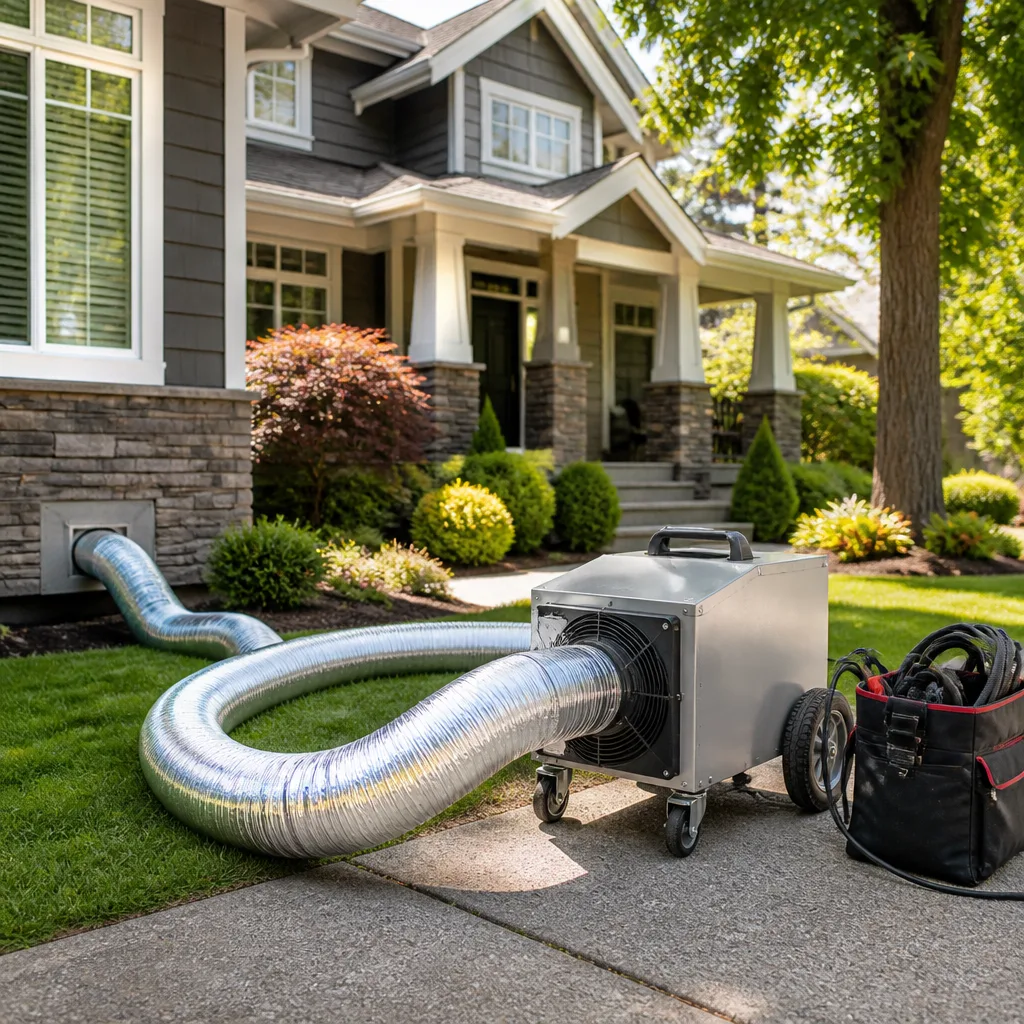 Whole-home duct cleaning
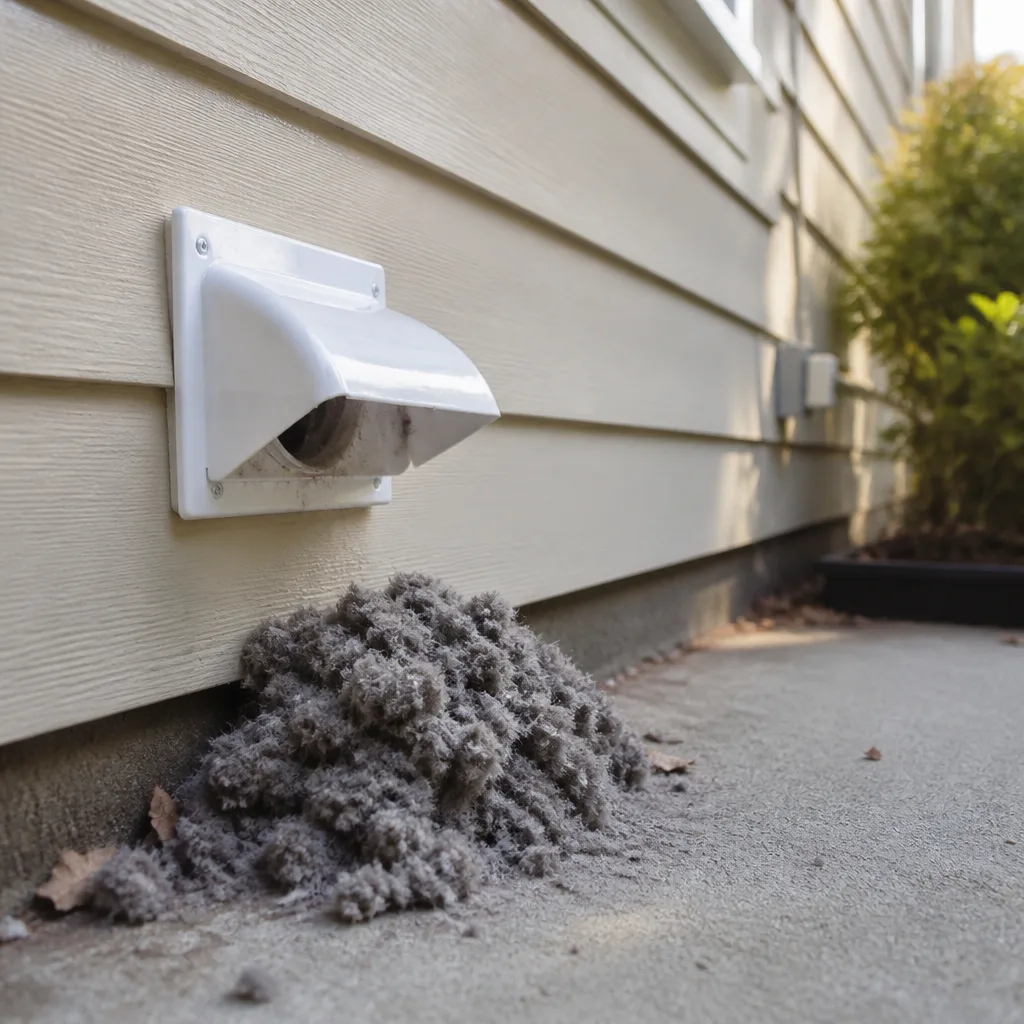 Dryer vent cleaning
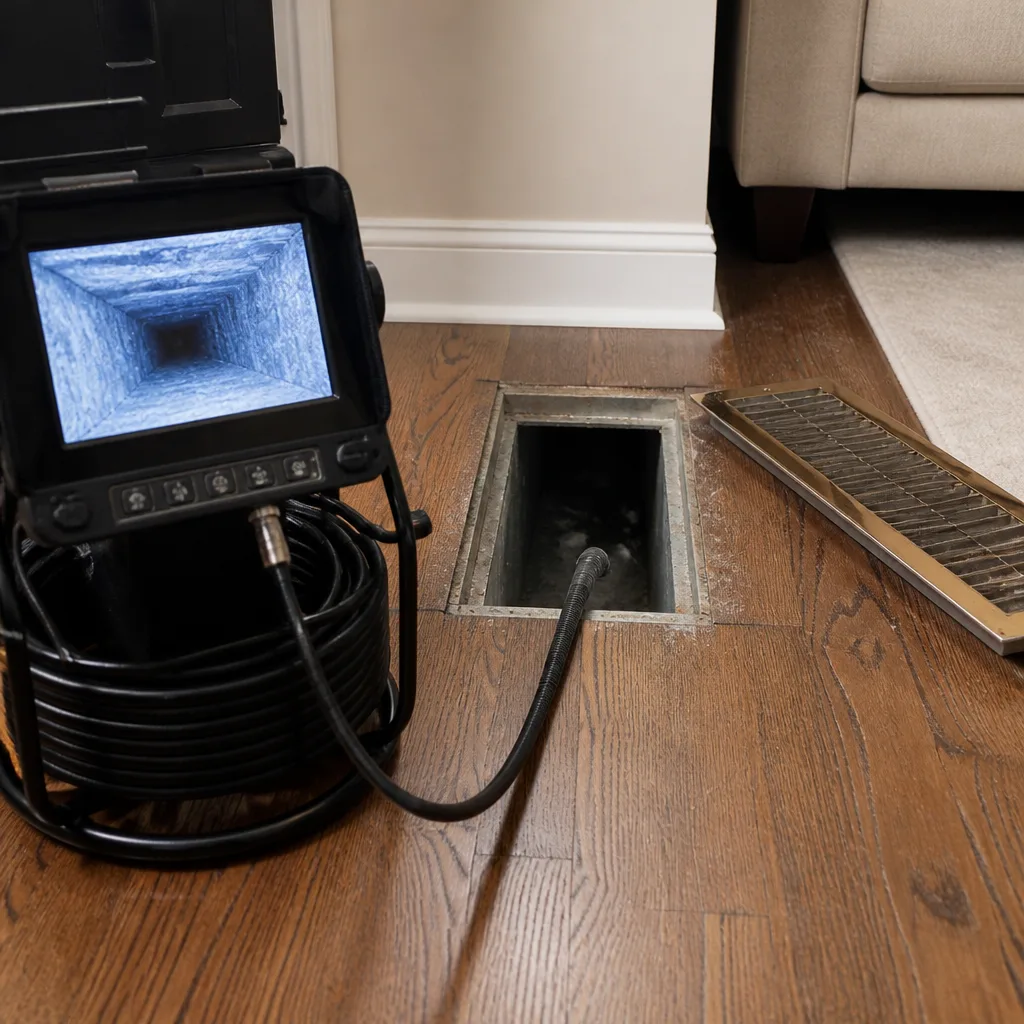 Camera inspection
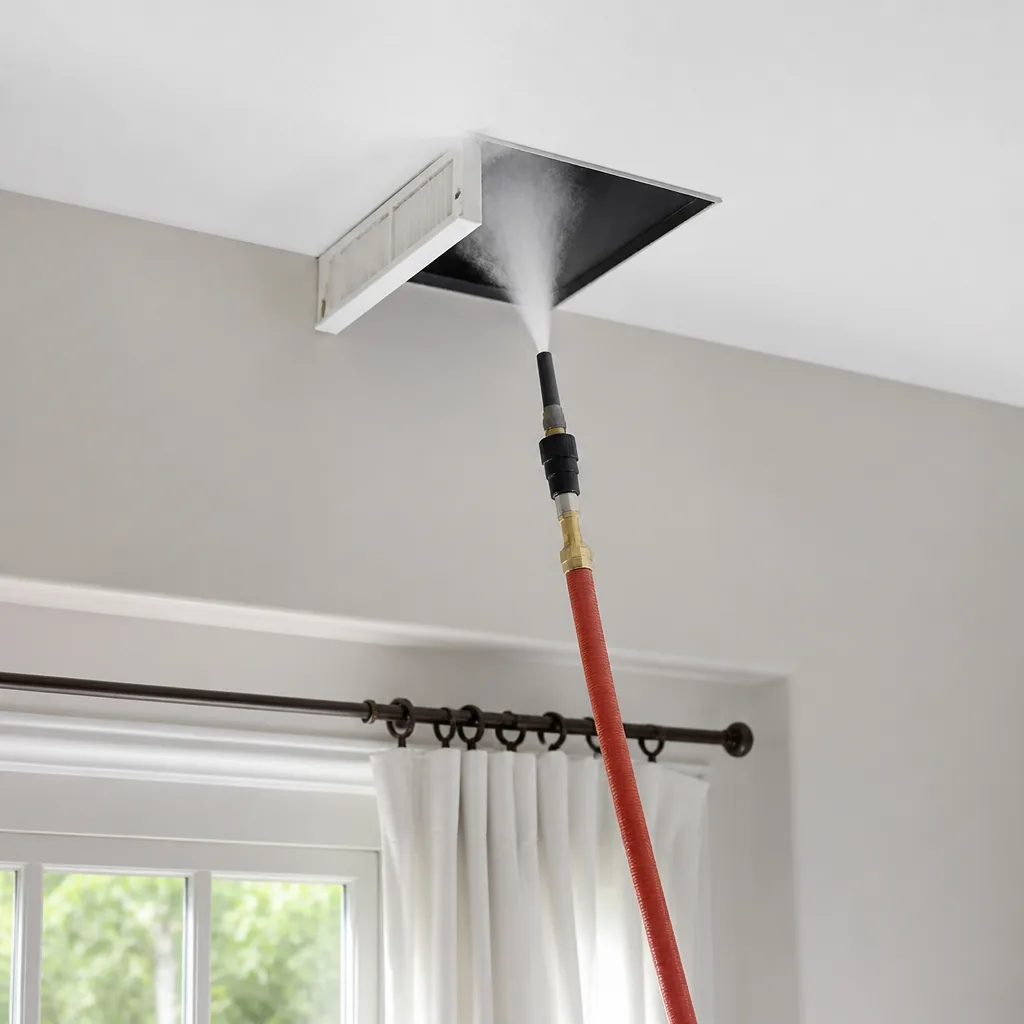 Sanitizing & deodorizing
Whole-system duct and dryer vent check with before-and-after photos - you see exactly what came out of your vents
That "$99 whole-house special" is a bait ad - the real number appears once they are in your hallway, or the "clean" is a shop-vac at the register. We photograph the inside of your ducts before and after instead.
Seasonal Air Duct Cleaning Care for Wilmington: Year-Round Homeowner’s Guide
Wilmington runs air conditioning eight months a year. Any seasonal duct guide that treats your home like a Connecticut colonial with equal heating and cooling seasons is giving you advice calibrated for the wrong climate entirely. Our region’s real pattern is a long cooling season, a mild winter with stubborn humidity, and two distinct pollen surges that don’t line up with the spring-and-fall cleaning advice you’ll find on most national sites. Treating March like a “shoulder month” is how homeowners miss the single best cleaning window of the year. This guide maps duct maintenance to what actually happens in Wilmington: when pollen loads peak, when the humidity ramps up, how a clogged condensate line affects your ducts over a long cooling season, and why a mild winter is a risk window rather than a recovery period. You’ll finish with a month-by-month plan you can actually follow.
Quick Answer
In Wilmington, the highest-priority window for duct cleaning is late March through April, before the long cooling season begins and while spring pollen is at its peak. Summer care centers on keeping the condensate drain clear so humidity doesn’t feed growth inside the ducts, winter calls for a check on biological growth rather than assuming the mild weather resets the system, and fall is the time to confirm return-side airflow before the brief heating season. A whole-system cleaning roughly every three to five years, timed to that spring window, fits most Wilmington homes.
Styles & brands we work with
- Whole-home duct cleaning
- Dryer vent cleaning
- Camera inspection
- Sanitizing & deodorizing
Table of Contents
- Why Wilmington’s Climate Breaks the Standard Seasonal Calendar
- The March-April Window: Highest-Priority Cleaning of the Year
- Summer: Condensate Drain Monitoring and the 90-Day Humidity Problem
- Post-Hurricane Protocol: When Cleaning Is Warranted and When It Isn’t
- Winter in Wilmington: A Risk Window, Not a Recovery Period
- Fall Transition: Return-Side Airflow Before the Heating Season
- Your Twelve-Month Duct Care Calendar
- Frequently Asked Questions
Why Wilmington’s Climate Breaks the Standard Seasonal Calendar
Most duct cleaning advice you’ll read online assumes four roughly equal seasons: a cold winter of heating, a warm summer of cooling, and two mild breaks between them. Wilmington doesn’t work that way. Our cooling season is long, our winter is mild but humid, and pollen arrives in two distinct waves. That mismatch matters because duct systems accumulate different material in each season, and cleaning timed to a northern climate leaves the equipment running through the worst of it.
Here’s what actually differs:
- Cooling runs far longer. When air conditioning runs eight months out of twelve, the evaporator coil and the supply ducts stay damp and moving air for most of the year. That’s a lot of continuous duty on the same ductwork.
- Winter doesn’t dry things out. A mild, humid winter means condensation can persist inside the system in months when a colder climate would have dried it out completely. Biological growth doesn’t reset just because the calendar flipped.
- Two pollen surges, not one. A spring wave and a later wave each push fine particulate into the return side. The timing doesn’t match the single “spring cleaning” recommendation most guides give.
- Short, mild heating. The furnace or heat pump runs for a much shorter stretch, so heating-season dust doesn’t dominate the way it does up north. Cooling-season material does.
When we talk with homeowners across Wilmington, the pattern we see is consistent: the ducts carry far more cooling-season load than heating-season load. Seasonal care here means planning around air conditioning, not around the furnace. Once you reframe the calendar that way, the priorities fall into place: a pre-cooling cleaning in spring, drain and humidity vigilance through summer, a real inspection after a storm, a growth check in winter, and a return-airflow check in fall.
The rest of this guide takes each window in turn and explains what to do, what to check, and what to leave to a technician. The goal is a plan timed to Wilmington’s actual conditions, not a generic template copied from a colder climate.
The March-April Window: Highest-Priority Cleaning of the Year
If you clean your ducts once in a five-year cycle, clean them in late March or April. That window sits at the intersection of three forces that all converge at once: the spring pollen load peaks, the humidity begins its climb toward summer, and the system transitions out of limited winter airflow into full cooling duty. Cleaning just before those three forces meet keeps the ducts as clean as possible going into the season that does the most work.
Think about what’s happening inside the house in early spring. Windows are open more often, which pulls pollen in. The air handler is running more as temperatures rise. All of that fine particulate gets pulled into the return side and either caught on the filter or pushed into the ducts. By the time the cooling season is in full swing, the system is moving a heavy load of air through whatever has settled inside.
A pre-cooling cleaning does specific things:
- Clears the winter accumulation. Fine dust that settled during the limited-airflow winter months sits on duct surfaces and in the return plenum. Cleaning now removes it before the system starts moving it around all day.
- Removes pollen before it becomes a summer issue. The spring pollen surge is the heaviest particulate load of the year. Getting it out of the ducts before the cooling season traps humidity inside the system reduces the food source for growth later.
- Lets you inspect the coil and drain pan. Cleaning access is the best time to look at the evaporator coil and the drain pan, which is where summer humidity problems usually start.
- Sets a clean baseline for the long season. Starting the cooling season clean means the material the system accumulates over the next several months is a fresh layer, not an old base plus a new layer stacked on top.
The equipment matters here. The air duct cleaning we bring to a Wilmington home runs on Rotobrush rotary brush systems for agitation and Nikro HEPA-rated vacuums to capture what’s loosened, with Abatement Technologies negative-air machines holding containment so the dust goes into the machine instead of back into the room. That’s the difference between a real cleaning and a shop-vac pass over the visible registers. If you’re scheduling a spring cleaning, this is the window to insist on the whole system, not just the parts you can see.
Summer: Condensate Drain Monitoring and the 90-Day Humidity Problem
Through a long Wilmington cooling season, the most consequential thing you can watch is the condensate drain. When it clogs, water backs up into the drain pan, the pan holds standing water for weeks, and that standing water raises the humidity inside the air handler and the ducts it feeds. Over a 90-day cooling season, a slow drain that never fully blocks is often worse than a sudden one that fails: it keeps the system damp without triggering an obvious shutdown.
Air conditioning doesn’t just cool air; it removes moisture from it. That moisture leaves the evaporator coil as condensate and runs out through the drain line. In a climate where the system runs eight months, the drain line handles a large volume of water. Algae, dust, and biofilm can narrow the line over time. Once the flow slows, water sits in the pan, and the damp air handler becomes a humid environment that the blower pushes right into the supply ducts.
Here’s the summer routine that prevents that:
- Check the drain pan. Look for standing water. A dry pan most of the time is normal; a pan that’s wet with no recent high-humidity stretch is a signal.
- Watch for slow drainage. If you can see the drain outlet, confirm water is moving out freely. A trickle rather than a steady flow is a yellow flag.
- Replace filters on schedule. A clogged filter restricts return airflow, which keeps the coil colder and produces more condensate than it should.
- Watch indoor humidity. A sudden rise inside the house during summer, with the system running normally, often traces back to a drain or coil problem rather than the outdoor weather.
- Check for a musty smell from the vents. A damp air handler and damp ducts smell different from cooking or cleaning odors. If the smell appears when the system kicks on, investigate the coil and pan area.
When a drain issue has been allowed to run for weeks, the problem frequently extends into the ducts themselves: the humid air handler pushes damp air through the supply side, and the dust lining those surfaces holds moisture. That’s when a cleaning timed to the end of summer makes sense, to reset the system before the fall transition. Our technicians have up to 13 years of experience with Aprilaire and Honeywell whole-home air quality systems, so the drain, coil, and duct side get looked at together rather than as separate problems.
If the drain starts overflowing or the pan fills faster than it clears, don’t wait. Stop the system and call a professional. Call (855) 360-7068. We answer 24/7. Fast dispatch from 7am to 7pm, Sunday through Friday.
Post-Hurricane Protocol: When Cleaning Is Warranted and When It Isn’t
After a hurricane or a major storm passes through the Wilmington area, the calls about duct cleaning spike. Not every one of them needs work. The right question after a storm is not “should I get my ducts cleaned?” but “did this storm actually push anything into the duct system?” The answer depends on the type of damage your home took, and the honest assessment saves you money when cleaning isn’t needed.
Pressure-driven debris infiltration is the real issue. A hurricane drives wind and pressure changes against the building envelope. If the envelope held, the ducts stayed sealed and the system is fine. If the envelope was breached, whether through a compromised roof, a broken window, or a displaced soffit or vent, the pressure change can pull debris and moisture into the system. The cleaning decision follows from that breach, not from the storm itself.
Work through this before you call:
- Was there a breach into the conditioned space? Water intrusion, broken windows that let in air, roof damage over the living area. If the envelope stayed sealed, the ducts very likely did too.
- Did you lose power for an extended time? A long outage in humid weather means the system sat idle while the house got damp. That’s a humidity question as much as a debris one.
- Are the returns pulling air normally? Weak airflow or unusual sounds after a storm suggest a disconnected or crushed duct somewhere in the run.
- Is there a new smell? A musty or earthy smell that appeared after the storm points to moisture that got into the system.
- Was the outdoor condenser or air handler damaged? If equipment was damaged, that’s the first priority; the ducts come after.
One thing to correct: you may read that salt air or marine conditions attack the inside of your ducts after a storm. That’s not a concern worth planning around, and we don’t write around it. The real post-storm issues are pressure-driven debris infiltration, moisture, and physical damage, not airborne salt. Focus the inspection there.
When damage is confirmed, the fix often isn’t cleaning alone. A storm can disconnect, crush, or collapse a duct run. That’s why we offer Air Duct Repair alongside cleaning; if we find a damaged section during a post-storm inspection, we can fix it or schedule the repair without sending you to a second contractor. Cleaning, repair, and the check that ties them together stay with one company.
Winter in Wilmington: A Risk Window, Not a Recovery Period
Homeowners assume a mild winter is a rest period for the duct system: the air conditioning is off, the heating is light, and the ducts just sit there. In Wilmington that assumption is backwards. Our winter is warm enough and humid enough that biological growth doesn’t die back the way it does in a climate with a hard freeze. A mild winter keeps the growth risk active, it just doesn’t announce itself with cold-weather symptoms.
The reason is simple. Biological growth, whether mold or the conditions that support it, needs moisture, a food source, and a temperature range it can tolerate. Cold winters interrupt that cycle. Wilmington winters often don’t get cold enough to do it. The ducts that were damp through the long cooling season stay humid through the winter, and the dust lining the duct walls stays an available food source. Instead of resetting, the system carries its summer conditions into spring.
That makes winter the time for a check, not a break:
- Look for a persistent musty smell. Winter is when a slow growth problem becomes noticeable because there’s less cooking and window-opening to mask it.
- Check indoor humidity. A humid winter in Wilmington isn’t unusual outside, but consistent indoor humidity with no obvious source points toward the ducts and air handler.
- Inspect vent registers for visible growth. If anything dark or fuzzy is visible around a register, don’t wipe it and move on; the source may be inside the duct.
- Confirm the filter is clean and seated. A filter that’s slipped or clogged lets particulate past the usually-caught spot and onto the coil and duct surfaces.
If a check turns up signs of growth, the right response is a whole-system cleaning with proper containment, not a spray or a spot treatment. We run Abatement Technologies negative-air equipment so a cleaning doesn’t spread spores through the house, and Nikro HEPA-rated vacuums capture what gets loosened. That’s the “proper containment, real suction” standard, and it matters more in winter when the house has been closed up. A winter cleaning resets the system before the March-April window arrives, so you head into the long cooling season from a clean baseline. Reach us at (855) 360-7068. We answer 24/7. Fast dispatch from 7am to 7pm, Sunday through Friday.
Fall Transition: Return-Side Airflow Before the Heating Season
Fall in Wilmington is short and easy to overlook, but it’s the window to confirm the return-side airflow is unrestricted before the brief heating season arrives. A heating system moves air differently from a cooling system, and a return side that’s been adequate through a long cooling season can become a problem when the furnace or heat pump starts up, especially if debris has narrowed the return path over the summer.
The return side is the half of the duct system most homeowners ignore because it’s less visible. It carries air back to the air handler, and when it’s restricted, the whole system suffers: the blower works harder, airflow drops across the house, and the heat exchanger on a furnace runs hotter than it should. Fall is when you can catch that before it becomes a heating-season problem.
Here’s what to check in the fall:
- Confirm every return register is open and unobstructed. Furniture, rugs, and boxes pushed against return grilles are a common and easy fix.
- Look for sagging or disconnected flex duct at the air handler. Visible kinks or separated sections on the return side restrict flow right where the blower needs it most.
- Confirm the filter is the right size and seated. A return-side filter that doesn’t seal lets unfiltered air past it.
- Have a technician check heat exchanger access on a furnace. The heat exchanger is a safety component; the fall check is an inspection, not a homeowner job.
- Note any change in airflow around the house. Rooms that heated fine before but now feel starved of air point to a return or supply restriction that surfaced during summer.
Heat exchanger access and inspection belong to a trained technician. A cracked or blocked heat exchanger is a carbon monoxide concern, not a do-it-yourself item, and the fall inspection is the right time to have it looked at before the system runs consistently. If our fall check turns up a leaking or disconnected duct on the return side, the repair is part of the same visit, since we handle Air Duct Repair as a core service. Cleaning, repair, and prevention in one visit is the whole point. To book a fall check in Wilmington, call (855) 360-7068 for a free estimate. The written estimate sets the final price.
Your Twelve-Month Duct Care Calendar
Here’s the year mapped to Wilmington conditions. This is the plan to put on the fridge; each line is timed to the season that makes it matter.
- Late March-April: Schedule the highest-priority whole-system cleaning before the cooling season and the spring pollen peak. Inspect the coil and drain pan while you have access.
- May-June: Confirm the condensate drain is flowing freely and the pan is dry. Replace the filter. This is the start of the long cooling run.
- July-August: Watch indoor humidity and any new vent smell. Check the drain line again, since a slow clog often shows up mid-season.
- Late August-September: The second pollen surge arrives. Keep the filter fresh and note any airflow drops.
- October-November: Fall transition. Check return-side airflow and heat exchanger access with a technician. Book any duct repair found during the check.
- December-February: Winter risk check. Look for musty smells and visible growth at the registers. A mild winter keeps growth active, so this isn’t a break.
- Any time a storm hits: Run through the post-hurricane checklist above before deciding to clean. Cleaning only when a breach occurred is the money-saving move.
That calendar is a guide, not a rigid schedule. Homes with pets, recent remodeling, or a long-standing moisture problem need more frequent attention. A household in a neighborhood near the water or one with a lot of foot traffic can accumulate material faster than a quiet house. The point of the seasonal map is to align cleaning with the conditions that actually load the system in Wilmington, and that alignment is what most generic advice misses.
Common Mistakes to Avoid
- Treating spring as a “shoulder month.” National guides call March and April a slow season. In Wilmington it’s the single best cleaning window, right when pollen and humidity converge. Skipping it means starting the long cooling season with the previous year’s accumulation still in place.
- Assuming winter resets the ducts. A mild, humid winter doesn’t kill growth the way a hard freeze does. The system that finished the cooling season damp can stay that way through winter, so schedule a check rather than assuming it recovered.
- Ignoring the condensate drain until it overflows. A slow drain can keep the air handler damp for weeks without failing outright. Check the pan and flow through the summer, not just after a problem.
- Cleaning after every storm. Post-hurricane cleaning is only warranted if the building envelope was breached or the ducts were damaged. Cleaning when nothing got in is money spent for no benefit.
- Cleaning the visible registers and calling it done. A shop-vac pass over the grilles doesn’t touch the return plenum, the coil, or the run behind the walls. Whole-system cleaning with real equipment is the only version that matters.
- Letting a fall airflow problem wait for winter. A restricted return side that’s fine in cooling can starve the heat exchanger in heating. Check the return side in the fall, before the heating season, not during it.
- Missing the duct repair because the cleaner doesn’t offer it. A disconnected or crushed duct found during cleaning needs a repair, not another cleaning. Choose a company that can diagnose and fix on the same job so you don’t have to source a second contractor.
See the difference
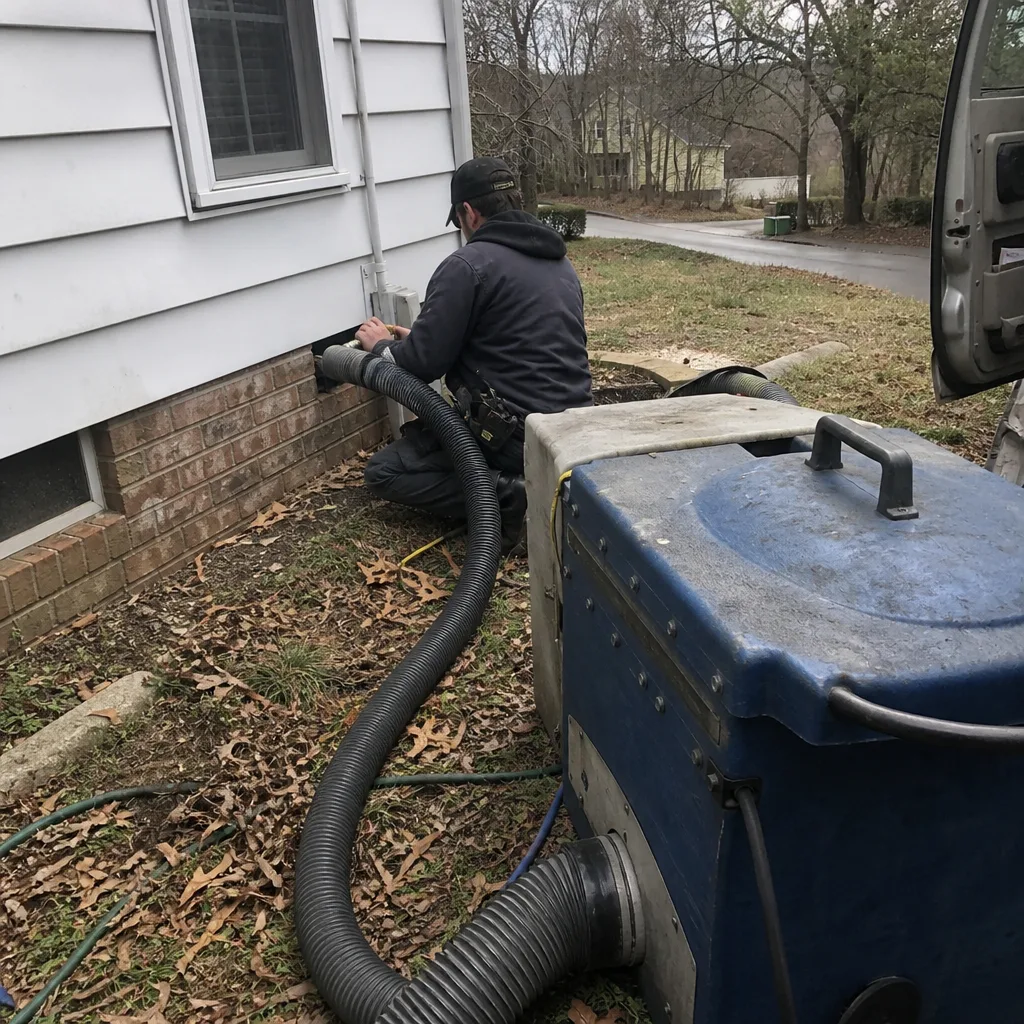 Before
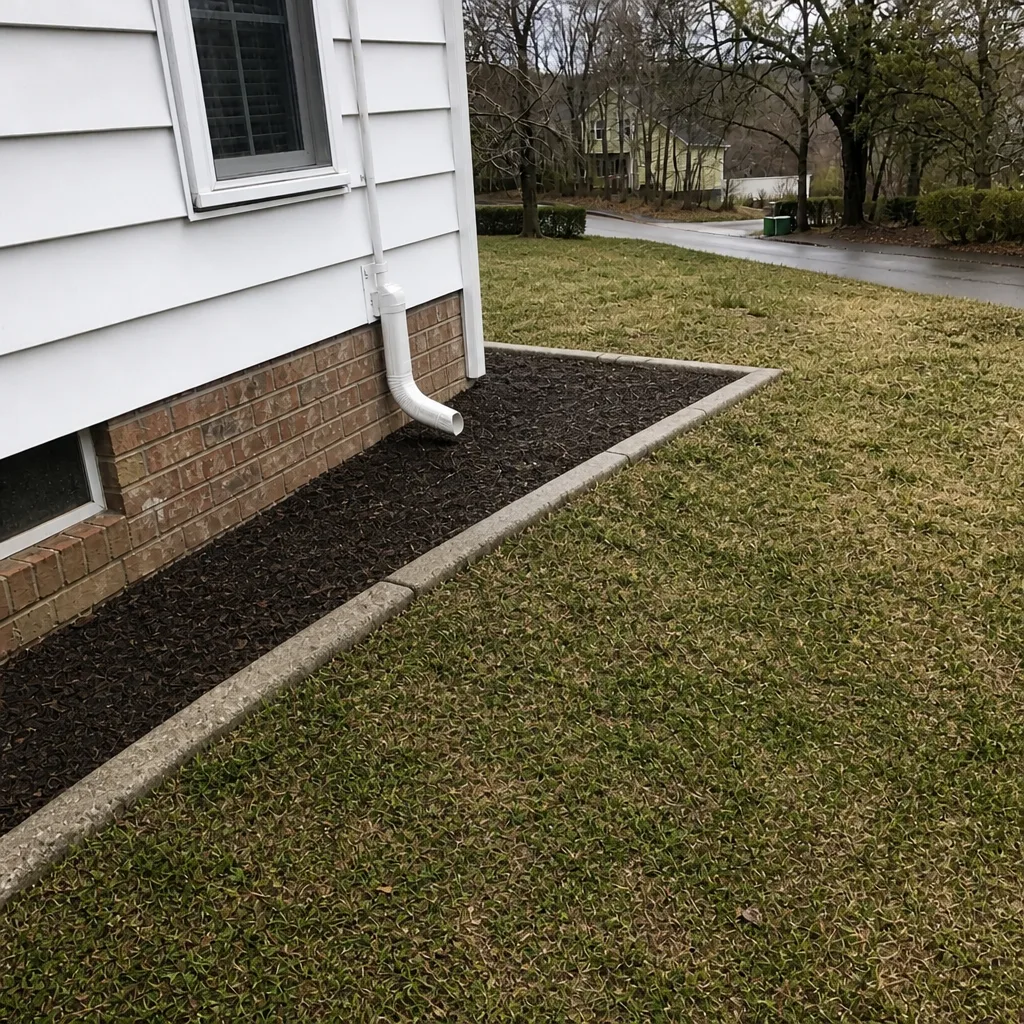 After
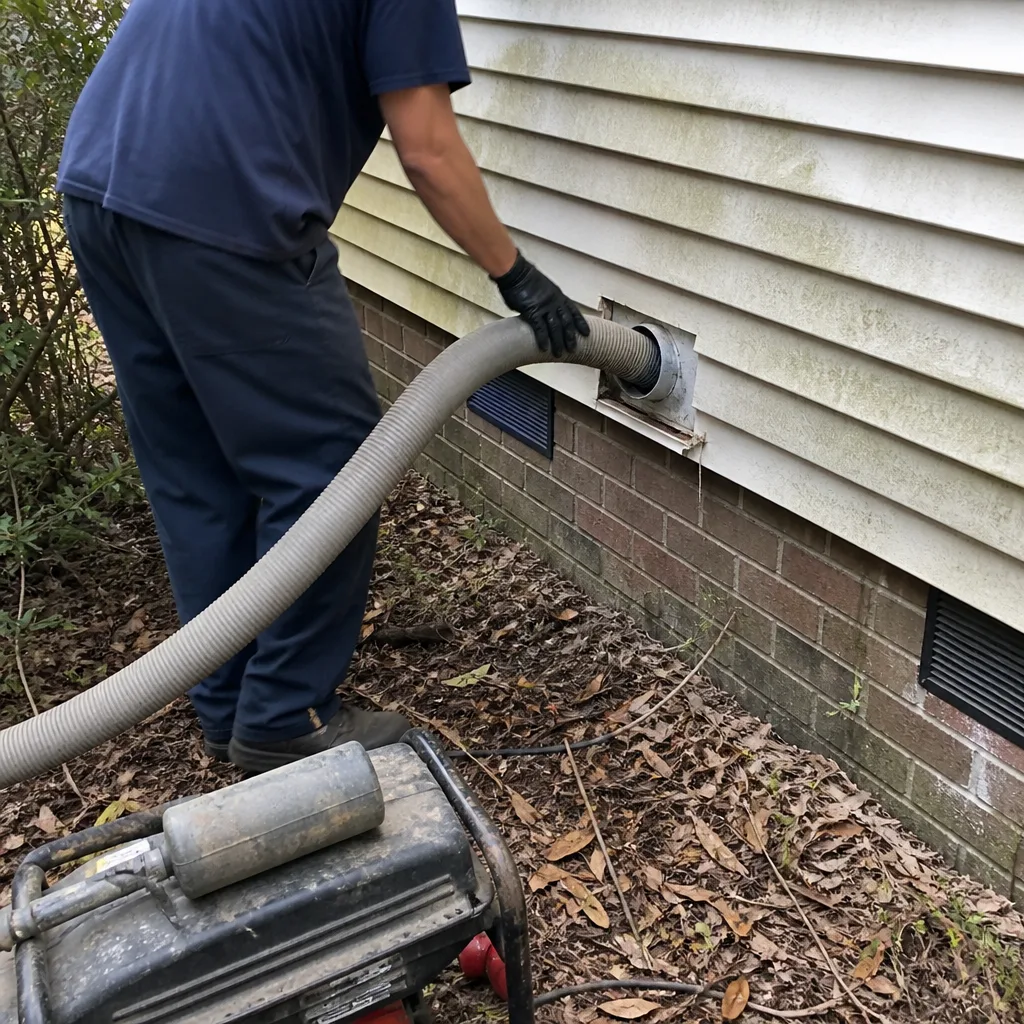 Before
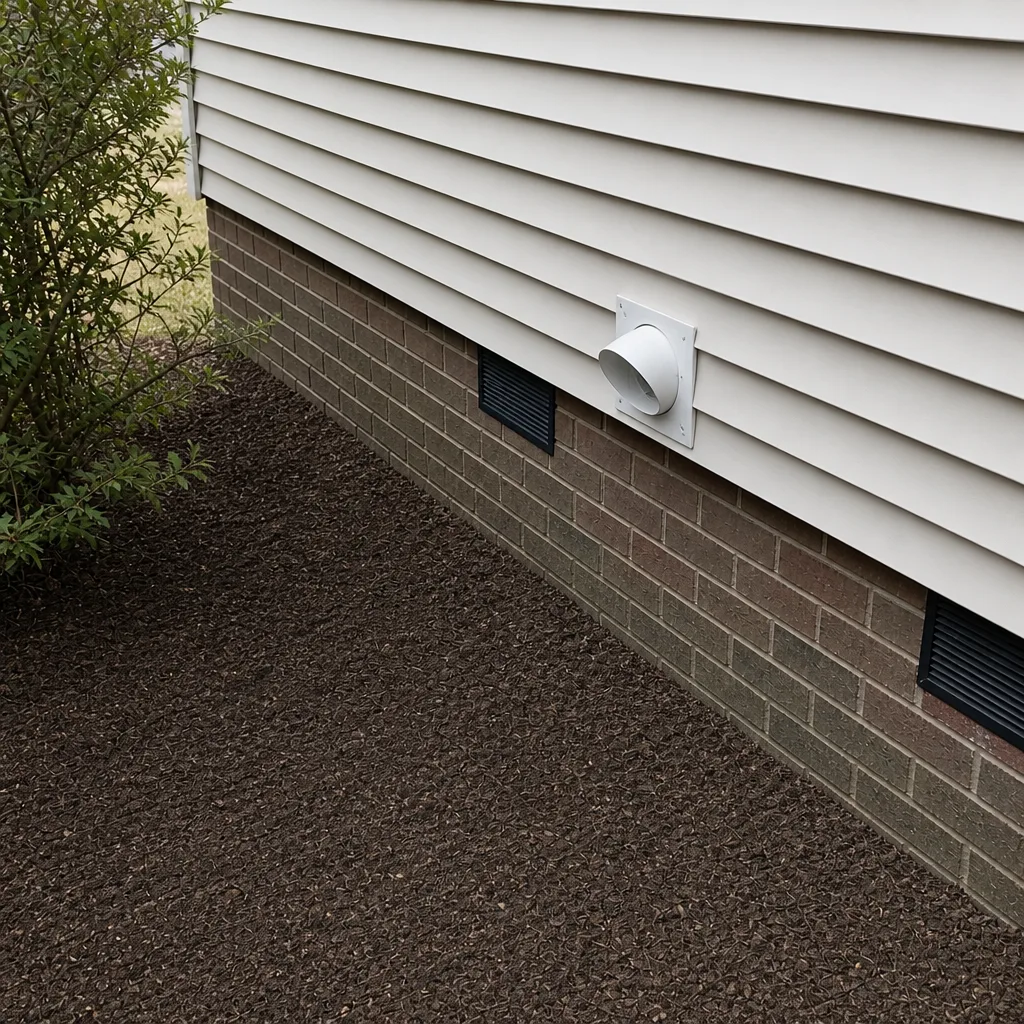 After
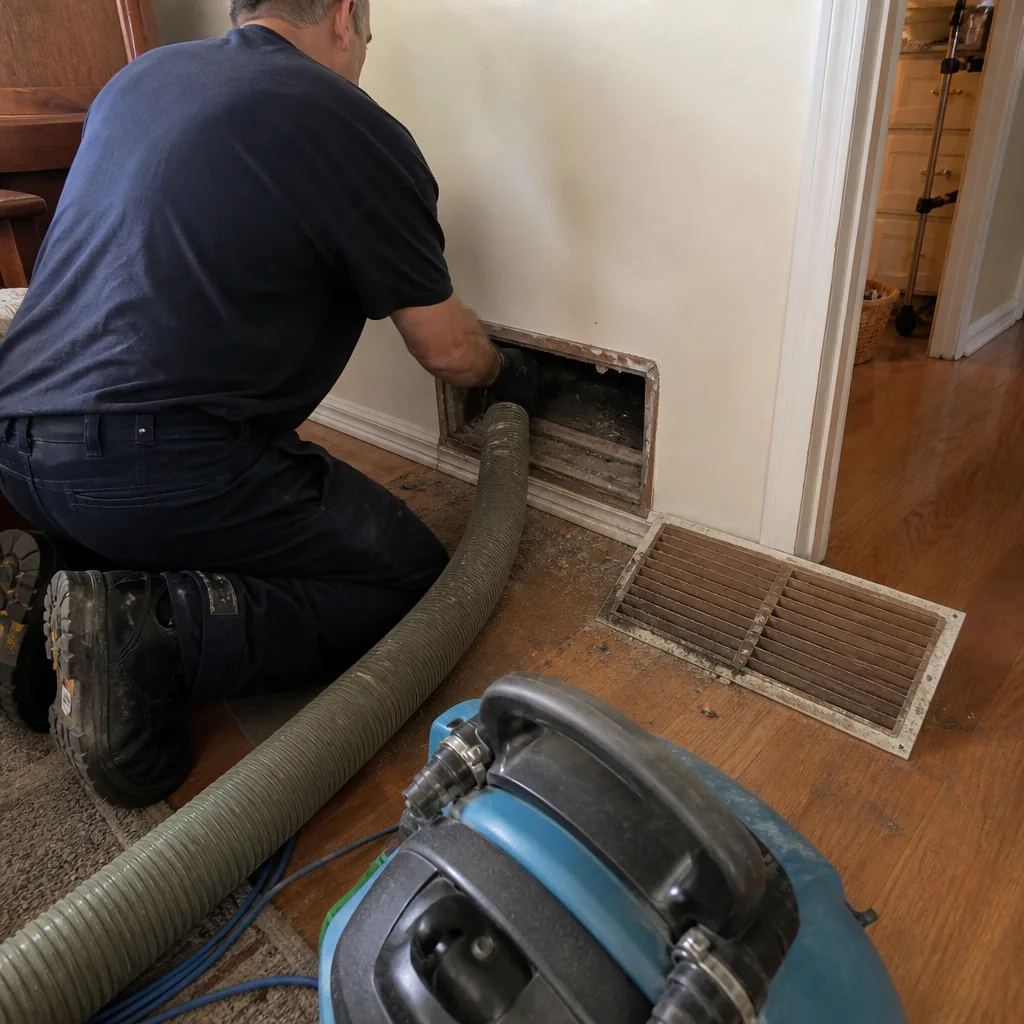 Before
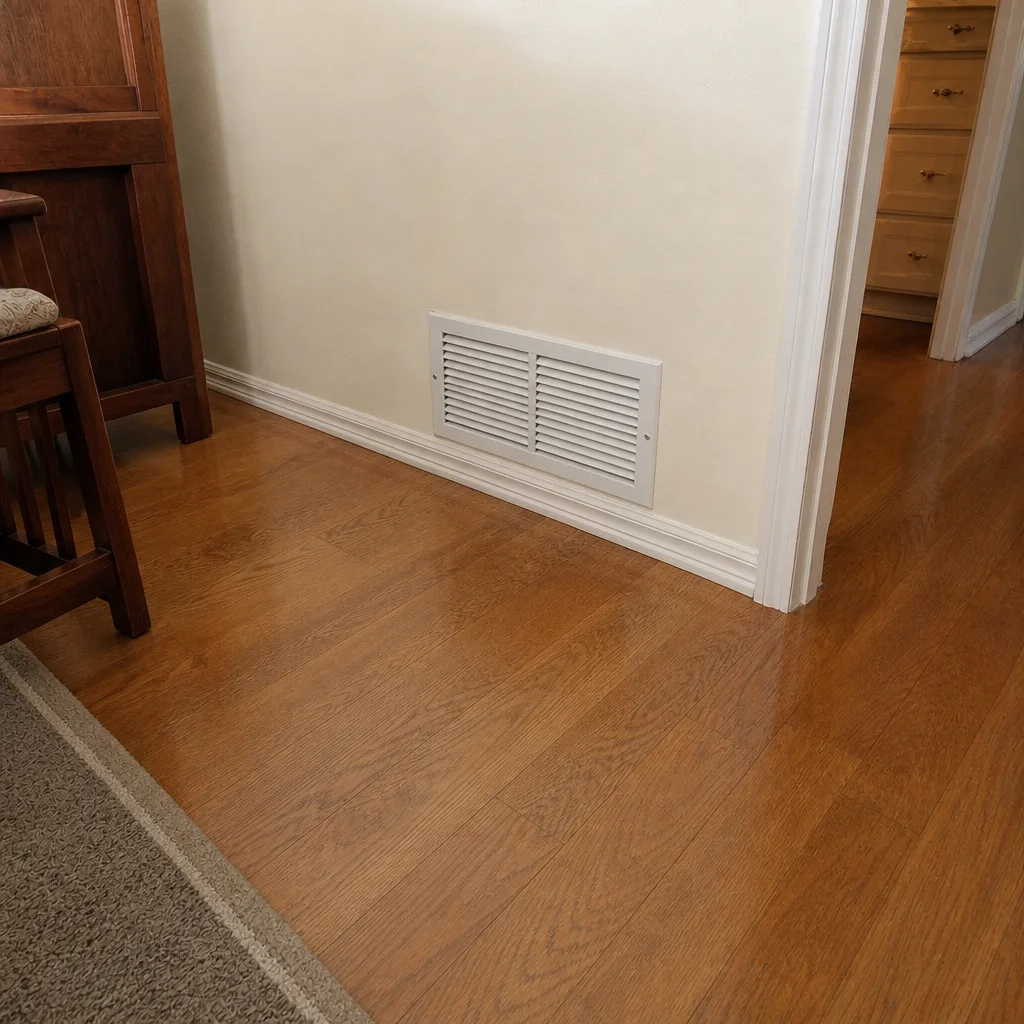 After
When to Call a Professional
Some duct care you can handle yourself: filter changes, checking that return registers are open, watching the drain pan for standing water. Call a professional when the signs point inside the system. That includes visible growth or a musty smell from the vents that won’t clear, a condensate drain that backs up or overflows, weak airflow in rooms that used to be fine, a smell that appeared after a storm that breached the house, or a heating system that needs its heat exchanger checked before the heating season. Post-storm, call if the envelope was breached or the system is behaving differently. Wilmington Duct Cleaning offers free estimates in Wilmington; call (855) 360-7068. We answer 24/7. Fast dispatch from 7am to 7pm, Sunday through Friday. The written estimate sets the final price, and a flat price per system is agreed before any work starts.
Frequently Asked Questions
Most Wilmington homes benefit from a whole-system cleaning roughly every three to five years, timed to the late March or April pre-cooling window. Homes with pets, recent remodeling, or a history of moisture problems may need it more often. The season matters as much as the interval: a cleaning that lands before the long cooling season does more for you than the same cleaning in the middle of summer.
Spring is the highest-priority window because three things converge: the spring pollen load peaks, humidity starts climbing toward summer, and the system transitions from limited winter airflow into full cooling duty. Cleaning just before those forces meet keeps the ducts as clean as possible for the season that does the most work. If you clean once on a multi-year cycle, aim for that window.
No. Wilmington’s mild, humid winter is warm enough that biological growth doesn’t die back the way it does in a freezing climate. That makes winter a risk window rather than a rest period. A quick check for musty smells, standing moisture, and visible growth at the registers is worth doing, and a cleaning in winter resets the system before spring. Call (855) 360-7068 for an exact quote; estimates are free.
Only if the storm actually pushed something into the system. Cleaning is warranted when the building envelope was breached, when water got in, or when the ducts were physically damaged; pressure-driven debris infiltration is the real mechanism. If the house stayed sealed and airflow is normal, cleaning usually isn’t needed. We assess that honestly rather than cleaning by default.
A clogged or slow drain keeps water in the pan and raises humidity inside the air handler, and the blower pushes that damp air into the supply ducts. Over a 90-day cooling season, a drain that never fully blocks can be worse than one that fails outright because it keeps the system damp for weeks without an obvious warning. Watch the pan and the drain flow through the summer.
Often, yes. We discover disconnected, crushed, or leaking ducts during cleaning and handle the repair as part of the same service, so you don’t have to find a second contractor. Diagnosis and resolution come from one company, which is the practical reason we offer Air Duct Repair alongside cleaning. Call (855) 360-7068 for a free estimate; the written estimate sets the final price.
The Bottom Line
Wilmington’s seasons don’t fit the four-quadrant calendar most duct advice assumes. The cooling season is long, the winter is mild but humid, and pollen arrives in two waves, so the care plan has to follow those conditions. The single most important move is a whole-system cleaning in late March or April, before the long cooling season and the spring pollen peak. Summer is about the condensate drain and indoor humidity. Fall is for return-side airflow and a technician’s heat exchanger check. Winter is a risk window for growth, not a break. After a storm, clean only when the envelope was breached or the ducts were damaged. Dryer vent care is its own year-round priority, separate from the ducts, and our dryer vent cleaning addresses a fire risk that’s documented by the NFPA rather than a comfort footnote. Follow the seasonal map and you’ll spend money on the right cleaning at the right time instead of cleaning on a schedule built for a colder climate.
Call Wilmington Duct Cleaning at (855) 360-7068 for a free estimate. We answer 24/7. Fast dispatch from 7am to 7pm, Sunday through Friday. One flat price per system is agreed before work starts, and before-and-after photos of your own ducts show what came out. The written estimate sets the final price, and the estimate itself is free.
Written by the team at Wilmington Duct Cleaning.