
Last updated November 15, 2026
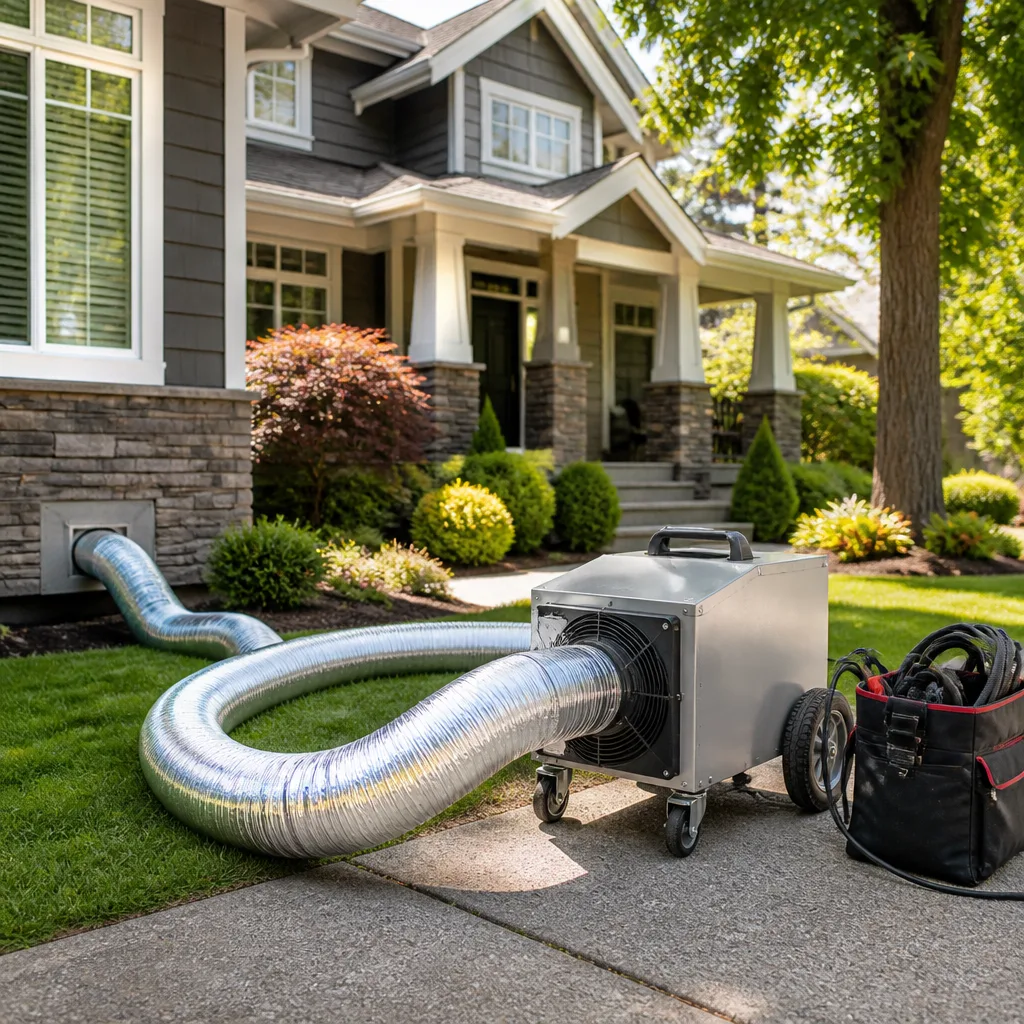 Whole-home duct cleaning
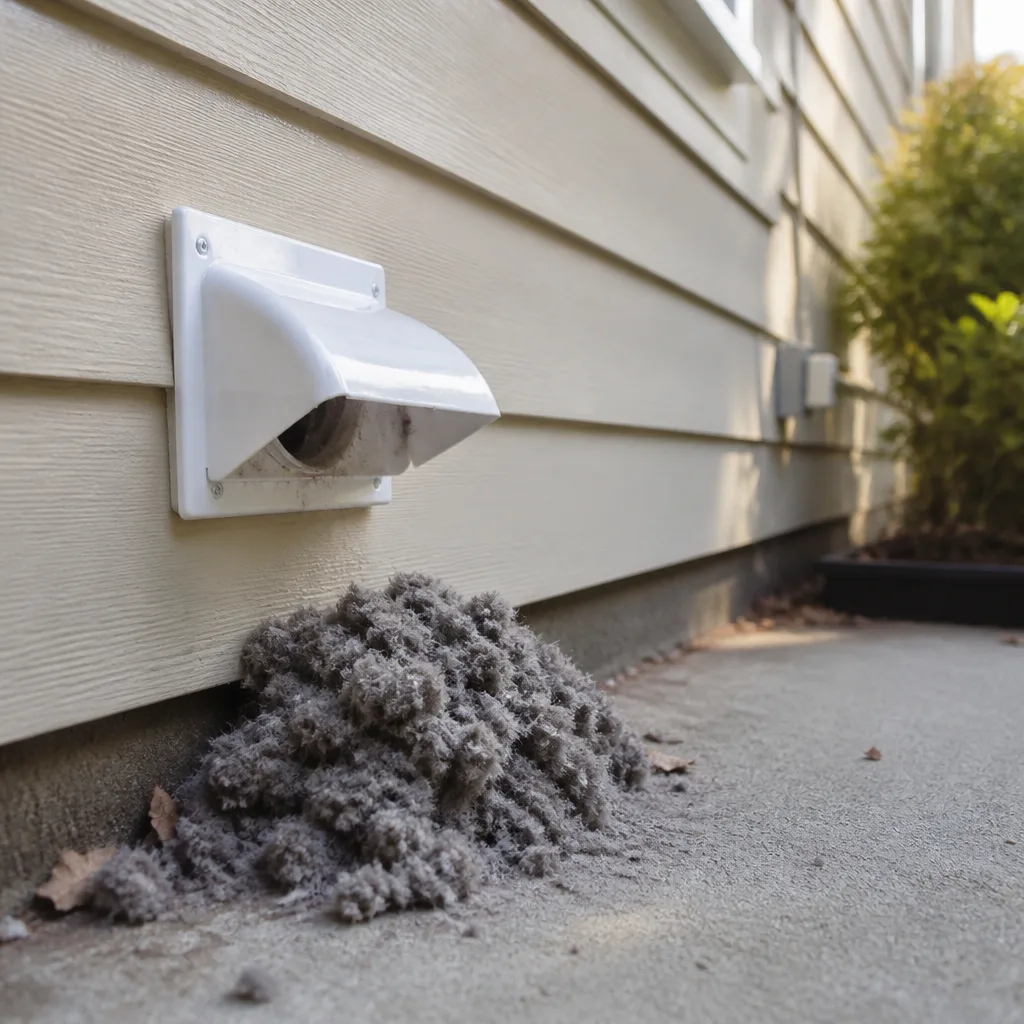 Dryer vent cleaning
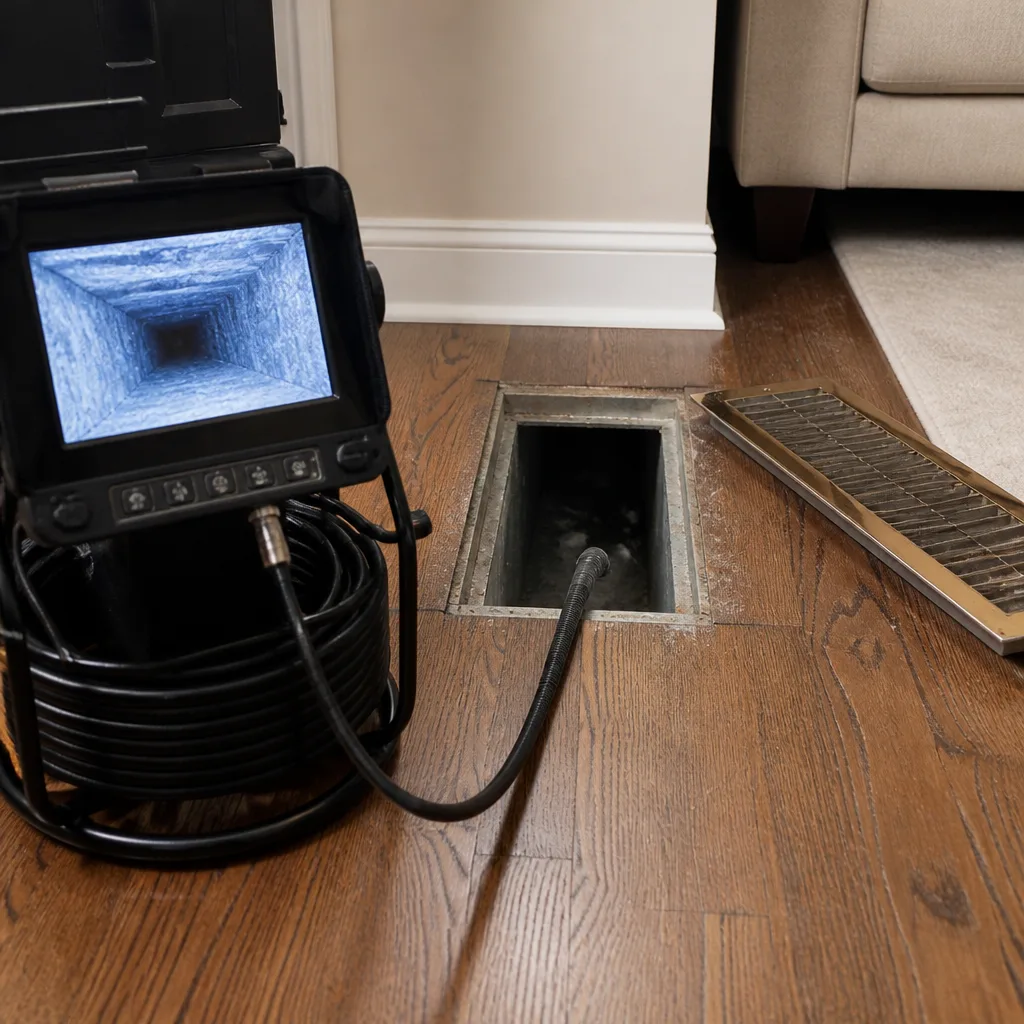 Camera inspection
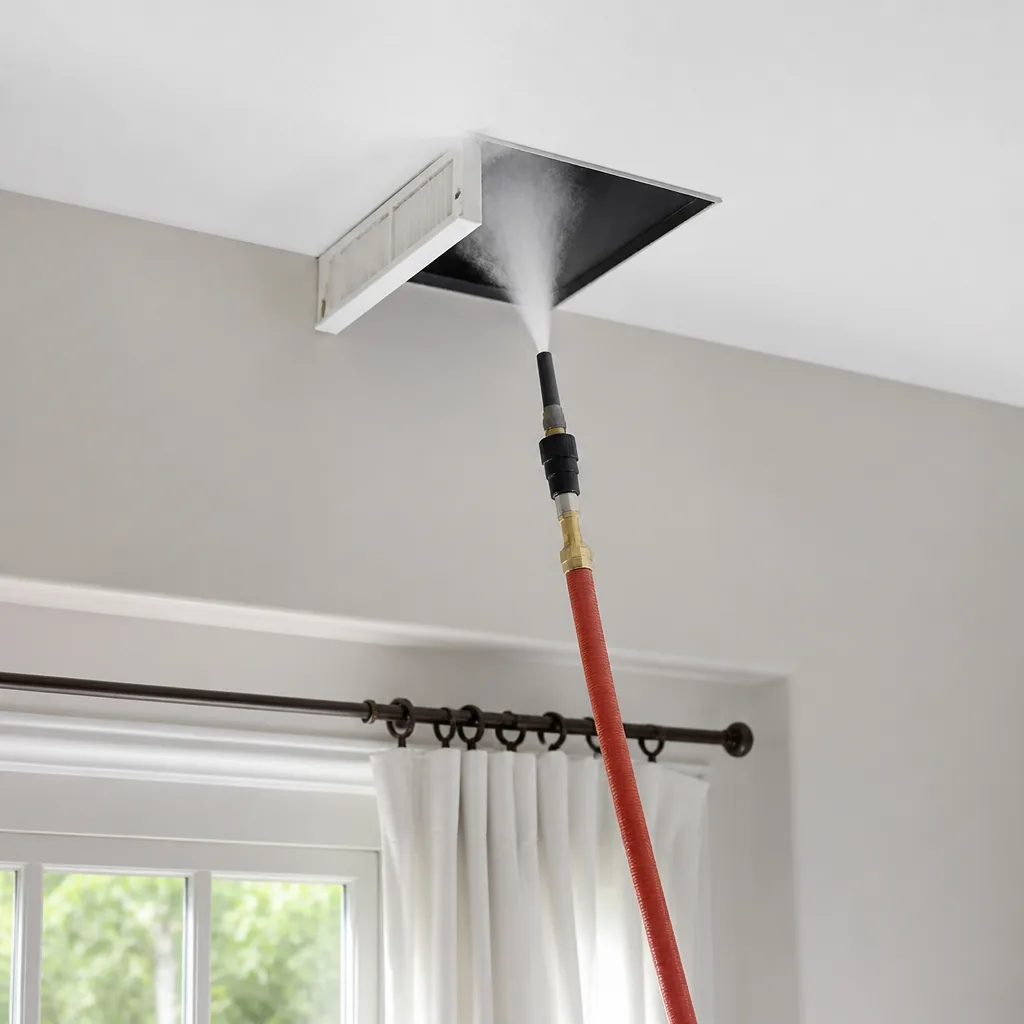 Sanitizing & deodorizing
Whole-system duct and dryer vent check with before-and-after photos - you see exactly what came out of your vents
That "$99 whole-house special" is a bait ad - the real number appears once they are in your hallway, or the "clean" is a shop-vac at the register. We photograph the inside of your ducts before and after instead.
Air Duct Cleaning Maintenance Checklist for Wilmington Homeowners
A filter change every 90 days is the advice on the box. In a Wilmington home with an older air handler sitting in an unconditioned attic, 45 days is closer to the real number – and that gap is exactly where duct problems start. Most homeowners treat duct maintenance as a single annual event, something you schedule and forget. The homes that avoid expensive remediation are the ones where someone is watching the system between cleanings, logging small changes, and catching separation, moisture, or airflow loss while it’s still a cheap fix. This guide gives you that system-state log: a monthly, quarterly, and annual checklist built around the failure modes we actually see in Wilmington’s humid summers and 1990s-to-2000s housing stock.
Quick Answer
A workable air duct maintenance checklist for a Wilmington home has three layers: monthly filter and airflow checks, quarterly inspections of flex duct connections at the plenum and the air handler drain pan, and an annual professional air duct cleaning with a full system inspection. The point isn’t busywork – it’s recording conditions early enough that a loose connection or a damp drain pan gets fixed before it contaminates the trunk line or drives up your energy bill. If you do nothing else, check the filter every 45 days in summer and look at your return grille for dust streaks once a month.
Styles & brands we work with
- Whole-home duct cleaning
- Dryer vent cleaning
- Camera inspection
- Sanitizing & deodorizing
Table of Contents
- Why Wilmington Homes Need Their Own Duct Checklist
- The Monthly Checklist: Filter and Airflow Basics
- The Quarterly Checklist: Connections, Drain Pan, and Duct Tape
- The Annual Checklist: Professional Cleaning and Full Inspection
- The Register-by-Register Airflow Test (No Tools Required)
- What Wilmington’s 1990s-2000s Housing Stock Means for Ducts
- The Dryer Vent Belongs on This Checklist Too
- How to Keep a Duct System Log That Actually Helps
Why Wilmington Homes Need Their Own Duct Checklist
Generic duct advice is written for a national average that doesn’t exist. Wilmington’s combination of long humid seasons, air handlers tucked into unconditioned attics, and a large share of homes built during the 1990s and 2000s construction boom produces a specific set of failure modes. In our experience, the checklist that works here looks different from one written for a dry climate or a basement mechanical room.
The core issue is moisture. A Wilmington summer keeps attic spaces hot and humid, and an air handler in that environment sweats. When the drain pan doesn’t clear properly, standing water sits a few inches from the duct trunk. That’s where early biological growth starts – not in the visible registers, but at the coil and the plenum where condensation collects. Catching it at the pan stage is a cleaning job. Catching it after it spreads into the trunk line is remediation.
The second local factor is flex duct. Much of the housing built here in the 1990s and 2000s used flexible duct run through attics and crawlspaces. Flex duct is efficient and fast to install, but its connections at the plenum and at each boot depend on tape, mastic, and zip ties holding under thermal cycling. Wilmington attics swing from brutal afternoon heat to cooler nights, and that cycling works on every joint.
This checklist is built for that reality. It’s also built as a record. A written log of what you checked and when turns a vague “the house feels dusty” into a specific, dated observation a technician can act on. For landlords and property managers running multiple units, that same log is how you prove service was performed and compare unit to unit. If you want the full picture of what professional service covers in this market, our Wilmington Duct Cleaning overview is the place to start.
The Monthly Checklist: Filter and Airflow Basics
Monthly tasks take under ten minutes and catch the fastest-moving problems. The single most useful habit is a filter check tied to the calendar, not to the packaging. A “90-day” filter in a Wilmington home that runs its system hard through summer is often loaded well before that. Set a reminder every 30 days to look, and plan to replace every 45 to 60 days during cooling season if you have pets, run the fan continuously, or live near a construction corridor.
What to do each month:
- Pull the filter and hold it to a light. If you can’t see light through the pleats, it’s done regardless of what the box says. Note the date on the filter frame with a marker.
- Check the return grille for dust streaks. Dark trails radiating from the grille edges mean air is bypassing the filter housing. That’s a sealing problem, not a cleaning problem, and it’s worth flagging.
- Walk each supply register and feel the airflow. You’re not measuring CFM – you’re comparing. A register that used to blow strong and now feels weak is the earliest sign of a partial blockage or a disconnected run.
- Look at the register fins and the immediate surrounding ceiling or wall. Fine dark dust on the fins is normal between cleanings. Dust streaks on the drywall around the register suggest leakage at the boot.
- Listen at the air handler for a change in sound. A new rattle, whistle, or whoosh after years of the same noise is worth writing down.
None of this requires tools. A cheap notebook or a note on your phone is enough. The goal is a baseline: what “normal” looks like in your home in month one, so month six has something to compare against. Homeowners who keep this log catch problems earlier and ask better questions when they call for service.
The Quarterly Checklist: Connections, Drain Pan, and Duct Tape
Quarterly is where the checklist earns its keep. These are the inspections that separate a home that avoids remediation from one that doesn’t. Do them at the change of each season, and take a photo of each check point so you have a visual record.
Flex duct connections at the plenum
The plenum is the box where the air handler pushes air into the duct trunk. Follow each flexible duct run back to where it connects. What you’re looking for is separation – a visible gap between the inner liner and the collar, tape peeling away, or the outer jacket pulled back from the fitting. In Wilmington’s 1990s and 2000s housing stock, this is one of the most common failures we find. A separated connection dumps conditioned air into the attic, pulls unconditioned attic air into the system, and is invisible from inside the house. Look, don’t touch – if you see a gap, note it and have it repaired rather than taping over it yourself.
The air handler drain pan
Find the pan under the indoor coil. During humid season, this is your early-warning system. Check for:
- Standing water that isn’t draining – the pan should stay nearly empty, with water flowing out the condensate line.
- Slimy film or dark residue on the pan surface or in the drain line. This is early biological growth, and catching it at the pan is far cheaper than catching it after it spreads to the duct trunk.
- Rust or mineral staining around the drain fitting, which points to a slow clog.
- Water stains on the platform or insulation around the unit.
If you see growth or standing water, that’s a call – not a scrub. Cleaning the pan without addressing the source just resets the clock.
Duct tape condition on older systems
Standard cloth-backed duct tape has a working life of roughly five years in an attic. After that it dries, cracks, and lets go. Here’s the useful part: if you know when the tape was applied, you know whether the joints are still sealed. Ask the previous owner or check your records for the install date. If the tape on your joints looks smooth and stuck, it’s likely fine. If it’s cracking, curling at the edges, or peeling back, it’s past its service life and the joints need proper mastic and mesh – a repair, not a re-tape. Duct repair is often part of what we do when we find failing joints during a cleaning visit, which saves you a second contractor call.
Return grille inspection
Pull the return grille and look into the cavity behind it. You should see clean sheet metal or a clean duct collar. Dust caked on the cavity walls, debris sitting in the boot, or visible gaps where the grille frame meets the drywall are all worth noting. A poorly sealed return is one of the quiet causes of a dusty house.
The Annual Checklist: Professional Cleaning and Full Inspection
Once a year, the checklist crosses from owner-observable to professional work. An annual inspection paired with cleaning is where you get eyes on the parts you can’t safely reach, and where the equipment matters. A shop-vac and a brush on a stick can’t properly clean a plenum or verify that a flex duct run is intact end to end. That takes real suction and controlled containment.
What an annual professional visit should include:
- A walkthrough before any equipment comes in. The technician should identify every register, every return, and the air handler location, and ask what you’ve noticed over the past year.
- Containment setup. Proper work uses negative-air pressure to keep dust from migrating into living space. We use Abatement Technologies negative-air machines for this, which is the same approach used in commercial and restoration work.
- Mechanical agitation and HEPA-rated extraction. We run Rotobrush rotary brush systems to loosen debris from duct walls and Nikro HEPA-rated vacuums to pull it out under controlled suction. Source removal is the point – not a fogging spray or a perfume cover.
- An inspection of the air handler compartment and the coil. This is where we look for the drain pan conditions from the quarterly checklist and confirm there’s no growth spreading into the trunk.
- Verification of the whole-home air quality system. If you have a Honeywell or Aprilaire setup, the service should account for it. We work on the system, not just the visible parts.
- Before-and-after photos of your own ducts. Ask for them. Photos of your actual ductwork are the difference between a documented job and a claim.
- A written summary of findings – any separation, seal failure, or damage found, and whether repair is recommended now or monitored.
Frequency matters. A typical Wilmington home with no pets and a maintained filter can go two to three years between professional cleanings. Homes with pets, recent renovation dust, smokers, or anyone in the house with respiratory sensitivity often benefit from annual service. The right answer depends on what your checklist log shows.
The Register-by-Register Airflow Test (No Tools Required)
This is the single most useful thing a homeowner can do between professional cleanings. You don’t need a manometer or an anemometer. You need a consistent method and a record.
- Set the system to fan-only and let it run for five minutes. This stabilizes airflow.
- Start at the register closest to the air handler and work outward. Hold your hand flat about two inches from the grille. You’re rating the push on a simple 1-to-3 scale: strong, medium, weak.
- Do the same test at every register on the same day, same time of day. Consistency is what makes the comparison meaningful.
- Write down each register location and its rating. Bedroom, hallway, kitchen, bathroom – label them.
- Repeat the test quarterly. A register that slips from strong to weak is the sign of a partial blockage – a collapsed flex run, a disconnected boot, or debris in the trunk – and it’s often in the run feeding that register specifically.
- Note temperature differences, not just pressure. A register blowing hard but cold (in heating season) or hot (in cooling season) may have a disconnected run feeding unconditioned attic or crawlspace air. That’s a repair, not a cleaning.
When one register is weak and the rest are strong, the problem is localized and usually easy to find. When every register is weaker than last quarter, the issue is at the air handler or the trunk. Both are worth a call. A register that’s been weak since you moved in may just be poorly balanced, but you can only know that by testing the others.
What Wilmington’s 1990s-2000s Housing Stock Means for Ducts
The age of a home tells you a lot about what to expect from its ducts. Wilmington’s construction boom of the 1990s and 2000s produced a large share of homes with flexible duct systems run through unconditioned attics, MERV-rated filter grilles at the return, and air handlers mounted on platforms designed for quick install. These systems work well. They also have predictable wear points.
What we look for in homes of this era:
- Flex duct sagging between hangers. Flex runs that droop more than a few inches create low spots where dust settles and airflow drops. A supported run is a quiet, efficient run.
- Tape joints past their service life. If the tape dates to the original build, it’s beyond its five-year working life and likely failing.
- Boots that were never properly sealed to the drywall. Gaps around the register boot let attic air and dust into the living space. Look for dark streaks at the register edges.
- Return air chases pulling from unintended spaces. In some layouts, the return chase shares a wall cavity with the attic or garage. That draws air you don’t want into the system.
- Coils that haven’t been cleaned in years. An air handler that’s never had the coil washed can’t move air efficiently no matter how clean the ducts are.
Newer homes aren’t exempt. Tight construction calls for balanced ventilation, and if your home has an Aprilaire fresh-air or humidity control system, ducts and ventilation have to be maintained together. Older homes bring their own issues – sometimes rigid metal duct with internal insulation that has started to break down. Either way, the checklist is the same. The findings differ.
The Dryer Vent Belongs on This Checklist Too
If you’re building a duct maintenance checklist, the dryer vent belongs on it. This isn’t an air quality issue – it’s a fire risk. Clogged dryer vents are a documented leading cause of residential fires, and the fix is straightforward: regular dryer vent cleaning and a quick visual check monthly. We treat this as its own properly equipped service, not an upsell bolted onto a duct cleaning.
Monthly checks:
- Feel the outside vent flap during a drying cycle. It should open fully and push air out with obvious force. A flap that barely lifts is a clog.
- Check the flexible transition duct behind the dryer. It should be short, smooth inside, and free of kinks or crushed sections. A crushed transition trap is a common, easily fixed problem.
- Watch for the lint you can see. Lint behind the dryer, lint accumulating inside the door, lint around the drum – visible lint means lint is also sticking in the duct run.
Annual professional cleaning is the right interval for most households. If you dry heavy loads daily, have a large family, or have a long vent run, consider more often. Cleaning the dryer vent is one of the highest-value maintenance tasks in the home per hour invested.
For routine duct care in Wilmington, keep the dryer vent on the same annual calendar as the air duct cleaning – do both in one visit and you’ll never forget either.
How to Keep a Duct System Log That Actually Helps
The checklist only works if the results are recorded. A duct system log isn’t a formal document – it’s a simple page you add to each time you perform a check. The value is in the comparison: what did the register airflow look like three months ago, when was the filter last changed, when did you first notice the drain pan looking off. A technician can work much faster with that history in hand.
What to record:
- Date of every filter change and the filter type (MERV rating).
- Airflow ratings for each register, per quarter.
- Any change you noticed – new sounds, new smells, new dust.
- Photos of the plenum connections, the drain pan, and any tape joints you’re tracking.
- Service dates and what was done, including before-and-after photos of the ducts.
- Repairs performed and when – important if a joint was resealed, so you know when to check it again.
For landlords and property managers, this log becomes a service record per unit. It’s what lets you compare a problem unit to a baseline unit and prove maintenance was performed between tenancies. It’s also what makes repeat service fast and consistent, which is one of the practical benefits of working with a specialist who handles cleaning, repair, and prevention together – diagnosis and resolution by one company, and no referral to a second contractor when repair comes up during service. Our technicians have up to 13 years of experience, and they know what to look for in Wilmington homes.
Common Mistakes to Avoid
- Trusting the filter package over the filter. A “90-day” filter in a Wilmington home running hard through summer is often done in 45 to 60 days. Hold it to the light and decide from that, not from the box.
- Taping over separated flex duct connections yourself. Tape over an existing failure hides the problem and traps moisture that keeps damaging the joint. A connection that’s separated needs proper repair with the correct materials – not a fresh piece of tape.
- Ignoring the drain pan. A slim film on the pan in June becomes biological growth in the trunk by August. The pan is the earliest, cheapest place to catch moisture problems.
- Assuming a weak register is just “how it is.” Every register should be compared against the others. If one is clearly weaker and always has been, it may just be balanced wrong – but if it changed, it’s telling you something.
- Skipping the dryer vent because the dryer still works. A dryer vent clog builds slowly and only announces itself when it’s serious. Cleaning it on the annual calendar removes the risk before that point.
- Hiring on price alone and getting no verification. The bait-and-switch reputation in this trade is earned. Ask for before-and-after photos of your own ducts, a fixed scope, and evidence of real equipment before any work starts.
- Cleaning the ducts and never checking the air handler. Ducts that are clean but connected to a dirty coil and a failing drain pan will get dirty again fast. The whole system needs attention, not just the visible parts.
See the difference
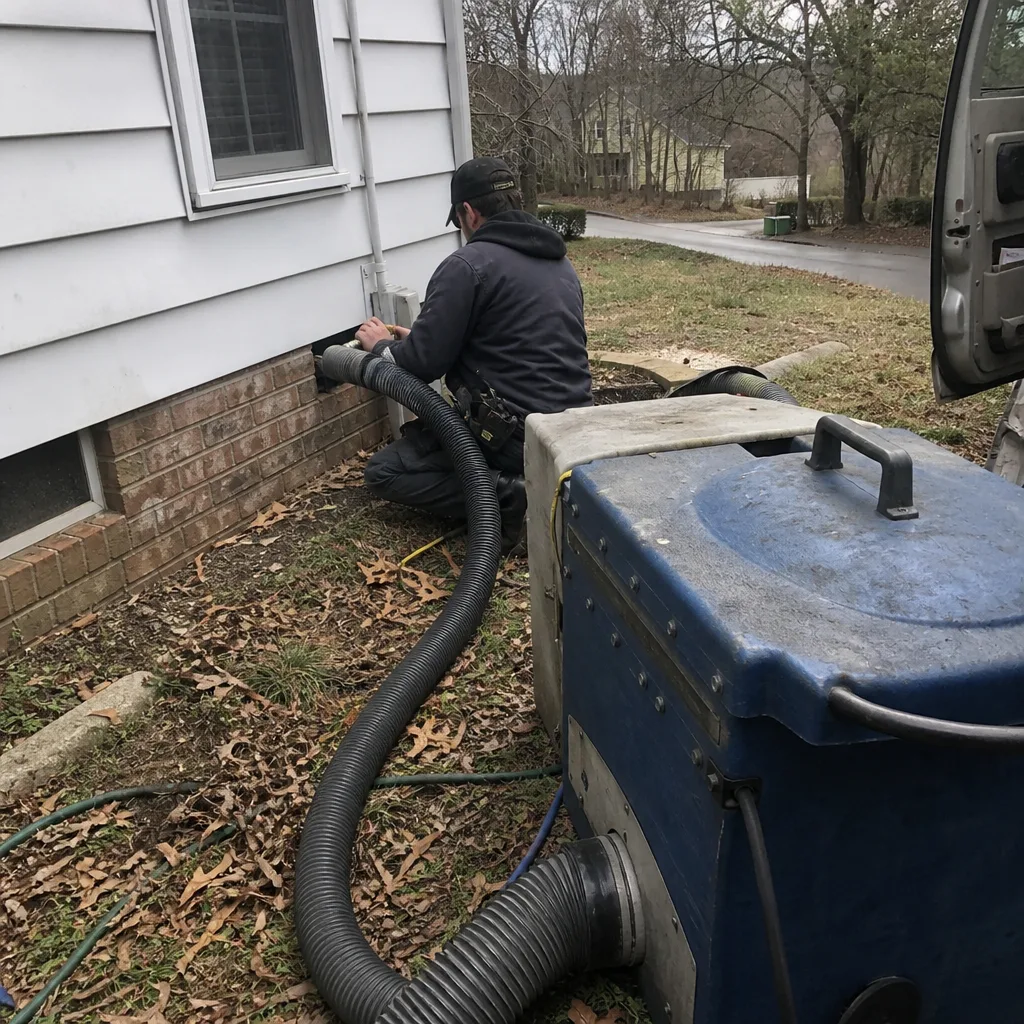 Before
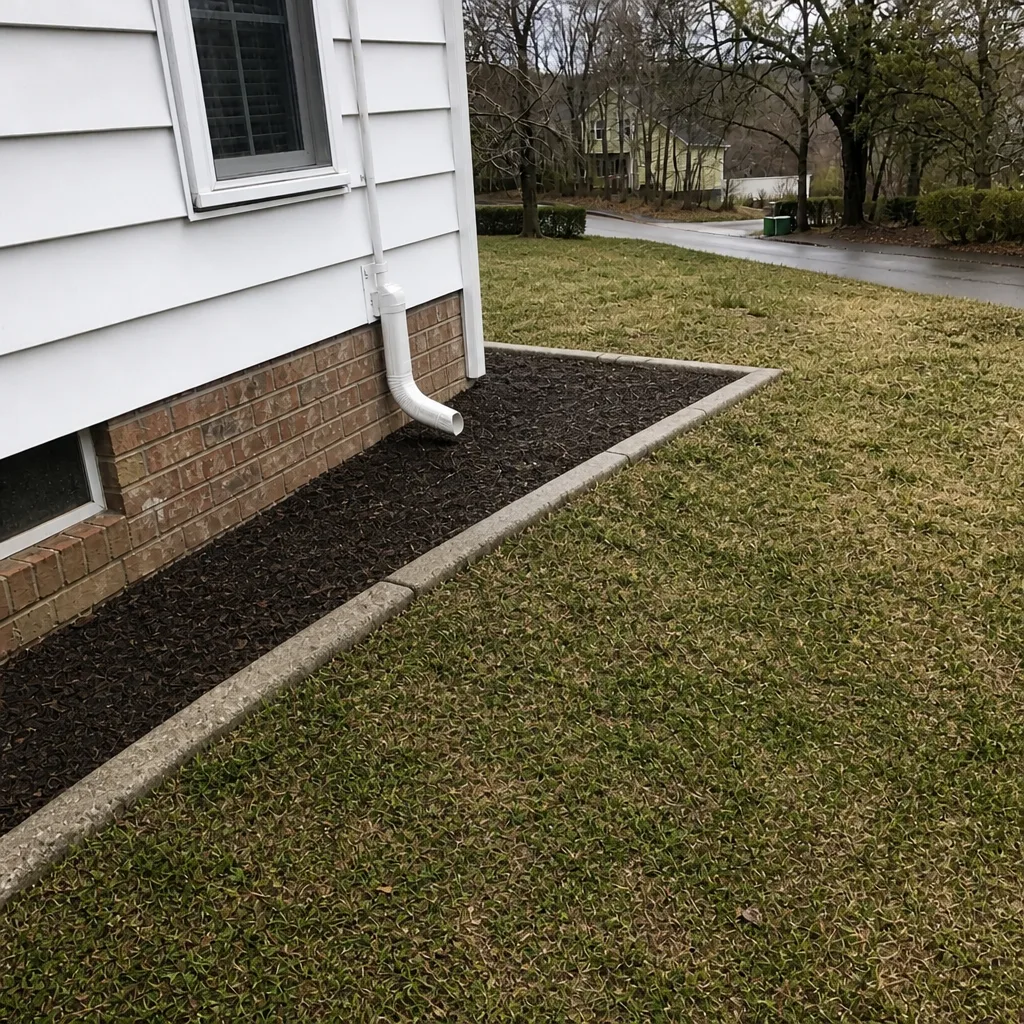 After
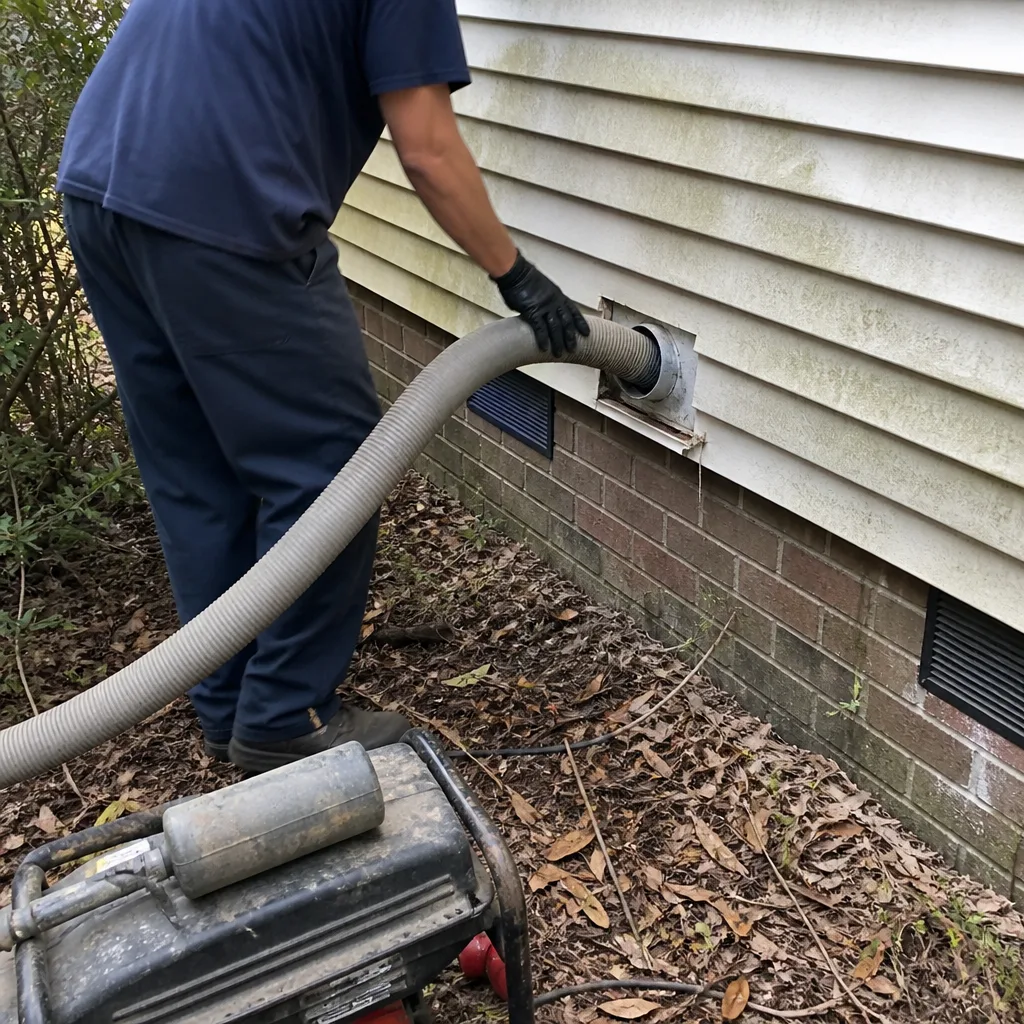 Before
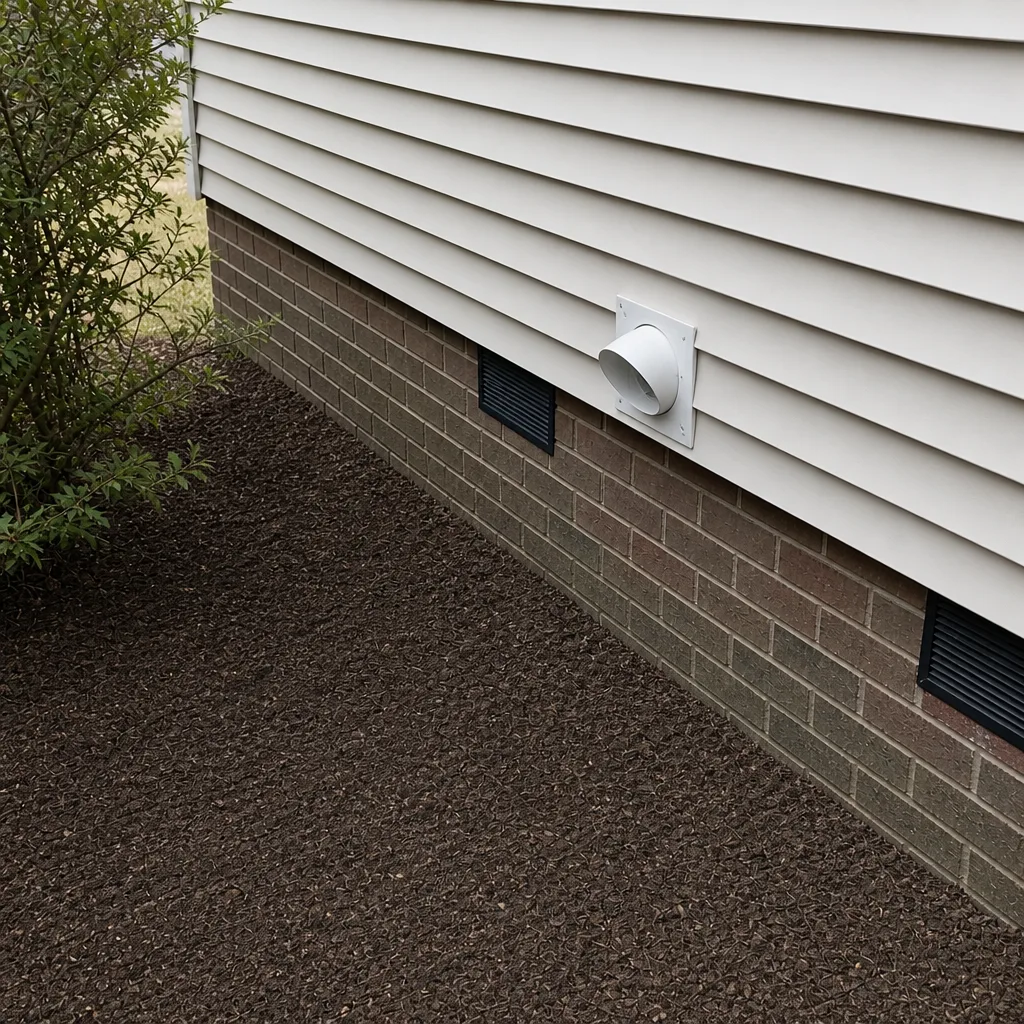 After
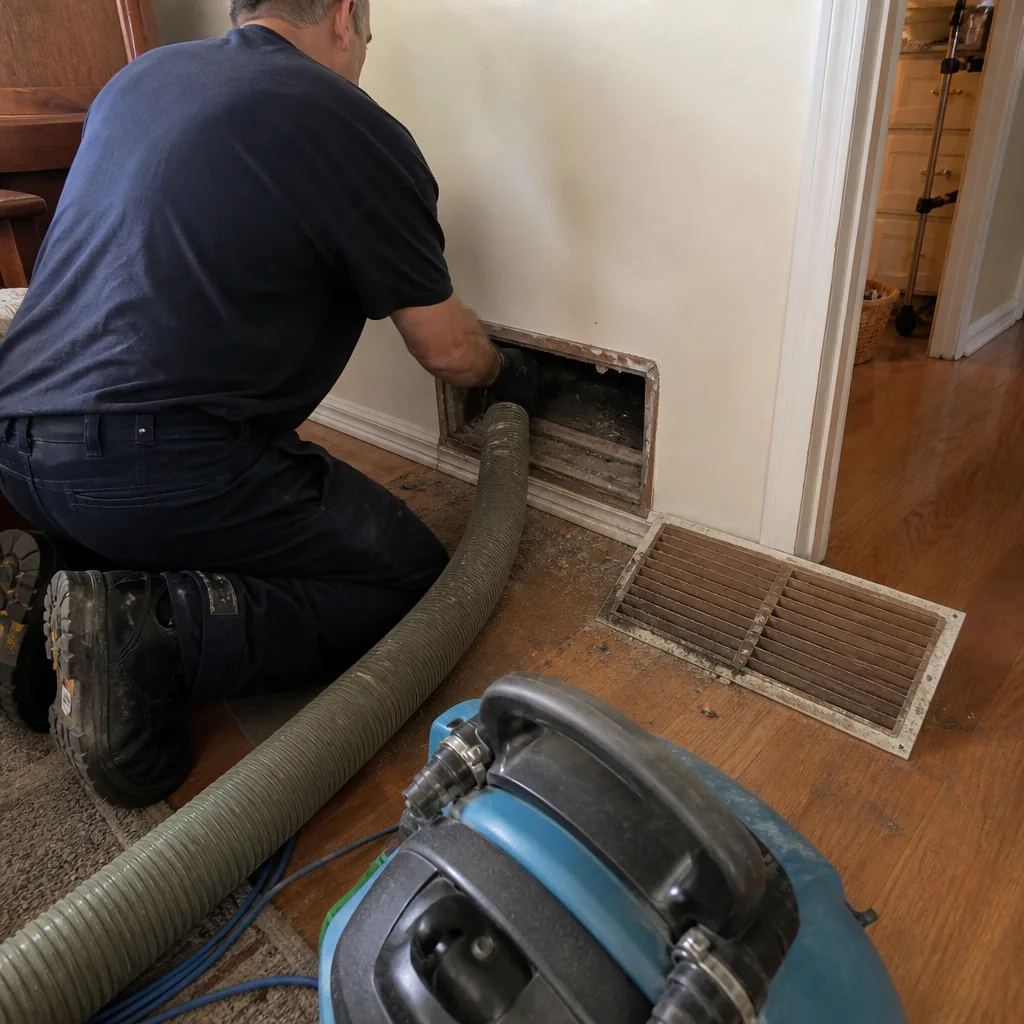 Before
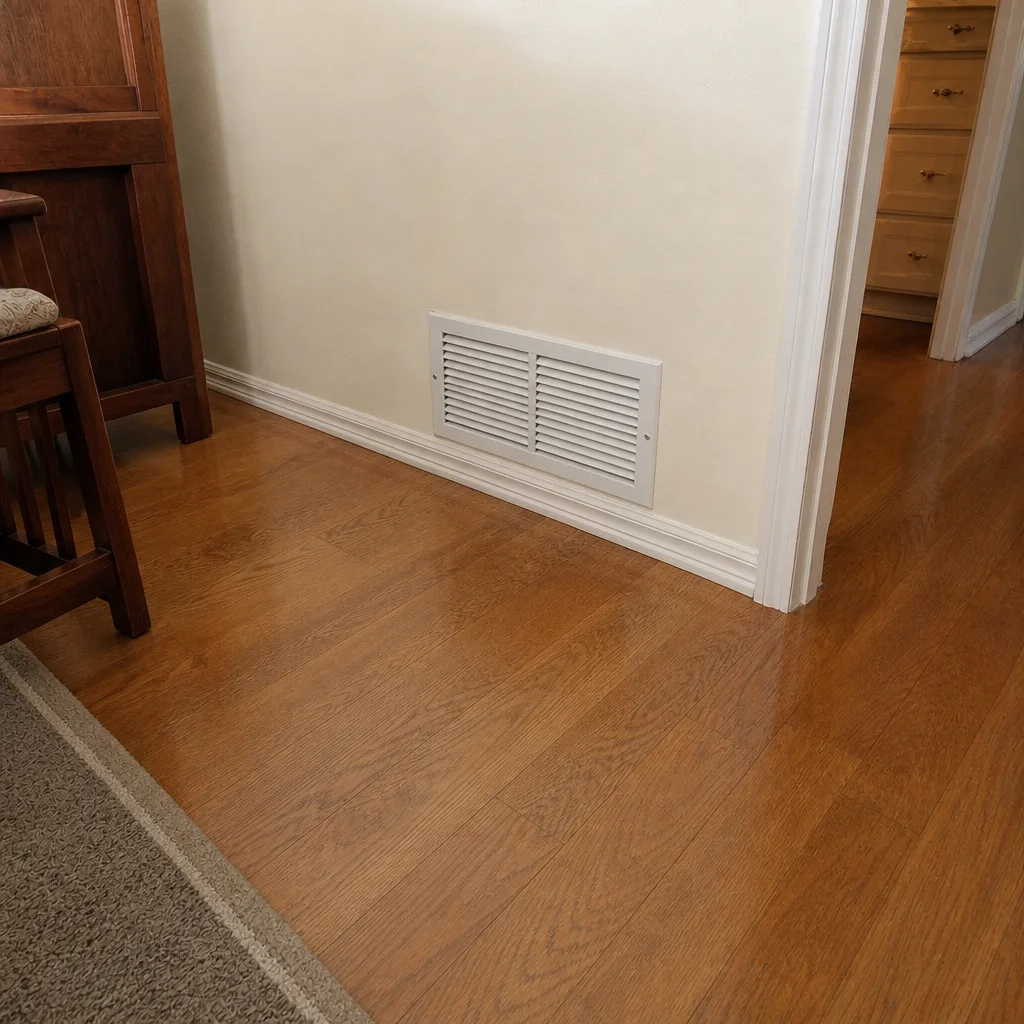 After
When to Call a Professional
Some problems belong in your checklist log. Others belong on the phone. Call if you’ve found a separated flex connection, standing water or visible growth in the drain pan, tape that’s curling off joints on an older system, or a register whose airflow dropped significantly since your last check. Call if the house smells musty after the system runs, if dust returns within days of cleaning, or if the dryer vent flap won’t fully open. These are the conditions where cleaning and repair together are more efficient than either alone, and where a real inspection tells you what’s actually happening. Wilmington Duct Cleaning offers free estimates in Wilmington – call (855) 360-7068. We answer 24/7. Fast dispatch is available from 7am to 7pm, Sunday through Friday. Every job is scoped with one flat price per system agreed before work starts, with before-and-after photos of your ducts so you can verify the work was actually done. If a repair is needed, we handle it as part of the same visit or schedule it – no second contractor, no referral.
Frequently Asked Questions
Most Wilmington homes with no pets and a maintained filter can go two to three years between professional cleanings, but homes with pets, recent renovation dust, or anyone in the house with respiratory sensitivity usually do better on an annual schedule. The right answer depends on what your checklist log shows – a home whose airflow ratings stay strong and whose filter loads slowly is not the same as one that’s pulling dust from a poorly sealed return. Call (855) 360-7068 for an honest answer on your specific home; estimates are free.
Cheap quotes are usually a teaser price for a partial job – cleaning visible registers only, using a shop-vac, skipping proper containment, and leaving the plenum and air handler untouched. Those jobs look done on arrival and end with a much larger invoice. Ask any company to describe their equipment and containment process before booking, and to give you a fixed scope. We use Rotobrush rotary brush systems, Nikro HEPA-rated vacuums, and Abatement Technologies negative-air machines, and we set one flat price per system before starting. Call (855) 360-7068 for a quote you can compare.
Before-and-after photos of your own ductwork are the simplest verification, and you should ask for them before any work begins. Photos of your actual plenum, trunk, and air handler are proof of a real job – stock photos or “before” images from another house are not. We photograph the ducts we clean on every job. If a company won’t commit to that in writing, book elsewhere. Call (855) 360-7068 and we’ll explain exactly what we’ll photograph and why.
A good filter reduces the load on the system, but it doesn’t clean what’s already there and it doesn’t seal a failing joint – so it can’t replace professional duct service. In a Wilmington home with flex duct in an attic, filter maintenance and quarterly joint and drain pan inspection do most of the work, and an inspection-plus-cleaning visit once every couple of years catches what you can’t see. Call (855) 360-7068 if you’re unsure whether your system needs service this year; the estimate is free.
Yes – landlords and property managers are a large part of what we do, and documented, repeatable service across units is exactly what the checklist approach supports. We keep records per unit, provide before-and-after photos, and handle duct cleaning, dryer vent cleaning, and repair so you don’t have to source separate contractors for each. Call (855) 360-7068 to set up service across a portfolio; we’ll scope it per unit and quote in writing.
It’s serious enough to schedule, not panic about. A flap that barely opens during a drying cycle means significant lint buildup in the vent run, which is a documented fire risk and reduces dryer efficiency. Stop using the dryer until it’s cleaned if you also smell burning or the dryer is getting very hot. Otherwise book the cleaning. Call (855) 360-7068 and we’ll schedule dryer vent cleaning on its own or alongside air duct cleaning in the same visit.
The Bottom Line
A duct maintenance checklist is a system-state log, not a chore list. The monthly filter and airflow checks catch fast-moving problems. The quarterly plenum, drain pan, and duct tape inspections catch the slow failures that get expensive in Wilmington’s humid climate and older flex-duct housing. The annual professional visit with real equipment and before-and-after photos confirms what’s actually happening inside the system. Keep the log, compare month over month, and call when something changes. That’s the routine that keeps small fixes small.
We’d be glad to put eyes on the whole system and give you a straight read on what it needs. Call (855) 360-7068 for a free estimate. We answer 24/7. Fast dispatch from 7am to 7pm, Sunday through Friday.
Written by the team at Wilmington Duct Cleaning.