
Last updated November 15, 2026
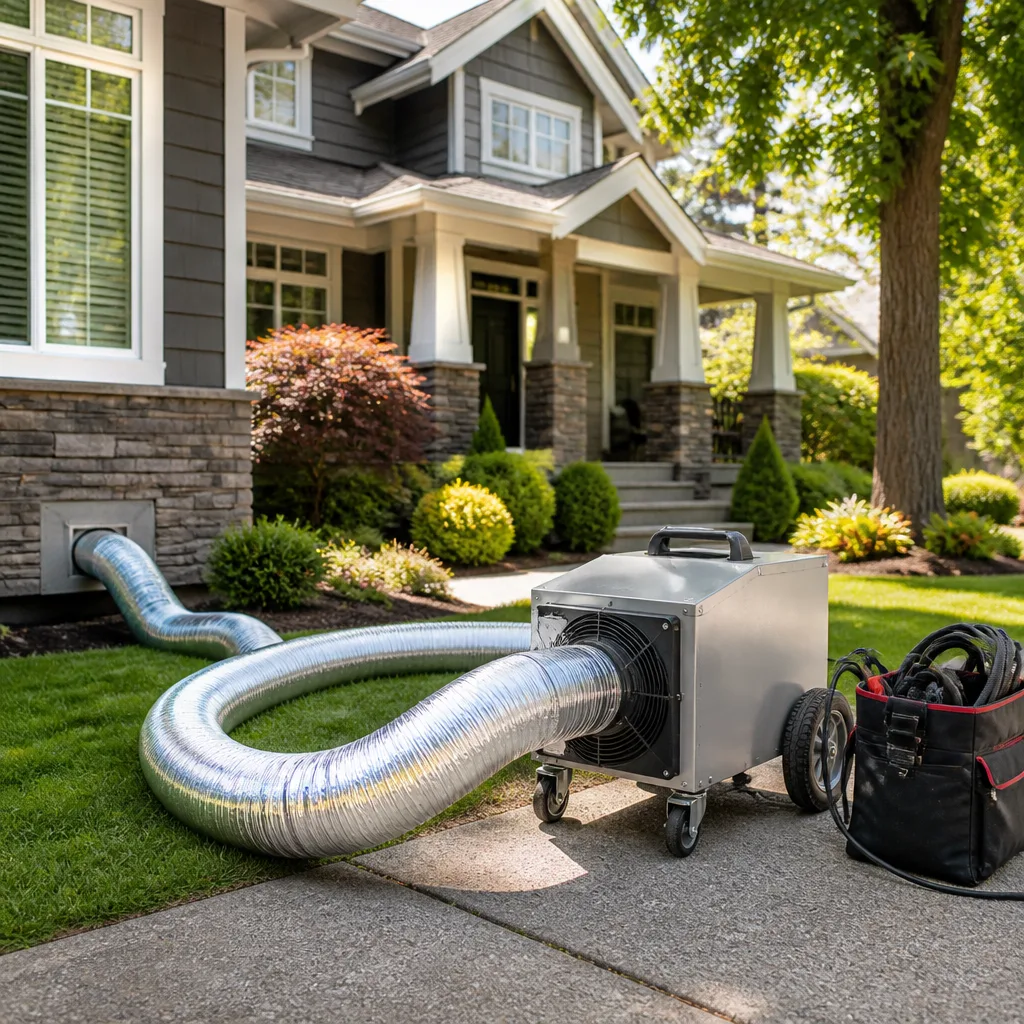 Whole-home duct cleaning
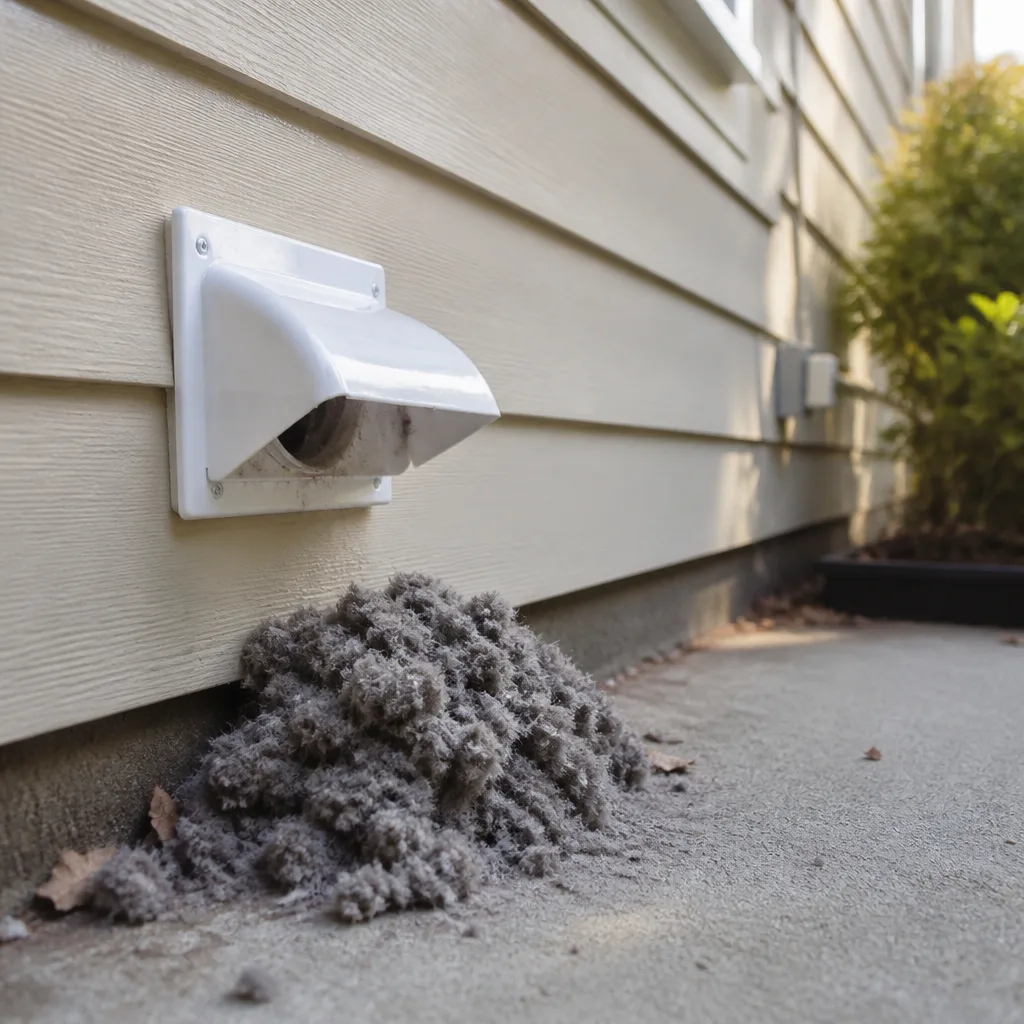 Dryer vent cleaning
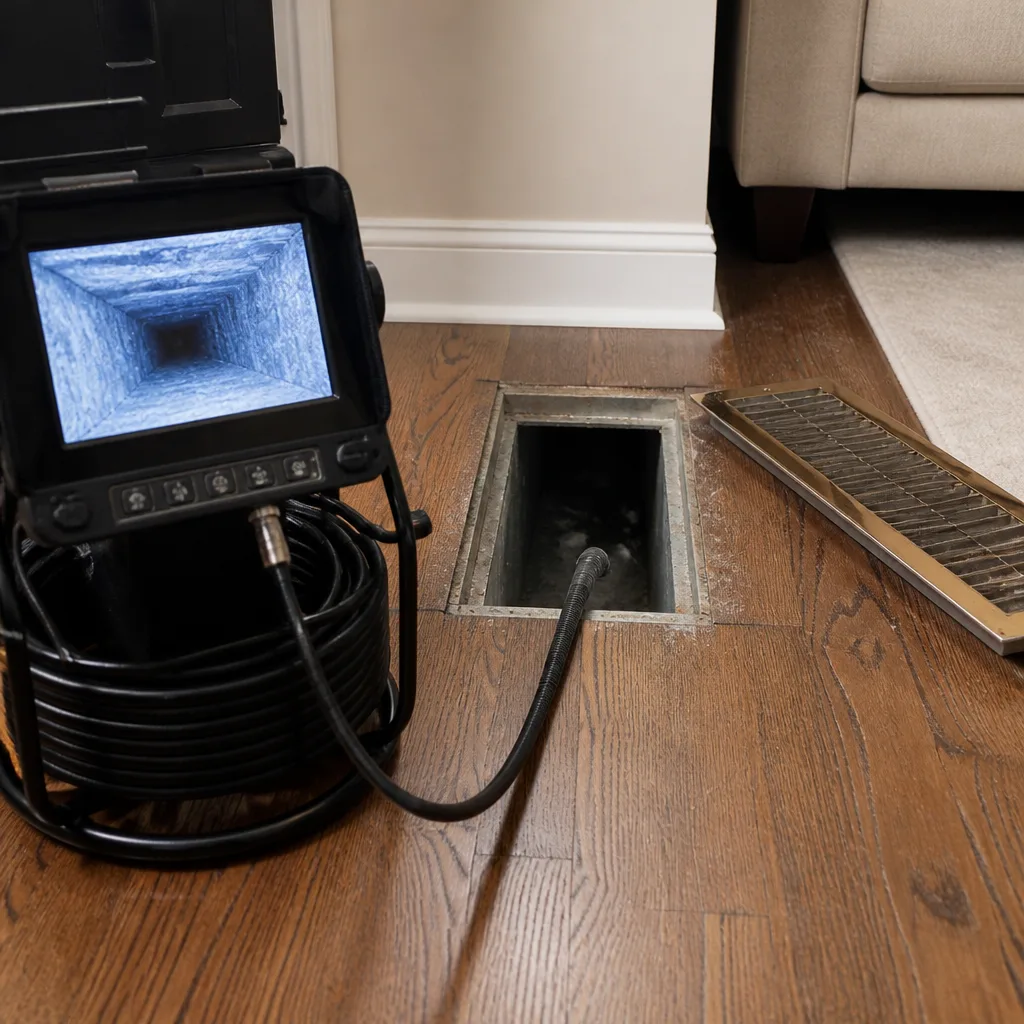 Camera inspection
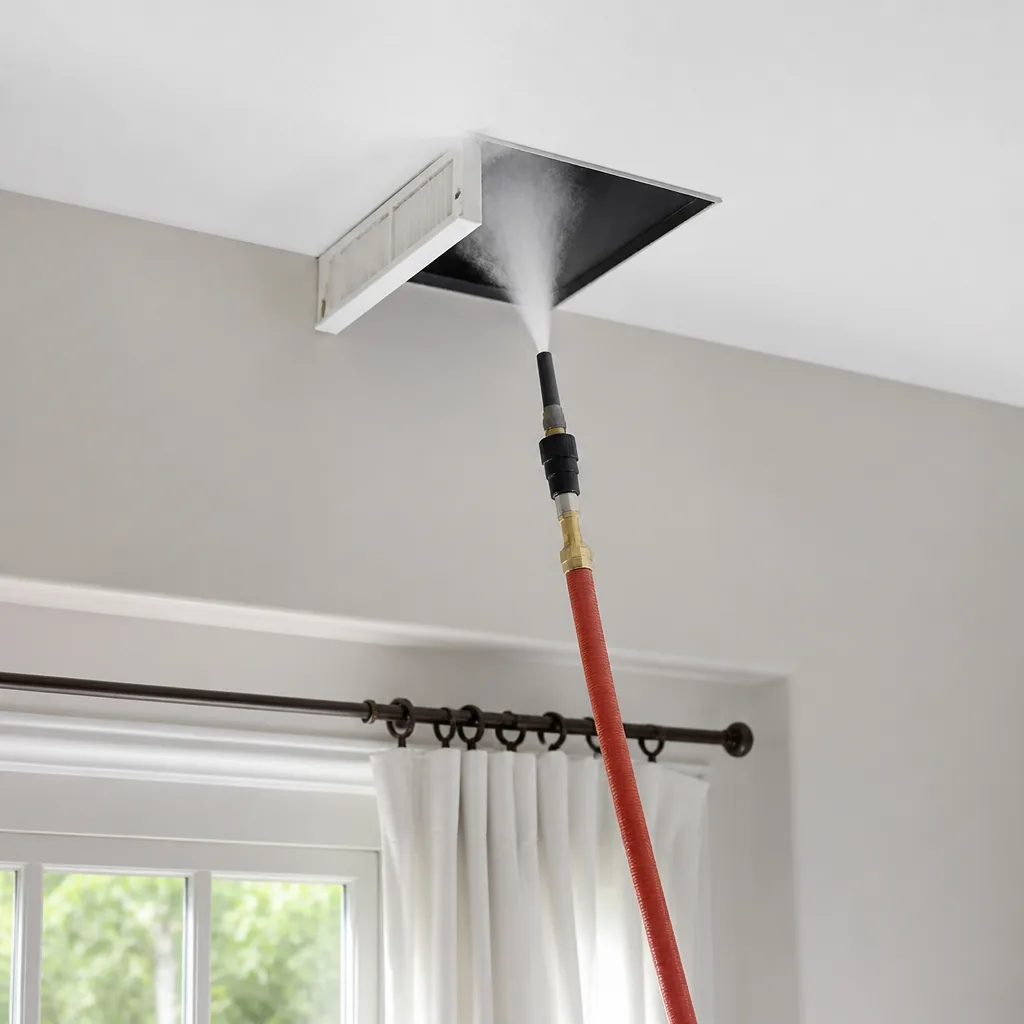 Sanitizing & deodorizing
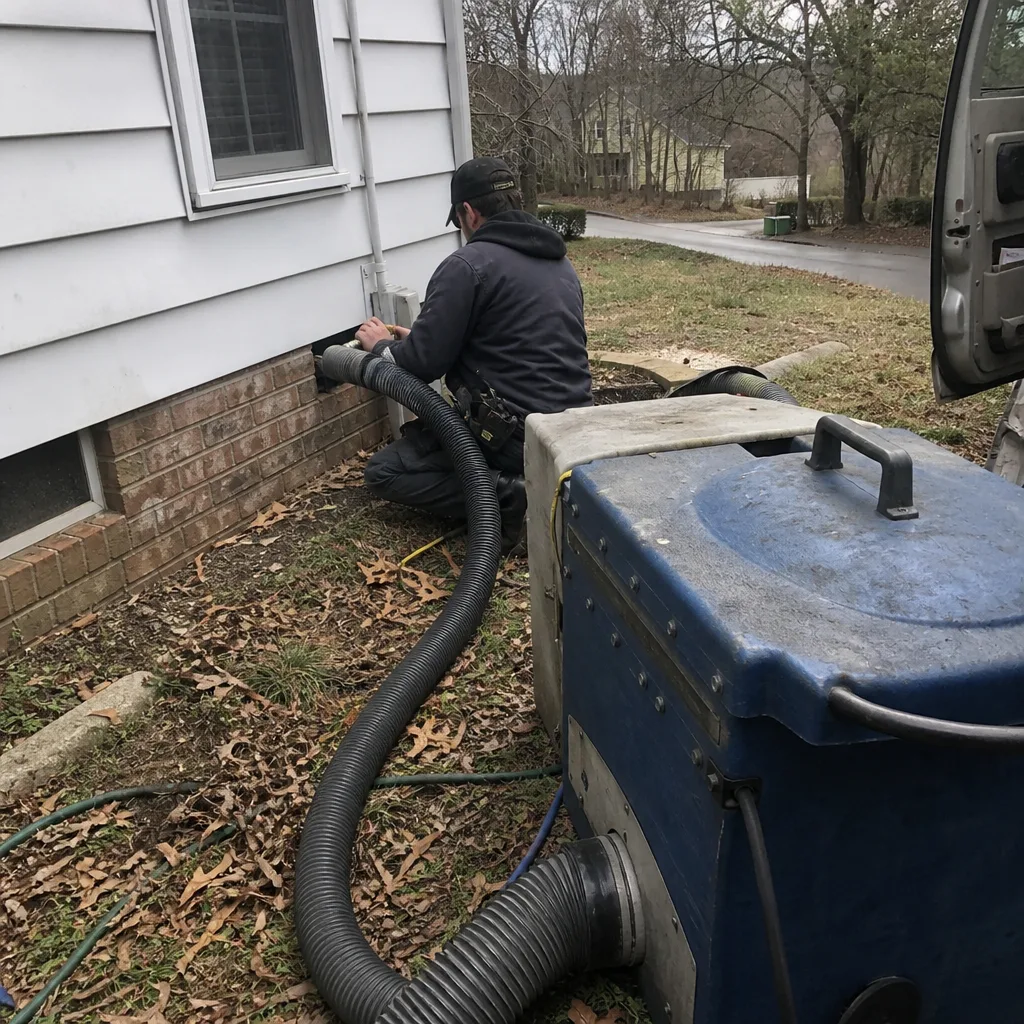
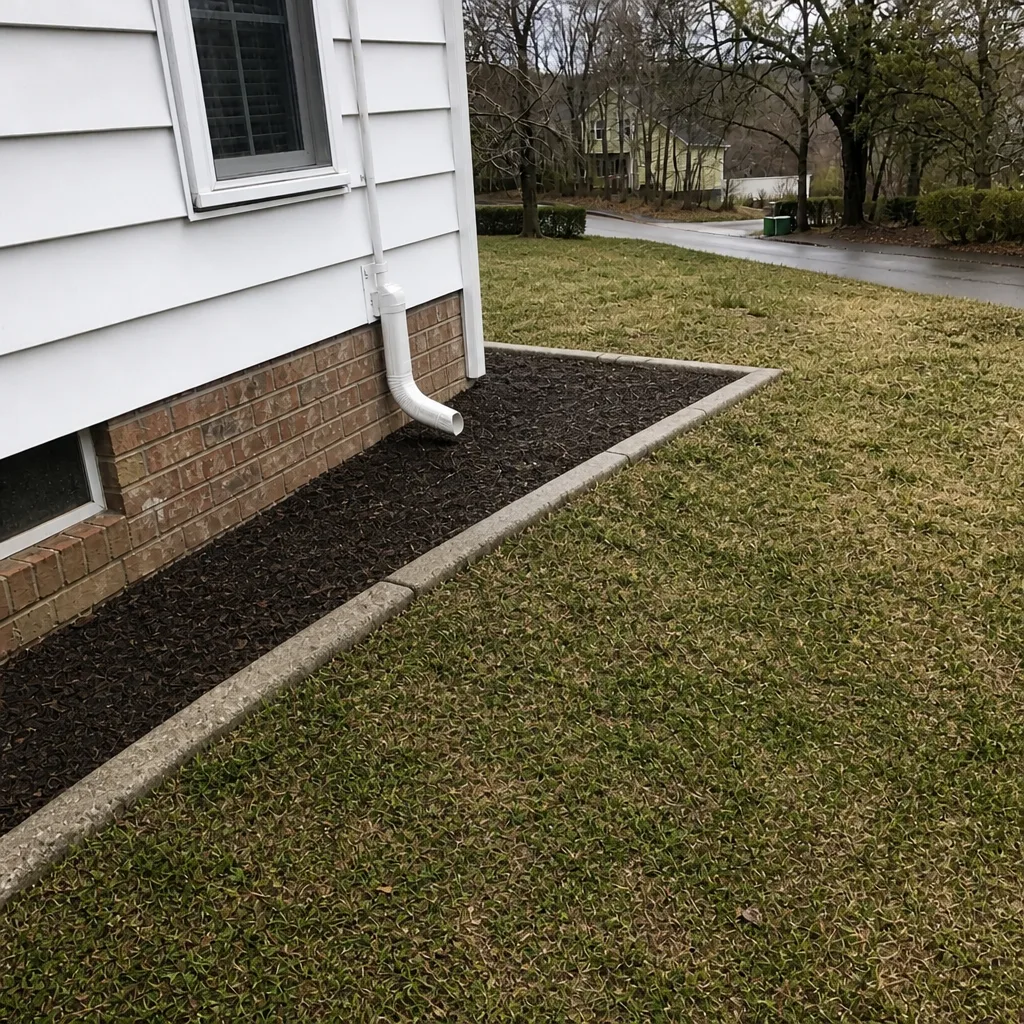
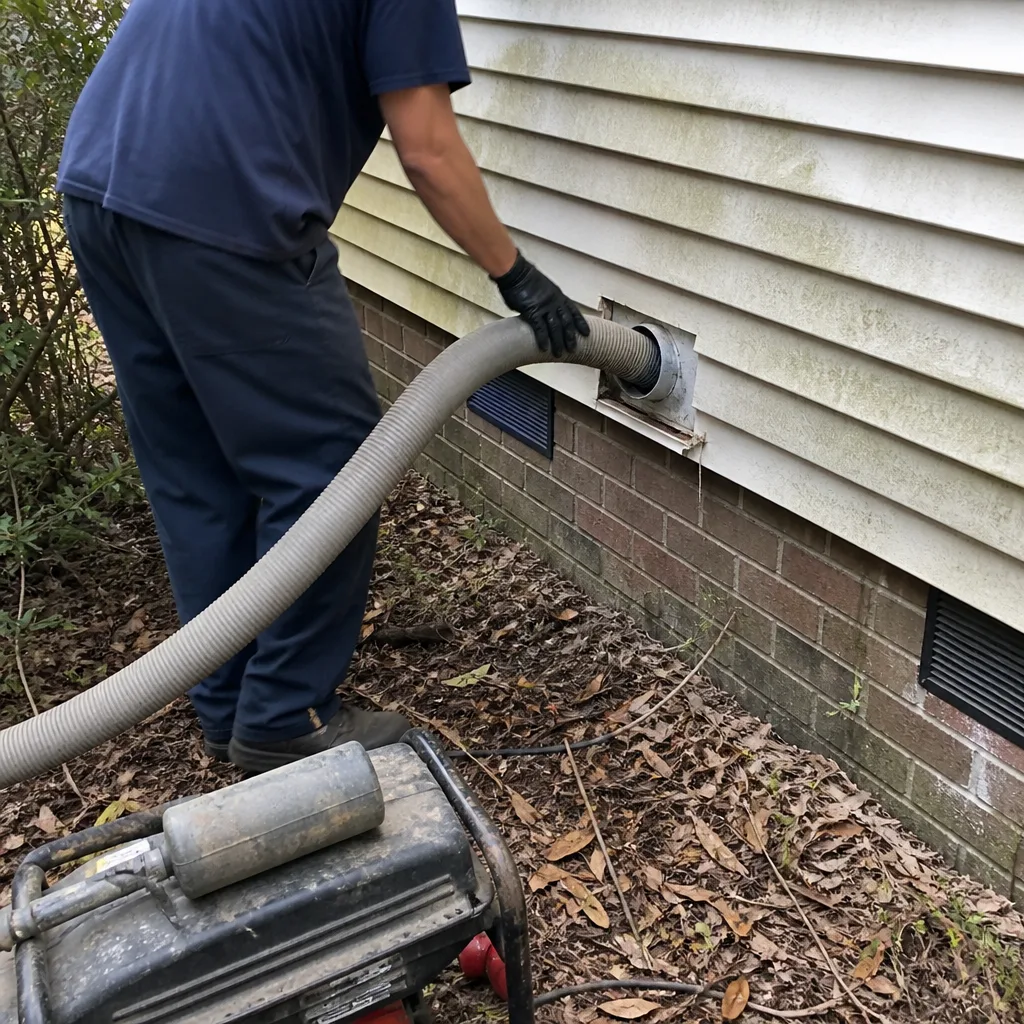
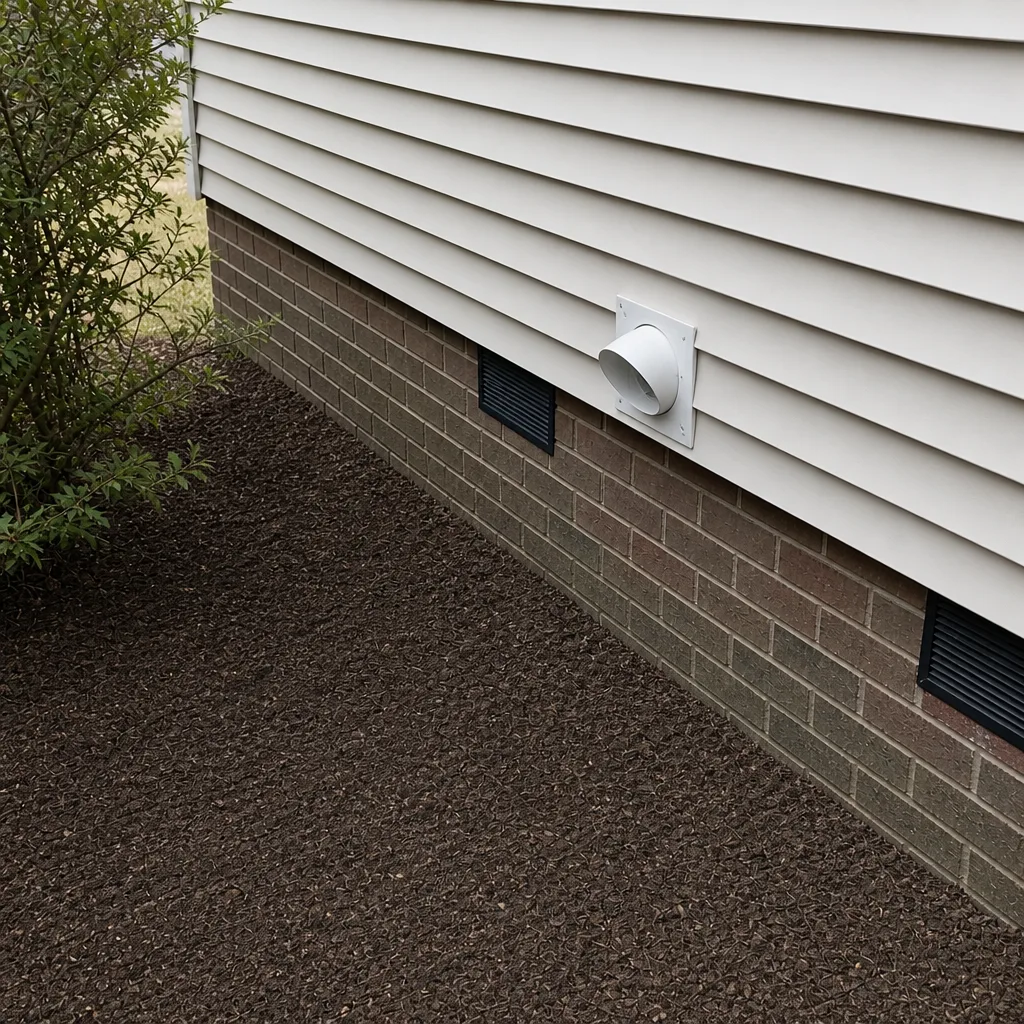
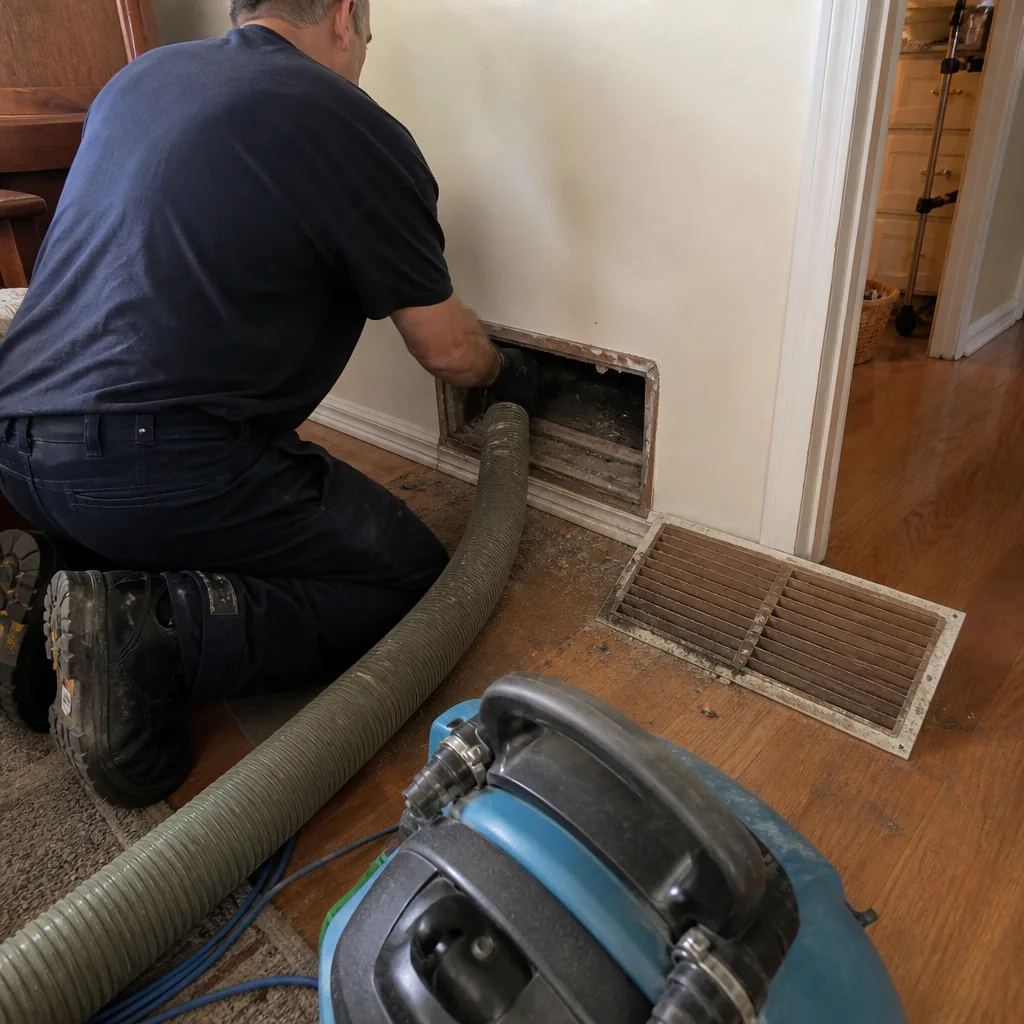
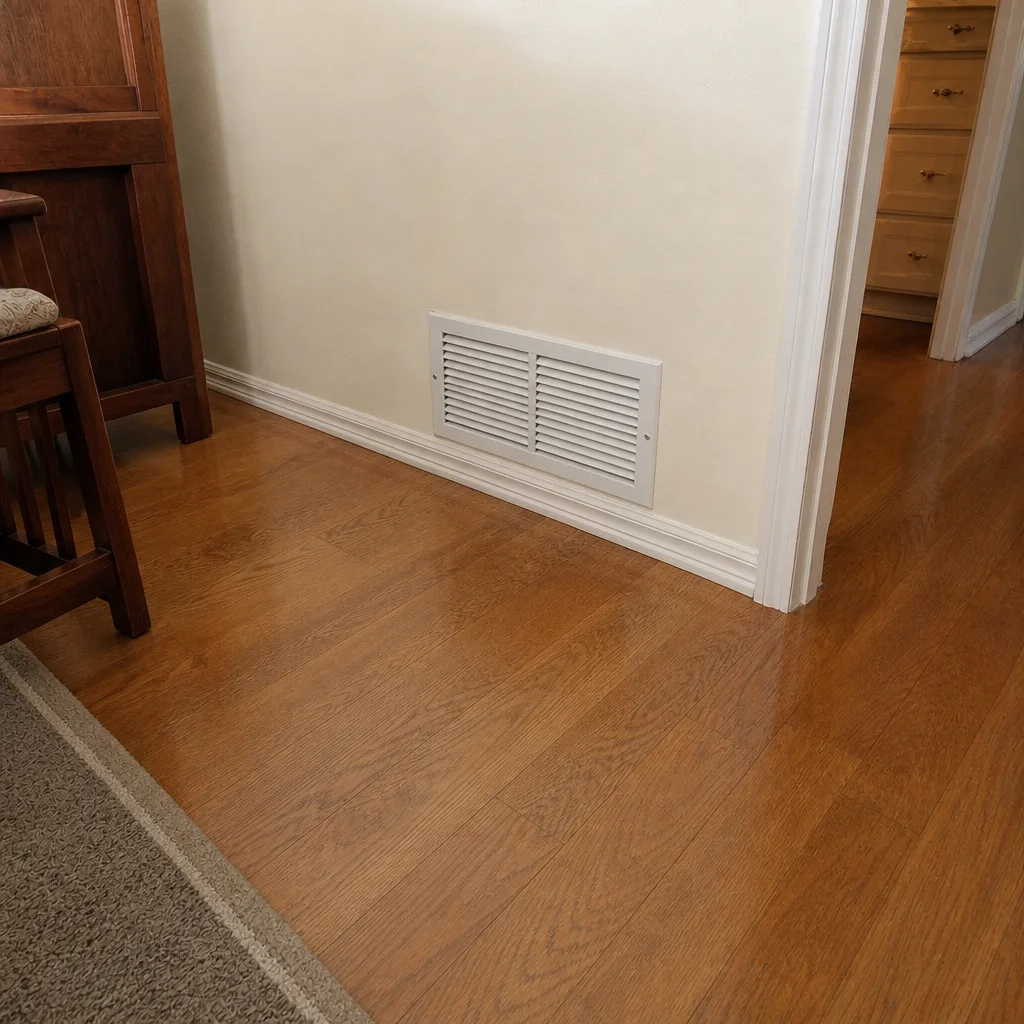
Whole-system duct and dryer vent check with before-and-after photos - you see exactly what came out of your vents
That "$99 whole-house special" is a bait ad - the real number appears once they are in your hallway, or the "clean" is a shop-vac at the register. We photograph the inside of your ducts before and after instead.
Air Duct Cleaning Cost Breakdown: The Wilmington Homeowner’s Reference for 2026
A $149 duct cleaning quote and a $750 duct cleaning quote can describe the same words on two different invoices. What they don’t describe is the same job. One is a surface pass over the supply registers; the other covers the entire system, return side included, with real negative pressure and containment. The Wilmington homeowner who doesn’t know the difference is the one who books twice, paying once for a token visit and again for someone to actually do the work. This guide breaks down what you’re paying for at every price tier in the 2026 Wilmington market, what drives quotes up or down in our local housing stock, and how to read a bid so you’re comparing scopes instead of numbers.
Quick Answer
Air duct cleaning in Wilmington typically runs $350 to $750 for a whole-system residential cleaning, with larger multi-zone homes and heavily contaminated systems reaching $900 to $1,200 or more. The single biggest driver of that range is scope, not square footage: whether the return side, air handler, and trunk line are included, and whether the setup allows proper negative-pressure containment. Any quote under about $200 is almost always a per-vent teaser that covers supply registers only.
Styles & brands we work with
- Whole-home duct cleaning
- Dryer vent cleaning
- Camera inspection
- Sanitizing & deodorizing
Table of Contents
- What Does “Per Vent” Pricing Actually Cover?
- What Drives Duct Cleaning Cost in Wilmington Homes
- 2026 Wilmington Market Rate Ranges by System Size
- Why Equipment Quality Sets the Real Price Floor
- Add-On Services Decoded: Sanitizer, Sealing, Repairs
- How a Proper Whole-System Cleaning Actually Goes
- How to Spot a Bait-and-Switch Quote
- Common Mistakes to Avoid
- When to Call a Professional
- Frequently Asked Questions
What Does “Per Vent” Pricing Actually Cover?
Per-vent pricing in Wilmington usually runs $25 to $45 per vent, and it covers the least contaminated part of your system. That’s the core problem with it. A typical home has 10 to 16 supply registers, which puts the advertised total somewhere between $250 and $500 before anyone sets foot inside. The number sounds cheap because the scope is thin. Here’s what a per-vent quote almost always leaves out:
- Return-side cleaning. Return ducts and the return grille pull unfiltered air back to the air handler, so they tend to carry more dust load than supplies. Excluding them means the dirtiest half of the system stays untouched.
- Air handler cleaning. The blower wheel, evaporator coil, and drain pan sit downstream of every duct in the house. A per-vent sweep doesn’t open the unit.
- Trunk line cleaning. The main rectangular or round trunk that feeds every branch run is where settled debris accumulates. Per-vent pricing rarely includes it.
- Duct repair. Disconnected flex joints, crushed runs, and leaking seams show up in most older Wilmington homes. Per-vent pricing is cleaning only, with repair billed separately, if the company offers it at all.
- Proper containment. Negative-air machines and HEPA filtration cost money to run. Teaser pricing doesn’t fund them.
So when you see a whole-home price advertised at $99 or $149, ask a specific question: which components are on that invoice? In our experience, the answer narrows to the supply registers and nothing else. That isn’t a discount on the real job. It’s a different service wearing the same name.
What Drives Duct Cleaning Cost in Wilmington Homes
Two Wilmington homes of identical square footage can land at opposite ends of the price range, and the reason is usually access. The layout of a house matters far more than its floor plan on a listing sheet. The specific variables that move a quote:
- Attic versus crawlspace installation. Most Wilmington-area homes run ducts through the attic or a conditioned crawlspace. Attic runs mean working in tight, hot, low-clearance spaces for hours. A clean, walkable attic with a clear path to every branch is faster and cheaper than a low-pitch space packed with plumbing and wiring.
- Duct material. Flex duct is quick to clean with a rotary brush. Rigid metal trunk and branch duct takes more setup and more care, and older homes may have a mix of both. Mixed systems add time because the tooling changes.
- Linear footage of trunk line. A long central trunk feeding two wings of the house takes longer to clean thoroughly than a compact layout. Square footage doesn’t capture this; footage of actual ductwork does.
- Contamination level. Homes with pets, recent renovation dust, or years of skipped filter changes take longer. That’s real labor, and a fair price reflects it.
- System size and zonal count. Two HVAC systems or a zoned setup doubles the equipment setup and the time on site.
- Access to the air handler. A unit in a closet with a clear return plenum is fast to open. A unit wedged into an attic corner behind a knee wall takes longer.
Wilmington’s humid summers and the pollen that comes with the spring and fall transition mean filters load up faster here than in drier climates. Homes with pets or a lot of yard-side foot traffic tend to hit the top of a price range because there’s simply more to remove. That’s not an upsell; it’s time on the clock.
2026 Wilmington Market Rate Ranges by System Size
These are the whole-system ranges we’d expect a thorough, properly equipped job to land in across the Wilmington market for 2026. They’re estimates, not quotes, and the written estimate always sets the final price. Every tier below assumes the full system: supply, return, trunk, and air handler.
| System Size | Typical Range | What Moves It Low | What Moves It High |
|---|---|---|---|
| Single system, up to 1,400 sq ft | $350 – $500 | Clean flex duct, easy attic access, no pets | Heavy contamination, tight access, mixed duct material |
| Single system, 1,400 – 2,400 sq ft | $450 – $750 | Compact layout, clear path to every branch | Long trunk line, pet dander, recent renovation dust |
| Single system, 2,400 – 3,200 sq ft | $650 – $950 | Straightforward branch runs | Zoned layout, multiple return trunks, difficult crawlspace access |
| Two systems or zoned setups | $900 – $1,200+ | Both units accessible and clean | Second unit in a hard-to-reach attic, heavier loads in both |
| Repair add-on (per issue) | $150 – $400 | Single disconnected flex joint | Catastrophic branch reroute or trunk collapse |
| Sanitizer application (whole system) | $100 – $250 | Single system, straightforward | Multiple systems, full coverage |
The most important thing to notice in that table is the gap between the bottom row of the first tier and the top row of the fourth. It’s roughly a factor of three, for the same words on an invoice. Size and contamination are what separate them.
Why Equipment Quality Sets the Real Price Floor
A thorough duct cleaning has a hard floor on price, and the floor is set by equipment. A portable shop-vac with a brush costs a few hundred dollars and runs all day on a standard outlet. A truck-mounted negative-air setup pulls far more volume but costs far more to operate, which is why companies that own it simply can’t quote $99 and still clean your whole system. The equipment we bring to your home is a rotating brush platform like a Rotobrush, a HEPA-rated vacuum like a Nikro, and, for jobs that need it, an Abatement Technologies negative-air machine pushing containment in the home while the system stays under vacuum. Proper containment, real suction, and a rotating brush that actually agitates the duct wall in one pass.
Here’s what that means for your quote:
- Suction volume matters more than brush length. A brush that scrubs but a vacuum that can’t move the loosened debris is doing half the job. Negative pressure keeps the dust in the system while the brush knocks it loose.
- HEPA filtration is the difference between cleaning and cross-contamination. A HEPA-rated vacuum traps the fine particles that a standard shop-vac blows back into the room.
- Containment protects the rest of your home. Negative-air machines keep the work zone under pressure so dust doesn’t migrate into living spaces during the job. This is standard practice in restoration and commercial work, and it belongs in residential jobs too.
- An informed operator recognizes the system. Familiarity with Honeywell and Aprilaire whole-home air quality components means the technician understands how the ducts, filter cabinet, and controls interact, not just how to run a brush down a tube.
That’s the real reason a proper job costs what it costs. You aren’t paying for a name or a coupon. You’re paying for a machine that pulls the debris out and a filter that catches it.
Add-On Services Decoded: Sanitizer, Sealing, Repairs
Add-ons are where the widest variation in quotes comes from, and where a legitimate specialist and a teaser-quote company part ways most visibly. Here’s a straight read on each.
Sanitizer or antimicrobial application
Worth it when there’s documented biological growth: visible staining on the coil or duct interior, a persistent musty odor that source-traces to the system, or a recent water intrusion that left the ducts damp. Not worth it on a dry, clean system where no growth is present. Ask the technician to show you the growth before they spray. If they recommend sanitizer without showing you evidence, treat that as upsell padding. In Wilmington’s humid climate, moisture in a crawlspace duct run can be a real issue, and sanitizer after a documented moisture problem makes sense. A “preventive” spray on a system that just passed inspection is a different animal.
Duct sealing
Sealing leaky duct joints is worth paying for when the leaks are measurable. Attic and crawlspace duct runs in this climate are prime candidates for gap and joint leakage, which pushes conditioned air into unconditioned space and pulls humid air back in. A leak test or a visual inspection can tell you if sealing is worth scheduling. This is different from duct cleaning itself, and a fair quote itemizes it separately.
Duct repair
Repair is the add-on most often needed on older Wilmington-area homes, and it’s the one that matters most. Crushed flex, disconnected branch runs, and separated joints all leak conditioned air and defeat the purpose of cleaning. Air Duct Repair offered alongside cleaning means one contractor handles both. The alternative is booking a second company, waiting for scheduling, and paying a second trip.
Filter upgrades and cabinet work
A high-MERV filter cabinet upgrade can be genuinely useful, but it should be driven by the system’s design and your comfort goals, not by a default add-on. Any technician who knows Aprilaire and Honeywell systems can walk through options. A shop without that familiarity is guessing.
How a Proper Whole-System Cleaning Actually Goes
The sequence of a real job is the best predictor of its price. What a thorough Wilmington duct cleaning looks like from arrival to walk-through:
- Pre-inspection and documentation. The technician walks the system, records the register count, notes duct material and condition, and identifies any obvious disconnects or damage. Before-and-after photos of your own ducts get taken here and again at the end.
- Containment setup. Negative-air equipment goes in place at the main return or the air handler, with HEPA filtration on the exhaust, so the work zone stays under pressure.
- Supply and return register coverage. Each supply and return opening gets opened to the branch and the trunk line gets accessed at the plenum.
- Rotary brush and vacuum pass. A rotating brush agitates the duct walls while the HEPA vacuum pulls loosened debris back to the collection point. Supply branches, returns, trunk, and the air handler each get their own pass.
- Air handler cleaning. Blower wheel, coil face, and drain pan get cleaned with the unit isolated from the duct system.
- Post-cleaning inspection. Component check, register reset, and a before-and-after walk-through with the homeowner.
- Repair items, if any. Disconnected branches, damaged flex, or crushed runs found during the job get quoted and scheduled. Single-issue repairs often land within $150 to $400.
A proper job runs three to five hours for a typical single-system home. A two-hour visit that leaves pet hair on the register faces and can’t produce photos of the interior duct is a different scope of work than the one above. If a quote promises the whole job in 90 minutes with a shop-vac in hand, the scope has shrunk.
How to Spot a Bait-and-Switch Quote
The classic pattern in this trade is a coupon price that grows legs once the technician is inside the house. The setup: a low advertised number, a visit, a “discovery” of contamination, and a much larger invoice presented as the only path forward. The buyer has already committed time and the technician is already in the home. The pressure is real, and a fair company doesn’t create it.
What to look for in a quote you can actually compare:
- A flat price per system, agreed before work starts. Not per vent, not per register, not a teaser that expands once the technician is on site.
- Written scope on the invoice. Which components are included: supply, return, trunk, air handler. If any of those words are missing, ask.
- Before-and-after photos of your own ducts. Not stock photos, not a generic gallery. Your system, documented.
- Itemized add-ons. Sanitizer, sealing, and repair each on their own line with a price, not bundled into a vague total.
- Licensed and insured. Confirm coverage in writing.
Per-vent pricing isn’t the only red flag, just the loudest. Any quote that won’t list the scope in writing is asking you to trust a number without knowing what it buys.
Common Mistakes to Avoid
- Buying on the lowest number alone. The lowest bid in Wilmington is almost always the narrowest scope. Compare what’s included, not just what’s charged, or you’ll pay twice.
- Assuming “per vent” means the whole system. Ten registers at $35 each is $350 and still excludes the return, trunk, and air handler. Add those back and you’re in the normal range for a real job.
- Skipping the air handler. If the blower wheel and coil aren’t on the invoice, the biggest contamination source in the house is untouched.
- Paying for sanitizer without seeing the problem. Ask the technician to show you the growth or moisture issue. Reasonable application is documented; upsell padding isn’t.
- Booking a visit without asking about containment. A company that can’t describe negative-air machine setup is likely working with a shop-vac and a brush. Ask what equipment comes to the house.
- Waiting for a full system replacement to check for leaky ducts. Small disconnected flex runs in crawls and attics are easy to miss and quietly expensive on your energy bill. Have them checked before the system’s failure forces the issue.
- Forgetting the dryer vent. It’s a separate service with its own fire-risk profile, and it’s often skipped for years. If the last dryer vent cleaning here predates your memory, it’s due.
When to Call a Professional
Call a professional when you can see visible dust streaks around the supply registers, when a persistent musty odor follows the HVAC cycle, or when the air handler cabinet shows heavy dust and debris on the blower wheel. Call when someone in the household reports consistent irritation after the system kicks on, when the system has just come through a renovation that kicked up dust, or when a visible section of flex duct is crushed, disconnected, or torn. Call before a season change if the filter has been skipped for years. A professional inspection tells you whether the system needs cleaning, repair, or nothing at all. Wilmington Duct Cleaning offers free estimates in Wilmington. Call (855) 360-7068. We answer 24/7, with fast dispatch from 7am to 7pm, Sunday through Friday.
Frequently Asked Questions
Whole-system air duct cleaning in Wilmington typically costs $350 to $750 for a single-system home in 2026, and $900 to $1,200 or more for two-system and zoned setups. The range reflects scope (supply, return, trunk, and air handler all included) and the variables of the home, not a per-vent count. Any quote that won’t put that scope in writing is worth a second look. Call (855) 360-7068 for an exact quote. Estimates are free.
The cheap quotes are almost always a narrower service: supply registers only, no return, no air handler, no proper containment. A $99 or $149 quote can’t fund a truck-mounted negative-air setup and three to five hours of labor, so it doesn’t. The two invoices share a name but not a scope. Compare what’s included and the price gap makes sense. Call (855) 360-7068 and we’ll walk through what a full-system estimate covers in your home.
Ask for before-and-after photos of your own ducts, not a generic gallery. A thorough job documents the interior of the ducts and the air handler before and after cleaning, and you should see the difference yourself. The equipment we bring includes HEPA-rated vacuum systems and negative-air machines, so the suction is visible in the result. Call (855) 360-7068 for a free estimate.
Most homes here go three to five years between cleanings, though pets, recent renovations, or chronic filter skipping can shorten that. Homes near heavy pollen and yard traffic may need it every two to three years. The right interval is based on what’s in the system, not a clock on the wall. Have it inspected and let the evidence set the schedule. Call (855) 360-7068 to book an inspection.
Not by default. Dryer vent cleaning is a separate service focused on the exhaust line between the dryer and the outside vent, which carries lint build-up and a documented fire risk that merits its own attention. Treating it as a standalone service is the right approach rather than bolting it on as an upsell. Call (855) 360-7068 to schedule either service.
Sometimes, especially in older Wilmington-area homes with flex duct in attics and crawls. Disconnected branches, crushed runs, and separated joints show up during inspection, and repair pricing typically lands in the $150 to $400 range per issue. Our Air Duct Repair service runs alongside cleaning so you aren’t referred to a second contractor. Call (855) 360-7068 to schedule an inspection first.
The Bottom Line
The gap between a $149 quote and a $750 quote in Wilmington is a gap in scope, not a bargaining opportunity. A legitimate whole-system cleaning in 2026 runs $350 to $750 for a single system and $900 to $1,200 or more for two-system homes. That price covers supply, return, trunk, and air handler with real negative-pressure containment and HEPA filtration, and it’s agreed as a flat price per system before work begins. Add-ons like sanitizer, sealing, and repair are priced itemized, documented with photos of your own system, and sold only when the evidence supports them. Any quote that won’t put the scope in writing, and any price that grows once the technician arrives, is a tell. The rest is arithmetic.
Ready for a real number on your home? Call (855) 360-7068 for a free estimate from Wilmington Duct Cleaning. We answer 24/7, with fast dispatch from 7am to 7pm, Sunday through Friday. Cleaning, repair, and prevention in one visit, with the equipment and documentation to prove the work was done.
Written by the team at Wilmington Duct Cleaning.
See the difference
 Before
 After
 Before
 After
 Before
 After