
Last updated November 15, 2026
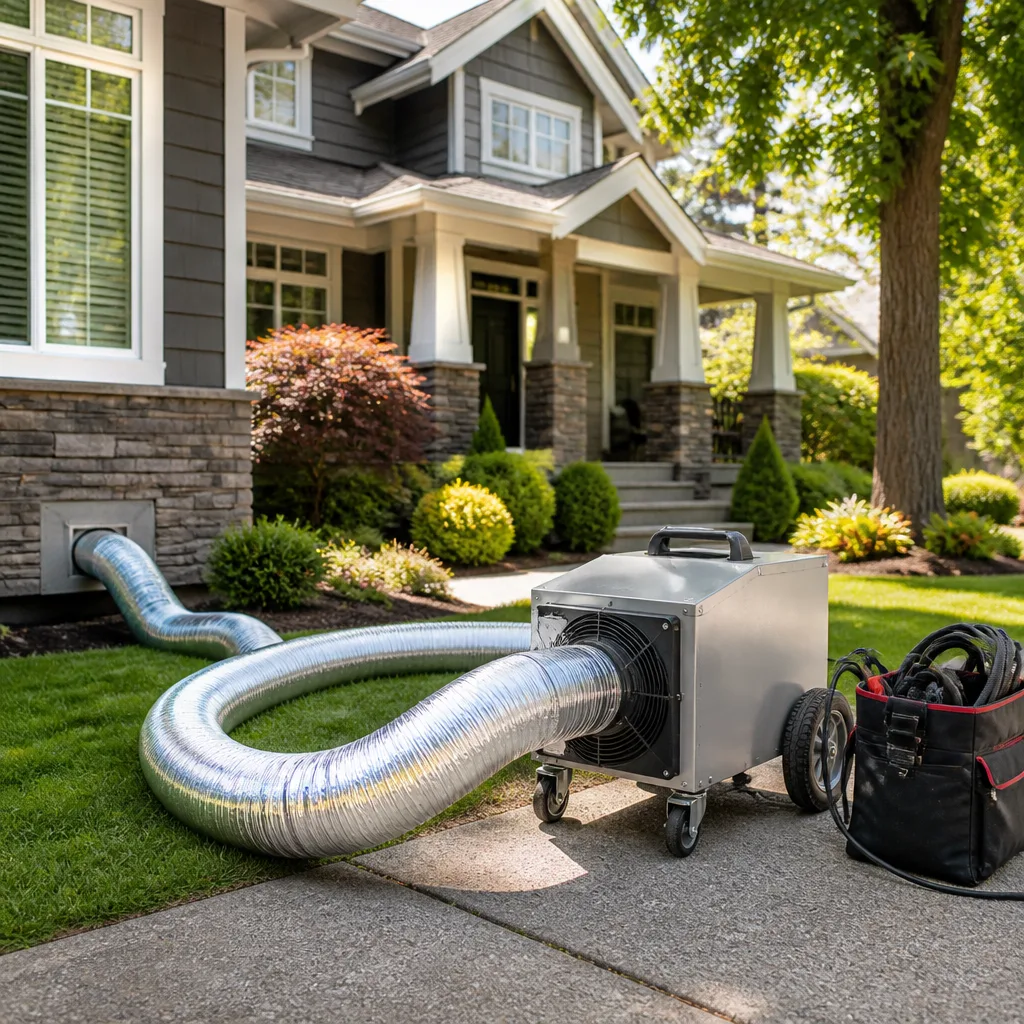 Whole-home duct cleaning
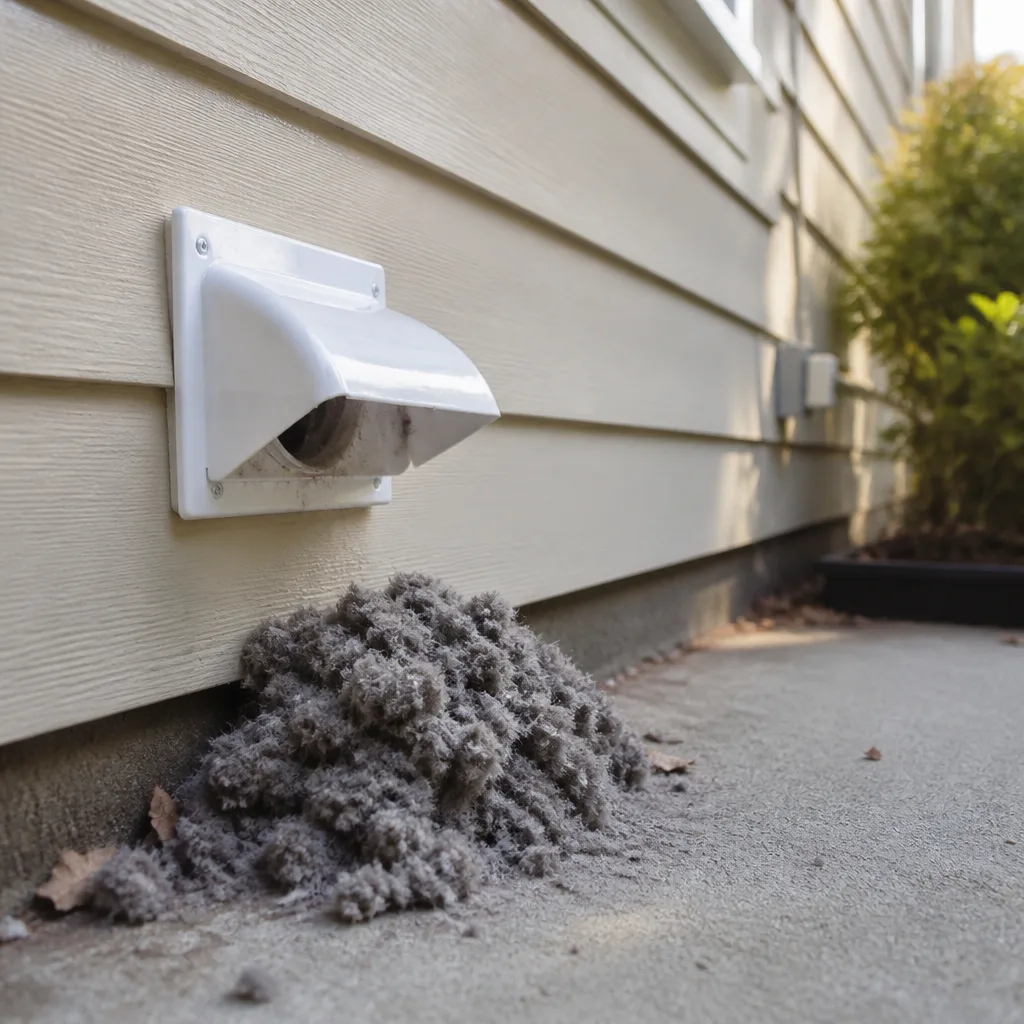 Dryer vent cleaning
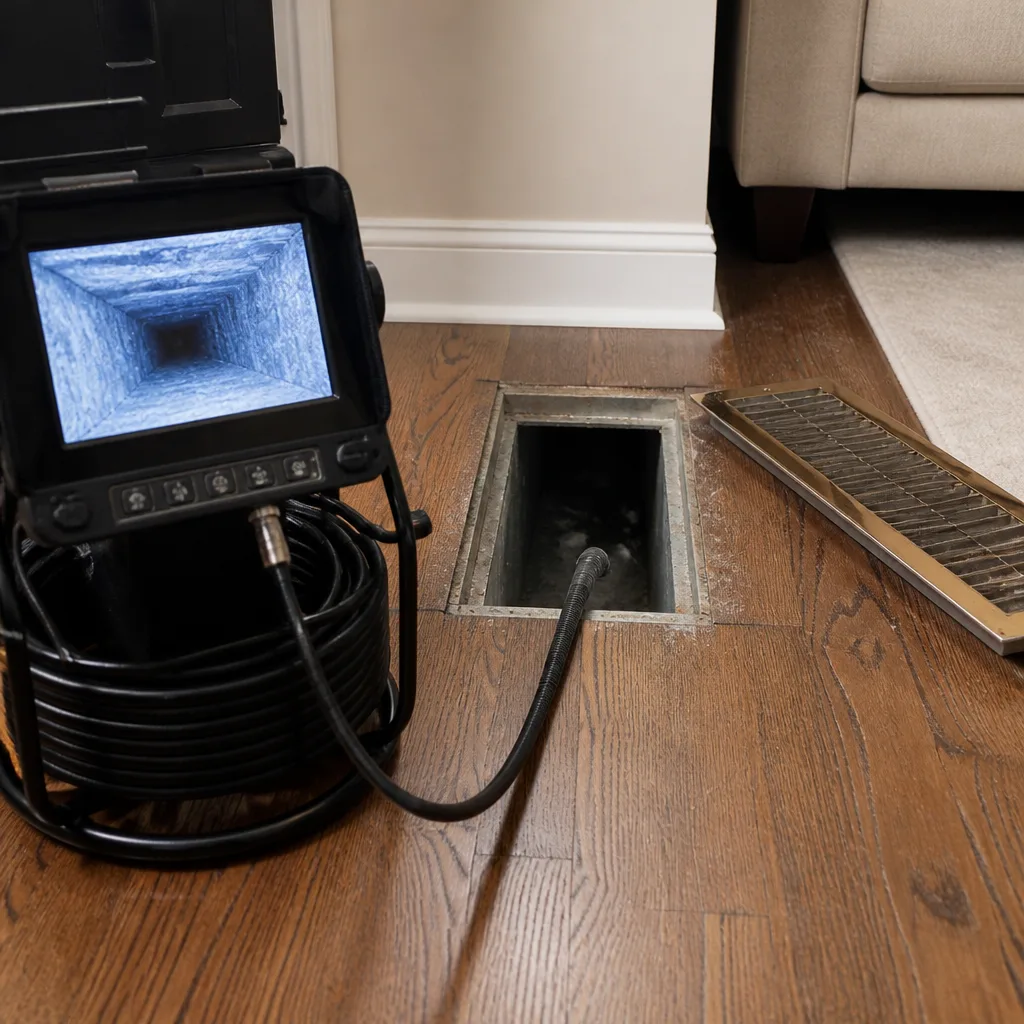 Camera inspection
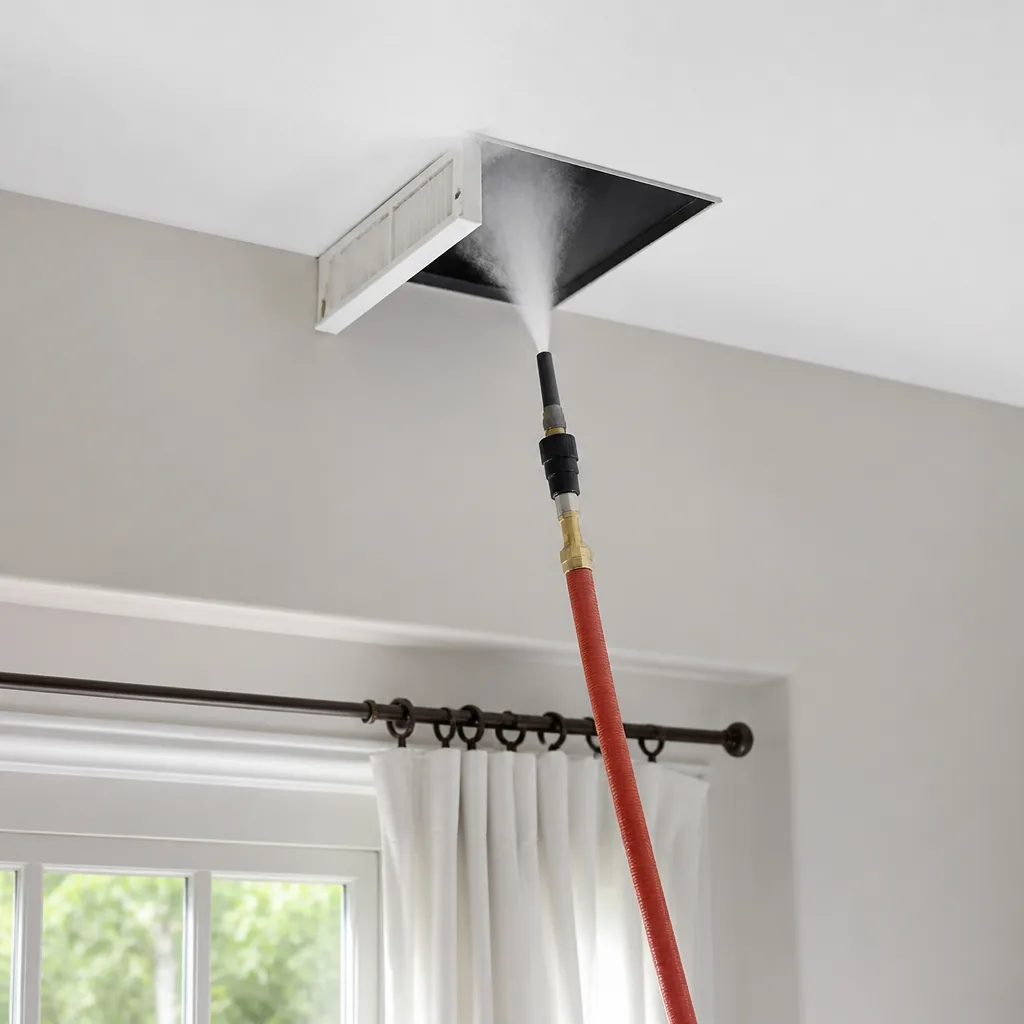 Sanitizing & deodorizing
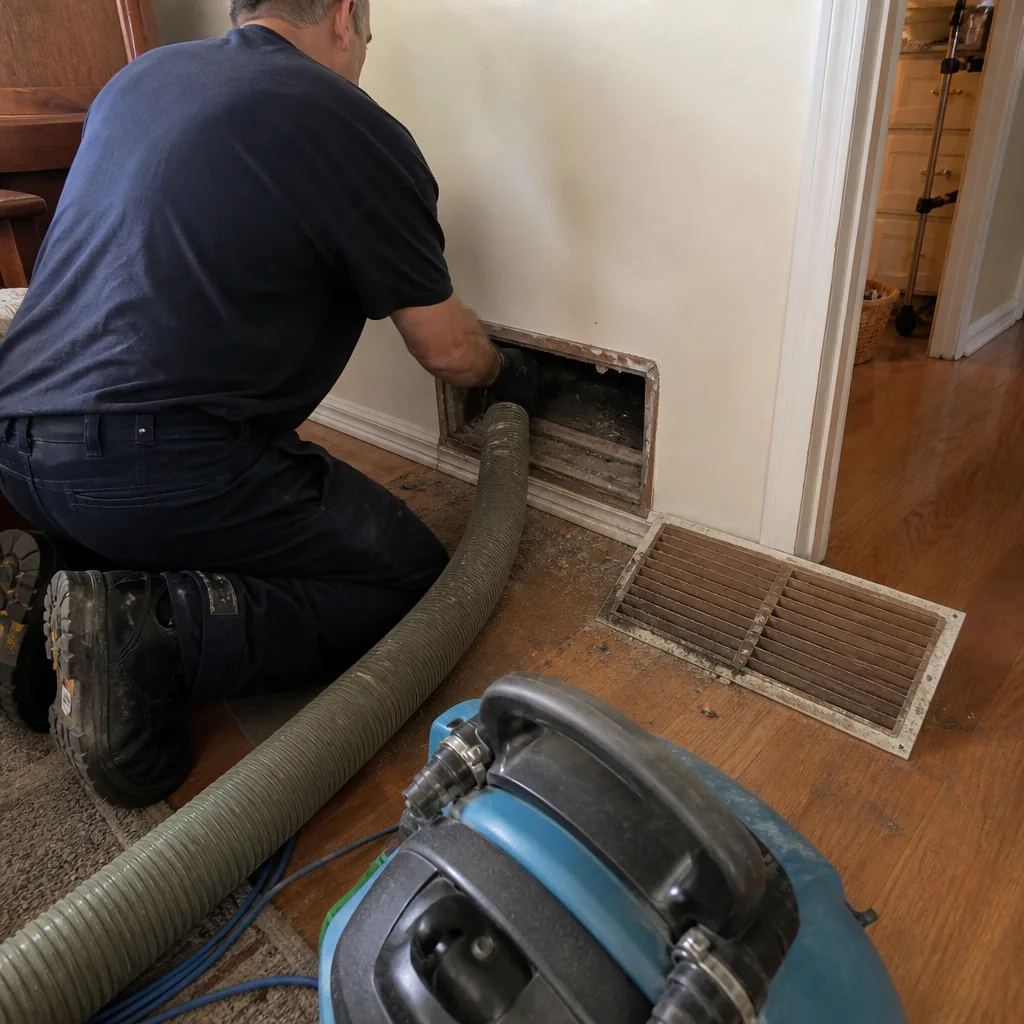
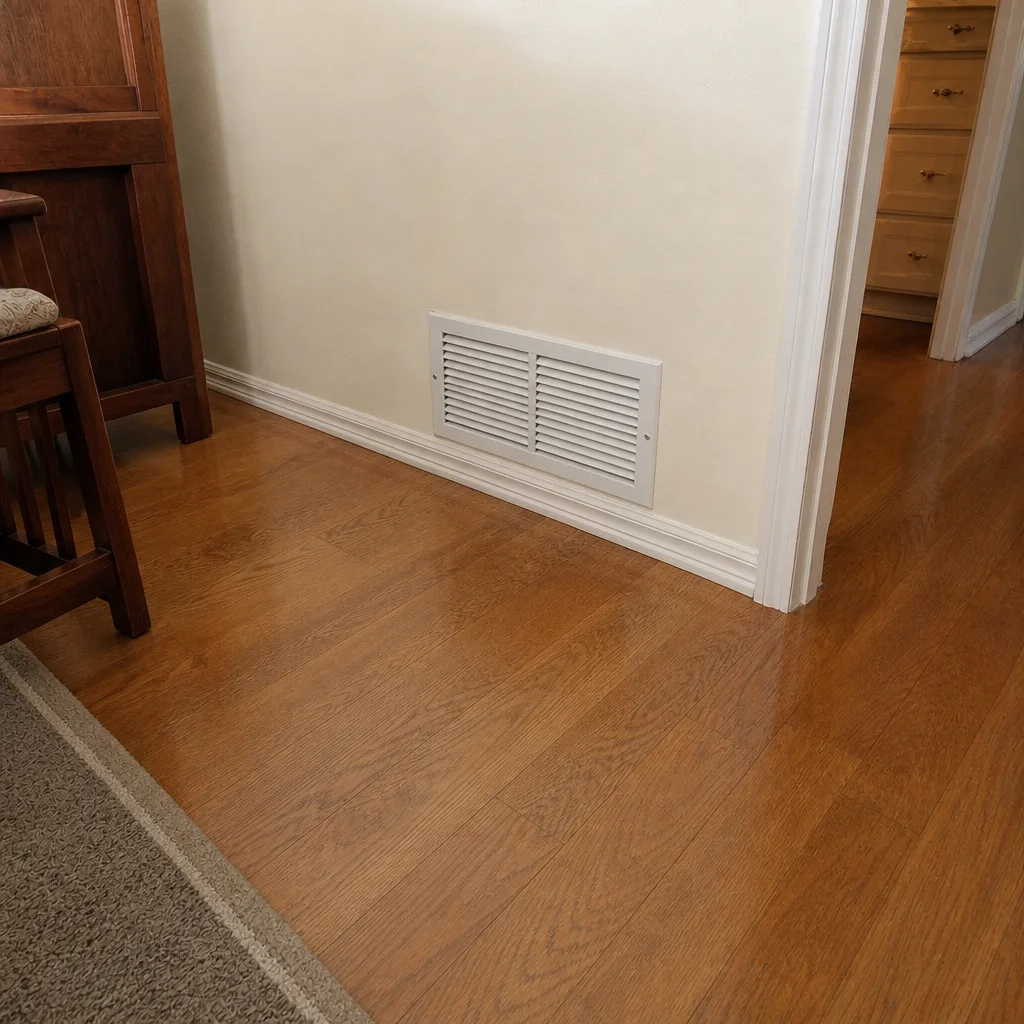
Whole-system duct and dryer vent check with before-and-after photos - you see exactly what came out of your vents
That "$99 whole-house special" is a bait ad - the real number appears once they are in your hallway, or the "clean" is a shop-vac at the register. We photograph the inside of your ducts before and after instead.
Air Duct Cleaning Permits, Codes & Inspections in Wilmington, NC: What You Need to Know
A technician tells you the flex duct in your attic is badly collapsed and needs replacing. The quote is on the table, the weather is hot, and the last thing on your mind is paperwork. But here’s the part almost no homeowner asks in that moment: does duct replacement require a permit in Wilmington? Often, it does. Routine cleaning usually doesn’t. Repair and replacement of the duct system is a different category of work, and the line between the two matters more than most people realize. This guide draws that line clearly, explains what inspectors actually look at, and shows you how to verify a contractor before any mechanical permit gets pulled on your home.
Quick Answer
Air duct cleaning alone does not require a permit in Wilmington, NC, because it’s maintenance rather than a modification to the mechanical system. Duct repair, duct replacement, or any work that changes the distribution capacity of your HVAC system generally does require a mechanical permit under the North Carolina Residential Code, and mold remediation inside ducts can trigger a separate licensing requirement under NC General Statute 130A. Pulling the permit protects you at resale and keeps your insurance claim valid if a system failure causes damage later.
Styles & brands we work with
- Whole-home duct cleaning
- Dryer vent cleaning
- Camera inspection
- Sanitizing & deodorizing
Table of Contents
- Cleaning vs. Mechanical Work: Where Wilmington Draws the Line
- What the North Carolina Residential Code Says About Duct Work
- Mold Remediation Inside Ducts and the NCGS 130A Question
- How to Verify a Contractor Is Licensed for Mechanical Work in Wilmington
- What Unpermitted Duct Replacement Means for Your Insurance Claim
- The Inspection Process: What an Inspector Actually Checks
- How to Prepare Your Wilmington Home for a Duct Inspection
- Permits and Documentation for Landlords and Property Managers
Cleaning vs. Mechanical Work: Where Wilmington Draws the Line
The simplest way to think about it: cleaning leaves the system as it was, only cleaner. Mechanical work changes the system. The first category is maintenance. The second is construction, and construction needs a permit.
In our experience, homeowners in neighborhoods like Landfall, Mayfaire, and Ogden often get this confused because a single service visit can include both. A technician arrives to clean the ducts, discovers a disconnected run in the attic, and offers to repair it in the same trip. That offer is reasonable. What matters is whether the repair itself gets permitted when the scope crosses into system modification.
Here’s a practical breakdown of what typically falls on each side:
- No permit usually required: routine cleaning of the duct interior, register and grille cleaning, replacing a filter, sealing a small accessible leak with mastic, and general debris removal.
- Permit generally required: replacing a section of flex duct, reconfiguring duct runs, resizing ductwork, adding or removing a supply or return, and any change that alters airflow distribution to the rooms of the house.
- Depends on scope: repairing a single disconnected joint versus replacing an entire trunk line. A small reconnect may be treated as maintenance; a full run replacement is mechanical work.
The distinction isn’t academic. It affects what records exist on your home, what an appraiser sees, and what a buyer’s inspector will flag during a sale. We always recommend asking the contractor to state, in writing, whether the proposed work requires a permit and, if so, who is pulling it. That one question eliminates most of the ambiguity. It also keeps the job honest, because a contractor who knows they’ll be inspected works differently than one who won’t be.
For homeowners who want the cleaning side handled first, our air duct cleaning service covers the maintenance category. Repair work is scoped and permitted separately when it’s needed.
What the North Carolina Residential Code Says About Duct Work
The North Carolina Residential Code addresses duct systems in Chapter 16, the mechanical chapter. Section M1601 governs duct construction and installation, and it’s the section local inspectors cite when they’re deciding whether a job is maintenance or mechanical work. If your duct system is being installed, altered, or replaced in a way that affects its capacity to deliver conditioned air, M1601 applies, and a mechanical permit is typically the mechanism by which the code gets enforced.
The core principle behind M1601 is that duct systems must be designed, installed, and sized to deliver the required airflow. That’s why a pure cleaning doesn’t trigger it. Cleaning leaves the capacity of the system unchanged. Replacing a collapsed run, adding a branch, or re-routing a duct to a room that’s been too hot since a renovation absolutely does change capacity, and that’s when the code kicks in.
The New Hanover County inspections and permitting process is where this plays out in practice. Permits are issued through the county’s permitting department, and mechanical permits for residential duct work are inspected by a mechanical inspector. In our experience, the process is straightforward when the contractor knows the code and disorganized when they don’t. The inspector’s job is to confirm three things: that the work matches the permitted scope, that the duct material and installation meet code, and that the system is properly sealed and supported.
Two parts of M1601 worth knowing before you sign anything:
- Duct material and rating: flex duct, rigid duct board, and sheet metal all have specific installation requirements, including support spacing and the use of approved tapes and mastics at joints. A permit means these get checked.
- Sealing requirements: duct systems serving conditioned spaces must be sealed at joints and penetrations. An unpermitted replacement that skips sealing will often pass visual muster but fail a pressure test if one is ever required.
If your Wilmington home was built or renovated before the current code cycle, some of the existing ductwork may already be non-compliant. A permitted repair is an opportunity to bring that section up to standard, which is one reason we treat repair work as a scoped job rather than a quick patch. For a broader overview of what we do, our Wilmington duct cleaning service page covers the full scope.
Mold Remediation Inside Ducts and the NCGS 130A Question
Here’s where the permit question gets more serious. Cleaning mold off the visible surfaces of a register is one thing. Remediating mold growth inside a duct system that has been colonized because of a moisture problem is another, and North Carolina treats it as a separate activity under NC General Statute 130A.
NCGS 130A is the statute that gives the state authority over public health matters, and the mold remediation provisions in it set licensing requirements for anyone performing mold remediation as a business. In practice, that means a duct cleaner who is not licensed for remediation should not be doing mold remediation inside your ducts. They can clean the ducts, remove the debris, and improve the airflow. They can’t legally remediate established mold growth in the system.
So where’s the line? Roughly:
- Cleaning: removing dust, debris, and surface contamination from ducts. This is what a duct cleaning service does.
- Remediation: addressing active mold growth, including removing contaminated materials, treating surfaces with approved agents, and verifying that the problem has been corrected. This requires the appropriate licensing.
- Root cause correction: fixing the moisture source, which might be a disconnected duct pulling humid attic air, a condensation problem on the coil, or a return duct that’s drawing from a damp crawlspace. This is where our repair capability comes in.
In our experience, most mold growth inside Wilmington ducts traces back to a moisture problem that’s been ignored. A run of flex duct in an unconditioned attic that sags and collects condensation, or a return line that pulls air from a humid crawlspace, both create the conditions for growth. Cleaning without fixing the source is temporary. If you smell something musty when the system starts, that’s your cue to get a proper assessment before you agree to a cleaning.
We’ve seen this repeatedly in older Wilmington homes where ductwork was installed during an addition and never properly sealed to the main system. The mold was the symptom. The unsealed joint was the cause. For homeowners in that situation, the right sequence is assessment, repair, then cleaning, not the other way around.
How to Verify a Contractor Is Licensed for Mechanical Work in Wilmington
The North Carolina Licensing Board for General Contractors, commonly called NCLBGC, is where you verify a contractor’s license status. The board maintains a public lookup, and it’s free to use. Any contractor doing mechanical work that requires a permit on your Wilmington home should be findable there.
Here’s the step-by-step process we recommend to every homeowner before signing a repair quote:
- Ask for the license classification. General contracting licenses in North Carolina are classified by project value and by specialty. For residential HVAC and duct work, ask specifically whether the contractor holds an HVAC or mechanical classification, or is working under a licensed mechanical contractor. A license that doesn’t cover the work being done is not a substitute.
- Look it up on the NCLBGC site. Search by the business name and by the qualifying individual’s name. Confirm the license is active, not suspended or expired.
- Ask who pulls the permit. The permit should be pulled by the licensed contractor doing the work, not by the homeowner as an owner-builder exception. If a contractor asks you to pull it, that’s a signal they aren’t licensed for the scope.
- Verify insurance and workers’ comp separately. Licensing and insurance are different. Ask for a certificate of insurance and confirm the coverage is current.
- Get the scope in writing. The written estimate should spell out exactly what’s being replaced, the duct material, whether the permit is included in the price, and who is responsible for scheduling the inspection.
In our experience, the contractors who resist these questions are the ones with something to hide. A properly licensed mechanical contractor will hand you their license information without hesitation. The company that has to look it up for you and call you back is the one you want to think twice about.
The permit itself is your leverage. It triggers an inspection, and the inspection is your independent verification that the work was done correctly. Homeowners who skip the permit to save a bit on paperwork lose that verification, and they carry the risk afterward.
What Unpermitted Duct Replacement Means for Your Insurance Claim
An unpermitted duct replacement doesn’t usually cause a problem immediately. The problem shows up the day something fails, because insurance companies investigate causation, and unpermitted work is one of the first things they look for.
Consider the realistic chain of events. A duct run gets replaced by a contractor who didn’t pull a permit and didn’t seal the joints properly. Two summers later, that line sags, disconnects at a joint, and floods the attic with humid air. Condensation forms on the duct board. Mold grows across the sheathing. Now a homeowner files a claim that includes mold remediation and attic repairs.
What happens next depends on the policy, but the common pattern is this: the insurer assigns an adjuster, the adjuster asks for documentation of the duct work, and the absence of a permit becomes evidence that the work was not done to code. Some policies exclude damage caused by faulty workmanship or by work done without required permits. Even when coverage survives, the claim can be delayed and the scope reduced.
The broader point is simpler. When you sell a Wilmington home, the buyer’s inspector is going to look at the attic and the HVAC system. Unpermitted duct work that shows up in the inspection report becomes a negotiating problem, and sometimes a mechanical-system inspection contingency. The cost of pulling the permit at the time of the work is a fraction of the cost of dealing with it at resale.
We’ve also seen the reverse situation: a homeowner who inherited an unpermitted duct replacement from a previous owner and now has to either disclose it or get it permitted retroactively. That’s a harder, more expensive path than doing it right the first time. Our Wilmington service page covers how we approach repair work, including permit coordination when the scope requires it.
The Inspection Process: What an Inspector Actually Checks
When a mechanical permit is pulled for duct work, the inspector’s visit is a code-compliance check, not a quality inspection. They’re confirming the work matches the permit, meets M1601, and is safe. Understanding what they look at helps you prepare and helps you spot a contractor who doesn’t know what they’re doing.
Here’s what a mechanical inspector typically reviews during a duct inspection in Wilmington:
- The permit and scope match. The inspector compares the work performed to the scope described on the permit. If the permit says one run is being replaced and the contractor replaced three, that’s a problem.
- Duct material and rating. Flex duct, duct board, and sheet metal each have installation requirements. The inspector checks that the material used is rated for the application, properly supported, and installed per the manufacturer’s instructions.
- Support and sag. Flex duct needs to be supported at the manufacturer’s specified intervals and must not sag between supports. Sagging allowances are one of the most common fail points in attic installations.
- Sealing at joints and penetrations. Joints, boots, and penetration points need proper sealing with approved tape and mastic. Duct tape alone, the fabric kind, is not a code-approved seal.
- Connections to equipment. The connection between the duct system and the air handler needs to be secure and sealed. A loose connection here is a major air-loss point and a fail item.
- Clearance from heat sources. Ducts running near flue pipes or other heat sources need proper clearance.
- Airflow to the permitted rooms. If the permit added a supply to a room, the inspector may confirm that the room is now receiving conditioned air.
In our experience, the inspection itself takes a short visit, but scheduling it can add days to the project timeline. Plan for that. A duct replacement that takes a day to complete may take another week before the inspection is passed and the permit is closed out. That’s normal and it’s the contractor’s responsibility to schedule. Ask them to confirm whose job it is to call the inspection in, and what happens if it fails.
One practical tip: the inspector needs access to the work. That means the attic access panel needs to be clear, the air handler closet needs to be accessible, and any panels the contractor removed need to still be off or easily removable. If your attic access is in a closet packed with storage, clear it before the inspection visit.
How to Prepare Your Wilmington Home for a Duct Inspection
Preparation is mostly about access. The inspector is not going to move your stored boxes, and a blocked access panel turns into a failed inspection that has to be rescheduled, which adds time and cost.
Work through this list the day before the scheduled inspection:
- Clear the attic access. Whatever room the attic hatch is in, clear a path and make sure the hatch can open fully.
- Clear the air handler closet. If the system is in a closet or utility room, make sure the area around the unit is accessible and the door can open.
- Confirm the permit is posted. In many jurisdictions the permit card needs to be visibly posted at the job site. Ask the contractor to confirm it’s up.
- Have the scope on hand. Keep a copy of the written estimate and the permit in a folder. If the inspector has questions about scope, you’ll have the answer.
- Plan to be home. Inspections typically require a person on site to grant access. If you can’t be there, arrange for someone who can.
- Note any issues you noticed. If a return is still pulling weakly or a room is still not cooling, tell the inspector. That’s exactly what the inspection is for.
Once the inspection passes, ask for the signed-off permit card and keep it with your home records. That document is what proves the work was permitted and inspected years later when you sell. It’s also what your insurance adjuster will ask for if a claim ever comes up.
Permits and Documentation for Landlords and Property Managers
For landlords and property managers in Wilmington, the permit question has an additional layer: documentation across multiple units. A duplex near the university or a small portfolio of single-family rentals means multiple HVAC systems, multiple sets of duct work, and multiple records to keep straight.
We recommend a few practices that make this manageable:
- Keep permit copies with the unit file. For each property, store the signed-off permit card with the HVAC service records. When you list a unit for rent or sell a property, that documentation answers the “was this permitted?” question without a scramble.
- Standardize the scope language. If you’re doing duct repair across multiple units, ask the contractor to use consistent scope language on the estimates so you can compare them and reference them later.
- Schedule cleaning and repair separately when possible. Cleaning doesn’t need a permit and can be done on a routine schedule. Repair and replacement should be scoped and permitted as individual projects, even within the same building.
- Ask for before-and-after photos. This is standard practice for us. For property managers, the photos become part of the unit file and support any future conversations with a tenant or an adjuster.
For a broader view of how we work with property managers, our dryer vent cleaning service is another area where documentation matters, because dryer vent maintenance is a fire-safety record that landlords often need to show.
Common Mistakes to Avoid
- Assuming all duct work is permit-free. Cleaning is maintenance. Repair and replacement that change system capacity are mechanical work and usually require a permit. Ask specifically which category the proposed work falls into before you sign.
- Letting a contractor ask you to pull the permit as an owner-builder. That shifts the legal responsibility to you and removes the licensed contractor from the approval chain. If a contractor asks you to do this, it’s a strong signal they aren’t licensed for the scope.
- Skipping the permit to save time. The permit adds days, not weeks, and it’s the only independent verification that the work was done to code. The time you save now becomes time spent resolving the issue at resale.
- Cleaning mold without fixing the moisture source. In our experience across Wilmington homes, mold inside ducts almost always traces to a disconnected run, a condensation problem, or a return drawing from a damp crawlspace. Cleaning without repair is temporary. And if the growth is established, remediation licensing under NCGS 130A applies, which a duct cleaner may not hold.
- Not keeping the signed-off permit card. Once the inspection passes, the card is the proof. File it with your home records, because you’ll need it later.
- Hiring based on the lowest quote without checking the license. The NCLBGC lookup takes two minutes. The contractor who isn’t on it is a much larger problem than the quote difference.
- Assuming the inspector will catch poor workmanship. The inspector checks code compliance, not quality. Proper sealing, support, and clean workmanship are the contractor’s job. A passed inspection doesn’t mean the job was done well, only that it meets minimum code.
See the difference
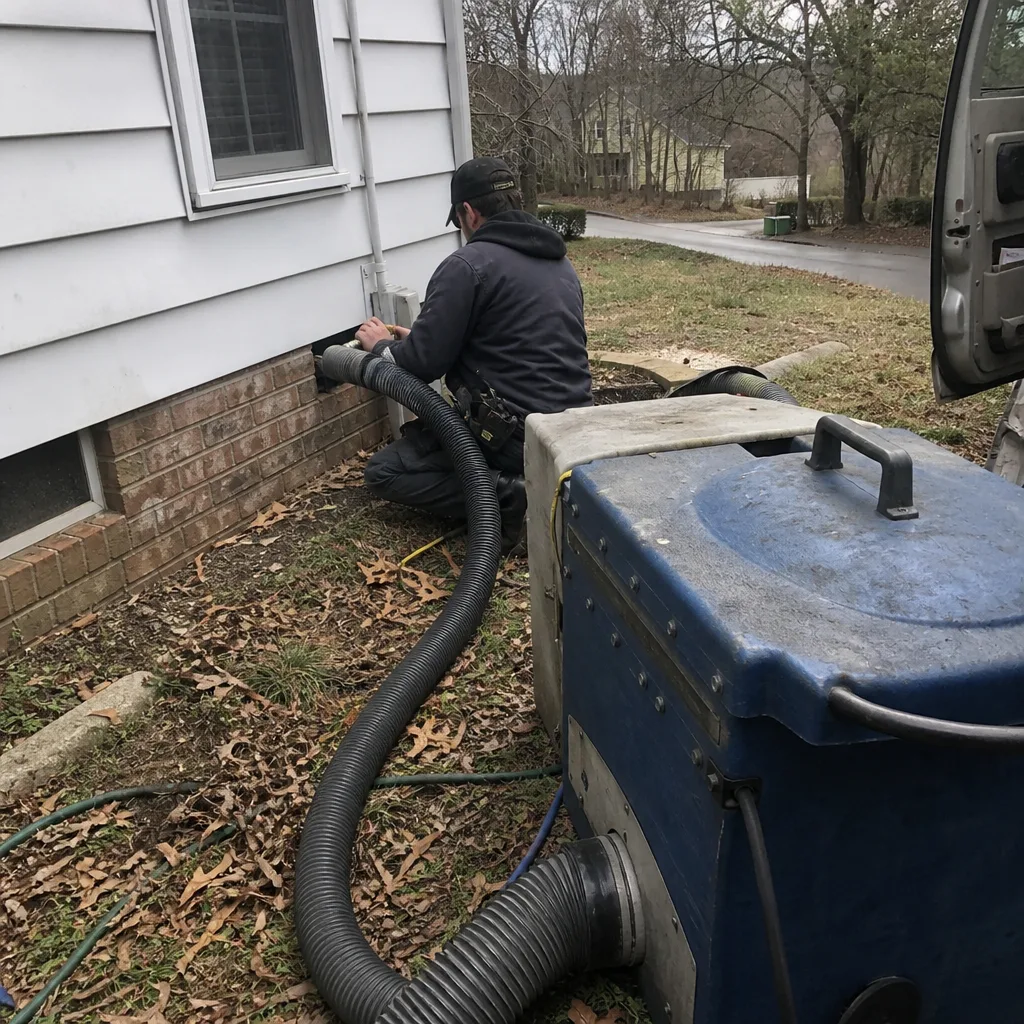 Before
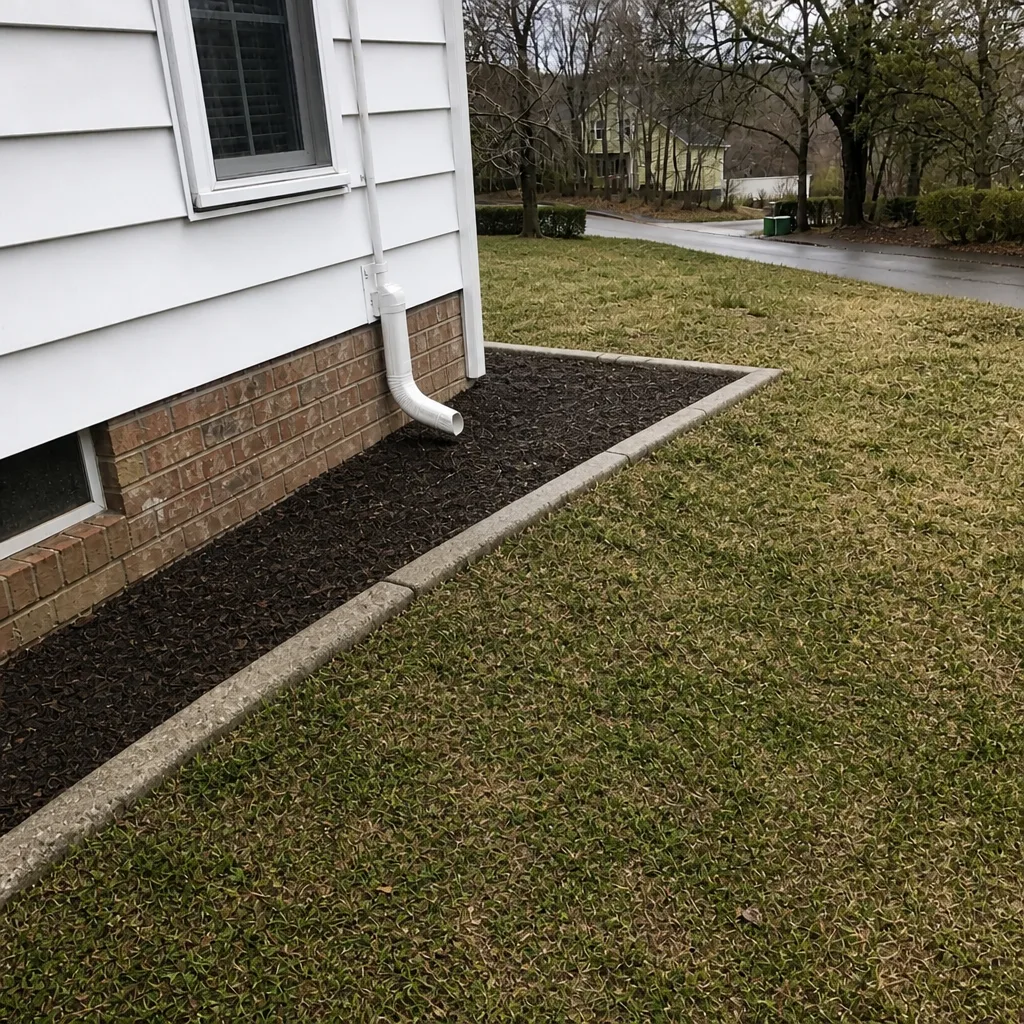 After
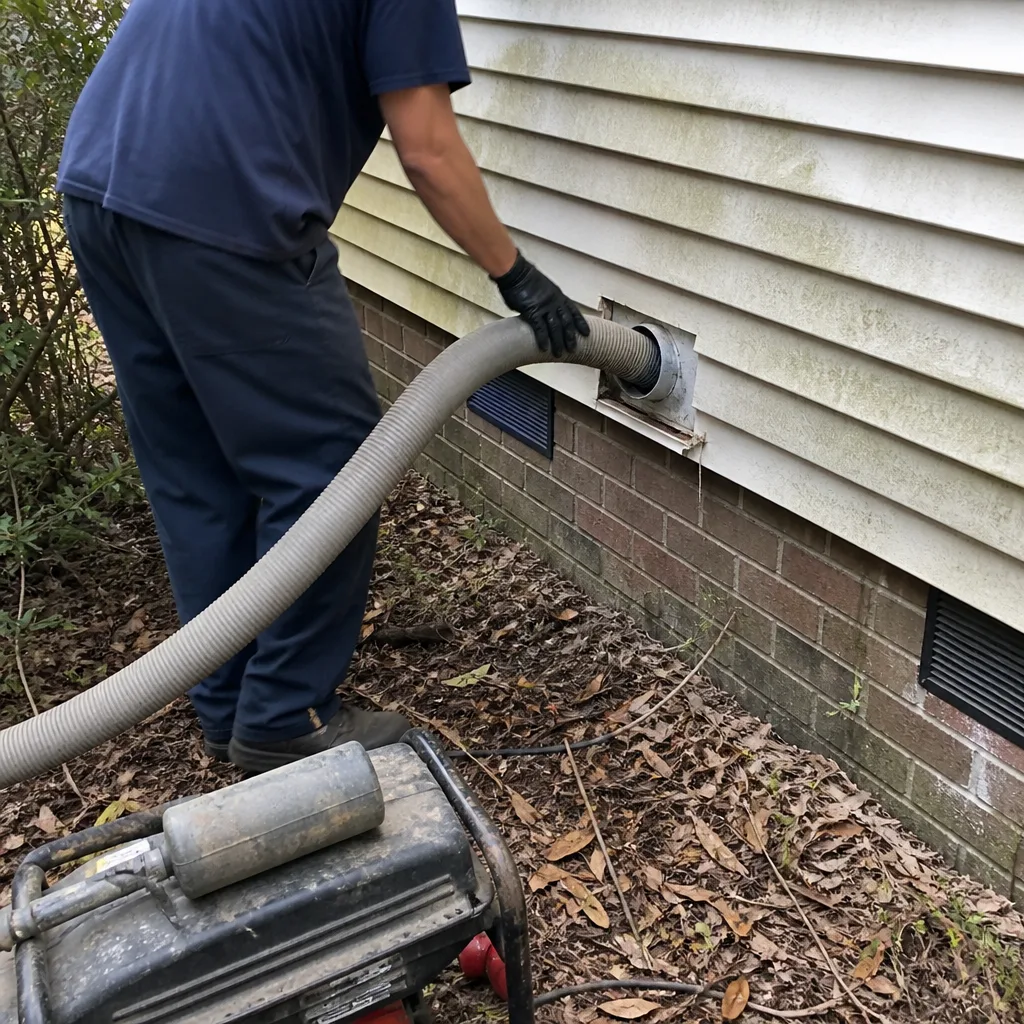 Before
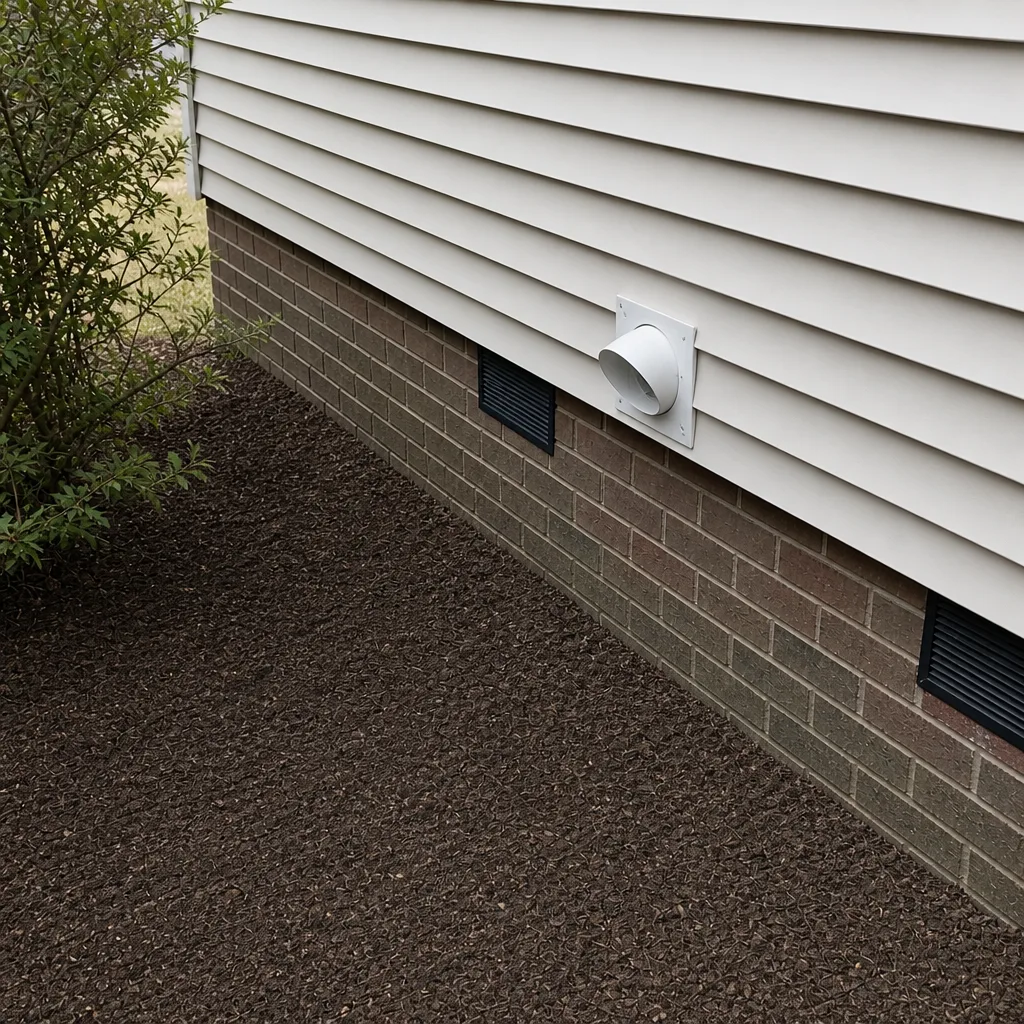 After
 Before
 After
When to Call a Professional
There are situations where the permit question is secondary to the more immediate one: something’s wrong with the system and it needs to be looked at. If you’re seeing a room that hasn’t cooled properly since a renovation, a musty smell when the system starts, visible dust blowing from the registers after cleaning, or a dropped duct you can see in the attic, that’s a professional call. The same goes for any sign of moisture around the air handler or a duct run that’s sagging in the attic or crawlspace.
Wilmington Duct Cleaning offers free estimates in Wilmington. We bring Rotobrush and Nikro equipment to the job, and if the diagnosis turns out to be duct repair rather than cleaning, we handle both under one scope. Call (855) 360-7068 to schedule. We answer 24/7. Fast dispatch from 7am to 7pm, Sunday through Friday.
Frequently Asked Questions
No. Routine air duct cleaning in Wilmington does not require a permit because it’s classified as maintenance rather than a modification to the mechanical system. If the cleaning includes repair of a disconnected or damaged duct, that portion may require a permit depending on the scope. Call (855) 360-7068 for an exact quote on your situation and we’ll tell you whether a permit applies.
Cleaning leaves the system’s airflow capacity unchanged, while repair and replacement that alter the system’s distribution capacity are mechanical work governed by NC Residential Code Section M1601. The threshold is whether the work changes how the system delivers air, not whether the work is large or small. A single reconnect may be treated as maintenance; a full run replacement generally requires a mechanical permit.
Typical estimates for whole-system residential duct cleaning in the Wilmington market fall in a range from a few hundred dollars to just under a thousand, depending on the size of the home, the number of systems, and the condition of the ductwork. We price per system, not per vent, and the written estimate sets the final price before any work starts. Call (855) 360-7068 for an exact quote. Estimates are free.
The insurer may deny or reduce coverage if the damage can be traced to unpermitted work. Insurance adjusters look for permit documentation when investigating a claim involving HVAC or duct failure, and the absence of a permit is treated as evidence the work wasn’t done to code. It can also become a problem at resale when a buyer’s inspector flags it. Getting the permit at the time of the work is the simplest way to avoid both scenarios.
Yes, if the growth is established and requires remediation rather than surface cleaning. North Carolina regulates mold remediation under NC General Statute 130A, and a contractor performing remediation as a business needs the appropriate licensing. A duct cleaning company without that licensing can clean the ducts but should not perform remediation. Call (855) 360-7068 if you smell musty air when the system runs and want an assessment before agreeing to any cleaning.
Low quotes often reflect a shop-vac and a coupon rather than proper equipment, real containment, and a full scope. The industry’s reputation for bait-and-switch comes from exactly this: a low advertised price that becomes a much larger invoice once the technician is on site. We price per system, agree the price in writing before work starts, and provide before-and-after photos of your own ducts so you can verify the work was done. Call (855) 360-7068 for an estimate built around your actual system.
The Bottom Line
Duct cleaning doesn’t need a permit. Duct repair and replacement that changes your system’s airflow generally does, under the North Carolina Residential Code. Mold remediation inside ducts is a separate licensing category under NCGS 130A. Verify your contractor through the NCLBGC lookup before you sign, ask who’s pulling the permit, and keep the signed-off permit card with your home records. That documentation is what protects you at resale and with your insurer. If you’re in Wilmington and want a straight answer about whether your duct work crosses into permitted territory, call Wilmington Duct Cleaning at (855) 360-7068 for a free estimate. We answer 24/7. Fast dispatch from 7am to 7pm, Sunday through Friday.
Written by the team at Wilmington Duct Cleaning.