
Last updated November 15, 2026
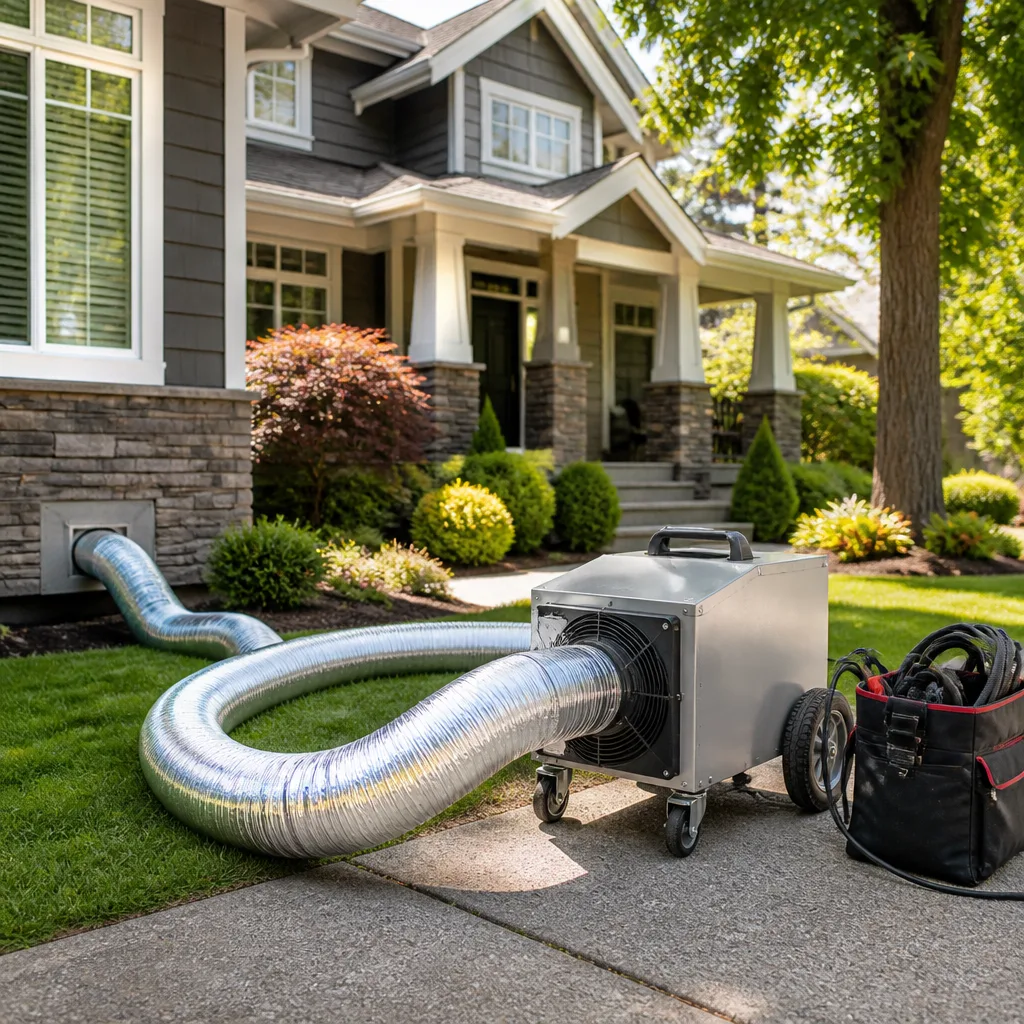 Whole-home duct cleaning
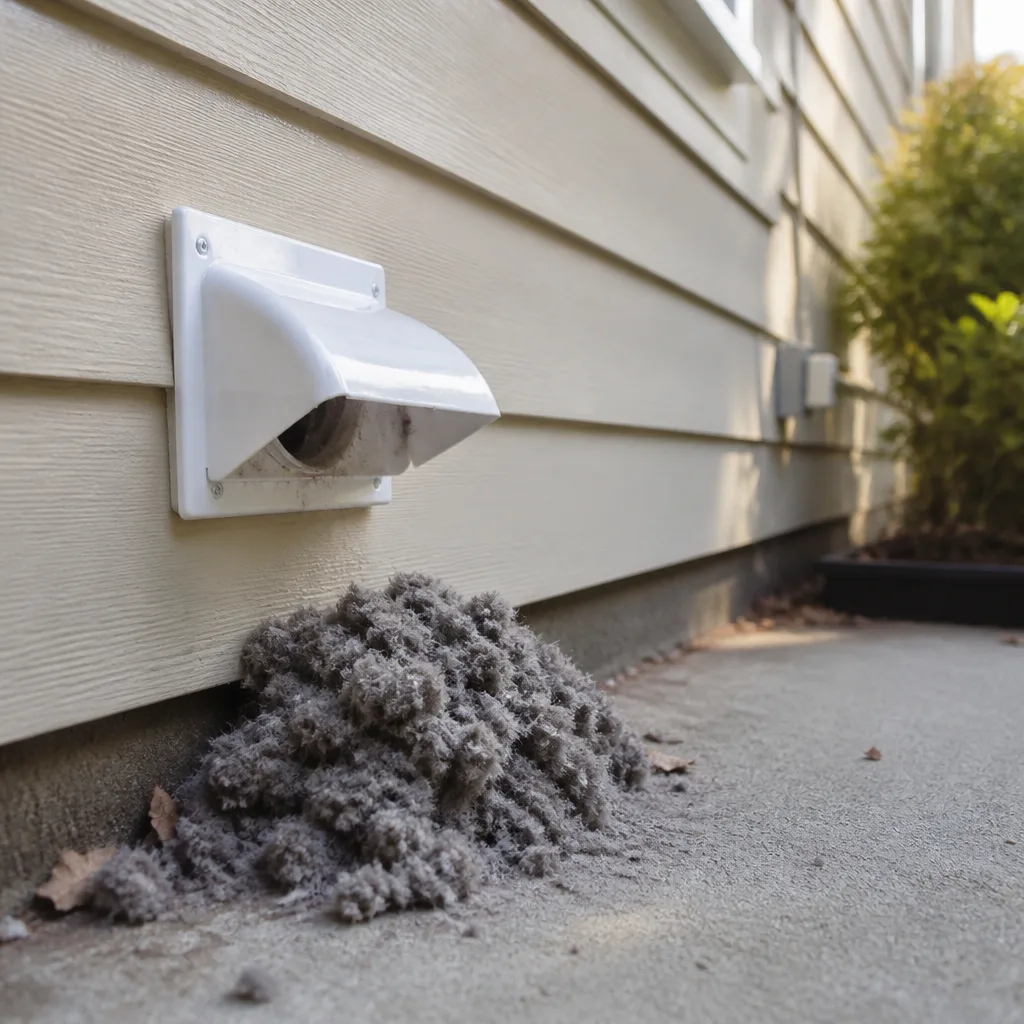 Dryer vent cleaning
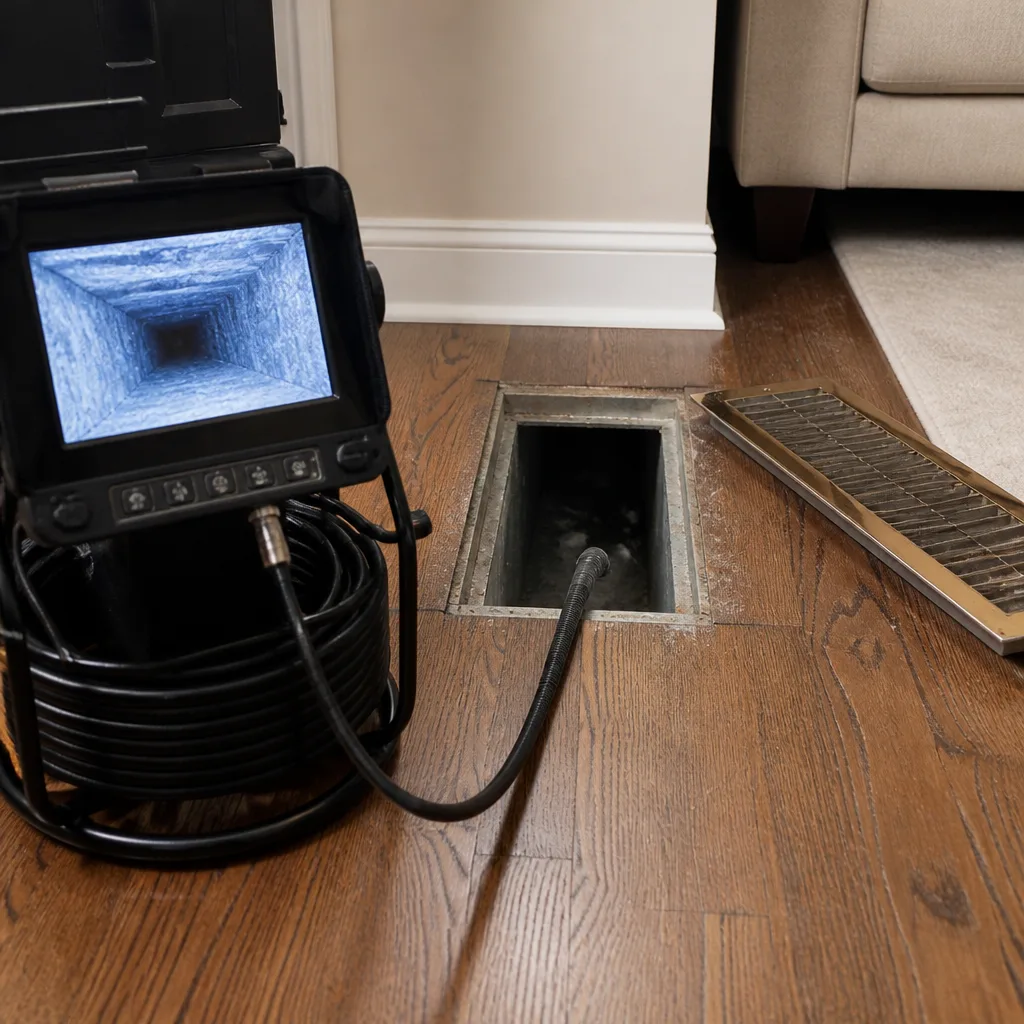 Camera inspection
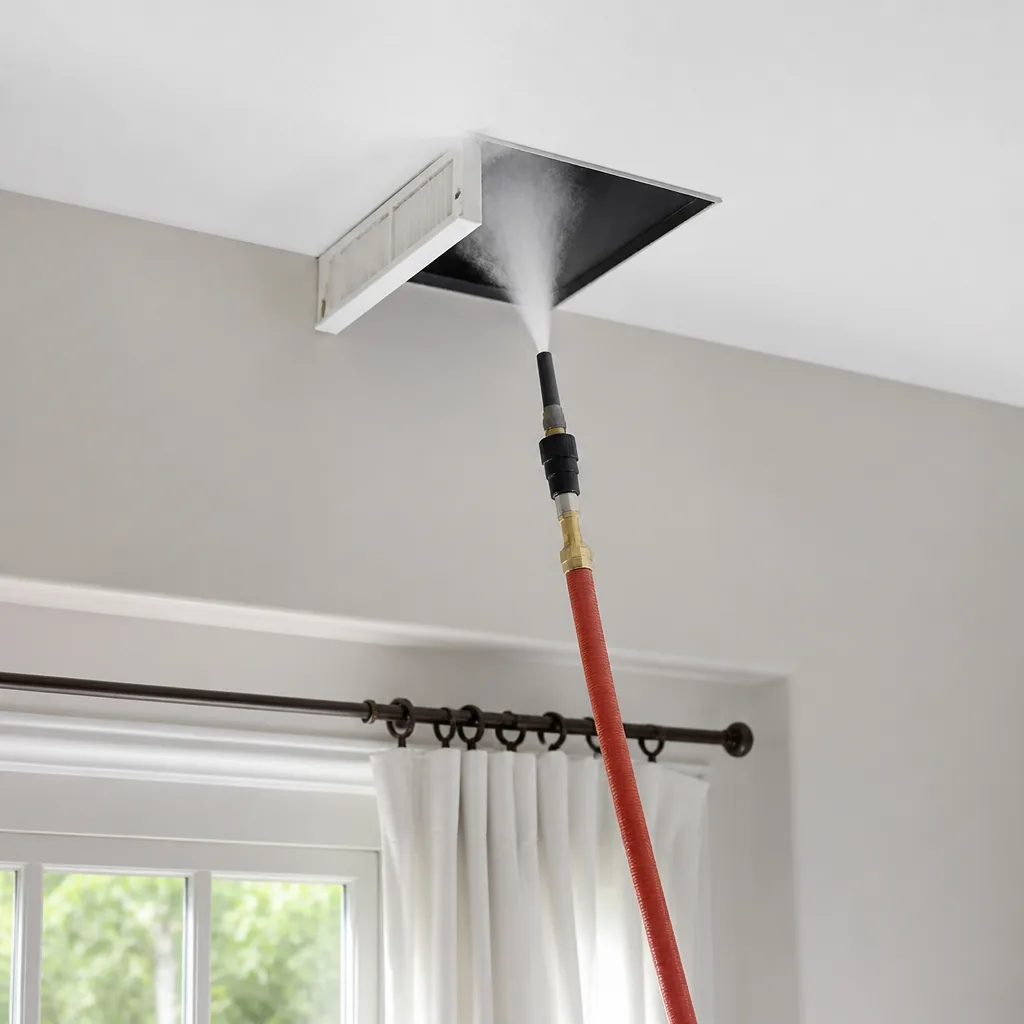 Sanitizing & deodorizing
Whole-system duct and dryer vent check with before-and-after photos - you see exactly what came out of your vents
That "$99 whole-house special" is a bait ad - the real number appears once they are in your hallway, or the "clean" is a shop-vac at the register. We photograph the inside of your ducts before and after instead.
DIY vs Professional Air Duct Cleaning: The Wilmington Homeowner’s Decision Guide
Here’s the part most duct cleaning advice gets wrong: the job isn’t about brushing dust off the inside of a duct. It’s about air pressure. A homeowner with a shop vac and a spinning brush kit can reach a register opening and pull out loose debris. They cannot pull a whole duct system into negative pressure, and that pressure is what separates a real cleaning from a dust shuffle. We’ll walk through the physics, the two tasks you can honestly do yourself, the situations where a DIY attempt makes things worse, and how to read a quote so you know whether you’re paying for professional equipment or a rented version of your own vacuum. Wilmington homes, with their humidity and flex duct, make these distinctions matter more than they do in drier places.
Quick Answer
DIY air duct cleaning works for surface-level maintenance: cleaning register grilles, vacuuming the accessible boot where the duct meets the floor, and changing filters. It does not work as a substitute for whole-system cleaning, because consumer vacuums can’t sustain the negative pressure needed to extract debris from an entire duct run instead of just stirring it up. For a home with visible debris, mold concerns, or flex duct, professional cleaning with HEPA-rated vacuums and proper containment is the realistic choice.
Styles & brands we work with
- Whole-home duct cleaning
- Dryer vent cleaning
- Camera inspection
- Sanitizing & deodorizing
Table of Contents
- The physics of duct cleaning: why negative pressure is the whole game
- The two tasks homeowners can legitimately do themselves
- When a DIY attempt makes the problem worse
- The Wilmington case for professional work: humidity, flex duct, and biology
- What professional equipment actually looks like
- How to read a duct cleaning quote: professional-grade or rental-grade?
- Common mistakes to avoid
- When to call a professional
The physics of duct cleaning: why negative pressure is the whole game
Effective duct cleaning requires sustained negative pressure of at least 1 inch of water column (about 250 pascals) maintained throughout the system while the cleaning occurs. That number is the backbone of every legitimate duct cleaning standard out there. A typical shop vac pulls peak suction in the range of 50 to 60 inches of water column at the hose opening, but that’s a static number with the hose sealed. The moment the hose connects to a duct system with multiple registers, seams, and returns, that suction collapses. You end up with airflow at the hose and very little movement 15 feet down the trunk line.
What a professional negative-air machine does is different. The Abatement Technologies units we bring pull from a single tap point, usually a main trunk or return, and hold the whole system under steady vacuum. Dust and debris dislodged by a rotary brush at the far end of the duct get pulled toward the collection point instead of settling back on the duct floor. That’s the entire reason rotary brushing and negative pressure are always paired; brushing without vacuum is a dust blizzard that redistributes everything.
There’s a second pressure number that matters: containment. When you clean a duct system, you want the work area held under slightly negative pressure relative to the room so that loosened particles don’t escape into living space. A shop vac in one room doesn’t do this. A negative-air machine with HEPA filtration does. In our experience, this is the single biggest physical difference between a proper cleaning and a frustration.
The two tasks homeowners can legitimately do themselves
We’re not going to pretend every part of this job requires a truck. Two tasks are genuinely reasonable for a motivated homeowner with the right tools and a bit of care. Here’s how to do them well:
- Register grille cleaning. Remove each supply and return grille with a screwdriver. Wash them in warm water with a mild degreaser, then dry completely before reinstalling. A grille that goes back damp becomes a surface for dust to reaccumulate faster. While the grille is off, wipe the inside lip with a microfiber cloth. Do this twice a year and the visible front face of your system stays clean.
- Accessible boot vacuuming. The “boot” is the short metal or flex section that runs from the register opening up into the duct. With the grille off, reach in with a HEPA-rated vacuum (a shop vac with a HEPA filter cartridge is acceptable) and vacuum the boot interior. Use a soft brush attachment. Don’t ram a spinning brush into the boot; the flex connector inside can tear loose.
These tasks help. They don’t replace a whole-system cleaning and shouldn’t be sold as one. What they do accomplish is reducing what’s feeding the system between professional visits, and giving you a chance to notice anything odd inside the boot (loose tape, a disconnected flex joint, evidence of moisture) before it becomes a bigger problem in a Wilmington home.
When a DIY attempt makes the problem worse
There are specific situations where reaching into the ductwork with consumer equipment turns a solvable issue into a costly repair. These aren’t hypothetical; they’re the calls we get.
- Disturbing biological growth without containment. If you see visible dark growth on the duct interior or smell that musty, basement-like odor when the air kicks on, don’t brush it. Brushing releases spores into the air stream, and without negative pressure and HEPA filtration at the collection point, they settle into the living space and the rest of the system. Professional cleaning addresses biological concerns under containment.
- Dislodging flex duct connections. Flex duct is corrugated, and the connections at the boot and trunk are often taped or zip-tied, not mechanically fastened. Pushing a rigid brush through a flex run can catch on a joint and pull it apart. A disconnected flex run dumps conditioned air into a wall cavity and creates a pressure imbalance that pushes the whole system out of balance.
- Driving dust deeper into the system. Without negative pressure pulling debris out, a spinning brush just pushes material from the duct you can reach into the trunk you can’t. The system looks cleaner at the register and is dirtier a few feet in.
- Mishandling a gas furnace or air handler. This is where we get firm. The furnace heat exchanger and the air handler’s electrical components are not something to poke around in with a shop vac. A damaged heat exchanger is a carbon monoxide risk. A brushed circuit board is a short. If your cleaning plan requires opening the air handler cabinet, stop and call for a pro.
For anyone in Wilmington dealing with visible growth or a moisture smell, the ductwork itself is the symptom and the humidity is the cause. Cleaning without addressing the humidity will just kick up the same problem in a few months.
The Wilmington case for professional work: humidity, flex duct, and biology
Wilmington’s climate stacks the deck in a specific way. Summer humidity in the region regularly sits in the 70-90 percent range for weeks at a stretch. When that air gets pulled into a return, it cools, and relative humidity rises. Add a flex duct system (which is corrugated and has more surface area and more places for dust and moisture to collect than rigid metal duct), and you have the physical conditions that let biological contamination get established in the first place. The same cleaning that keeps a rigid metal system in a dry climate running fine for years can leave a flex system in Wilmington under-cleaned.
Where DIY exercises the biggest limit: cleaning is not the only thing that has to happen. Air Duct Repair has to be in the plan too. Flex runs in older Wilmington homes get pinched, torn, and disconnected at the joints. If a duct run is 85 percent effective at delivering airflow, no amount of cleaning fixes it; a technician who finds the disconnect during the cleaning call does. That’s why we handle diagnosis and resolution under the same service scope, and why for anyone in the market for air duct cleaning in this city, choosing a shop with repair capability changes the outcome of the visit.
Same logic applies to the dryer. Wilmington homes tend to have their washer and dryer against a garage or interior wall, which means long dryer vent runs with elbows. Those runs collect lint fast. Dryer vent cleaning is a fire-safety service, not a comfort upgrade; the National Fire Protection Association has flagged dryer lint as a leading contributor to residential fires. We handle dryer vent cleaning as a standalone service for exactly that reason.
None of this means every Wilmington home needs a cleaning every year. It means the decision variable is not “do I feel like paying someone,” it’s “does my system’s condition actually need what a professional brings.” That answer differs from home to home in Wilmington, and it changes with the housing stock, which here runs from older bungalows with mixed duct systems to newer builds with flex throughout.
What professional equipment actually looks like
If you’re evaluating a quote, you should be able to identify the equipment a real duct cleaning job uses. Here’s the roster we bring, and why each piece matters.
- Rotobrush rotary brush systems. These are the industry-standard tool for scrubbing the duct interior. The brush head is fed through the run on a flexible whip, and it rotates at controlled speed so it lifts debris without abrading the duct lining. Rotobrush is the platform that changed duct cleaning from a manual scrub to a repeatable process.
- Nikro HEPA-rated vacuums. HEPA filtration means the fine particles (the ones you can’t see but react to) get captured at 99.97 percent efficiency down to 0.3 microns. Consumer shop vacs with a “HEPA filter” add-on are not the same thing; the housing and gasket seals on a Nikro unit are rated to hold that filtration.
- Abatement Technologies negative-air machines. These are the containment side. The machine pulls the whole system into negative pressure and exhausts to the outdoors through a HEPA filter, so nothing escapes back into the home. It’s the same class of equipment used in restoration and mold work.
- Guardsman-grade finishing. The post-cleaning pass matters. We wipe down register faces, reset grilles, and leave the systems visibly cleaner than they were when we arrived, not just functionally cleaner inside.
We also work regularly with Honeywell and Aprilaire whole-home air quality components. That matters because cleaning a duct system that has a whole-house humidifier, an Aprilaire filter cabinet, or a Honeywell media filter attached is not the same job as cleaning a bare system. Knowing how those components interact with the cleaning process keeps them functional after the visit.
If a quote comes in without mention of negative pressure, containment, or HEPA filtration at the collection point, you’re not getting this level of work. That’s the thing to ask about before you book.
How to read a duct cleaning quote: professional-grade or rental-grade?
Low quotes aren’t inherently dishonest, but they usually tell you something about scope. A company that shows up with a shop vac and a rotating brush from the hardware store is charging you for about what you’d pay to rent that same equipment at a home improvement store. Here’s a quick comparison to run through before you hire.
- Ask what equipment they bring. If the answer doesn’t name negative-air containment, HEPA-rated vacuum, or a rotary brush system, treat that as a shorter scope. It’s not wrong to hire a lesser scope, but know what you’re buying.
- Ask whether they use containment. A clear answer that mentions sealing the supply registers and venting to the outdoors is the right one. A vague answer means the cleaning will send dust into the home.
- Ask about routing and access. A real negative-pressure setup requires a tap point and a run of flexible duct to reach outdoors. If the company can’t explain how that will work in your home, they don’t do it.
- Ask whether they can repair what they find. Cleaning frequently turns up disconnected flex, torn ductwork, or separated joints. If the company only cleans, you’re the one calling a second contractor to fix what the first one found.
- Check the dryer vent scope. If dryer vent cleaning is bundled into a “whole-home” package at a low price, ask what the dryer vent work actually involves. Proper dryer vent cleaning means running the full length of the vent, not just the first few feet.
The quotes we write are per-system and flat, agreed in writing before any work begins. There’s no per-vent pricing, no coupon that becomes a different invoice once we’re on site, and no surprise fees when the equipment gets set up. That’s the actual answer to the bait-and-switch reputation the duct cleaning industry has earned. You should know the scope and the price before the first tool comes out of the vehicle.
Common Mistakes to Avoid
- Buying on price alone. A steeply discounted duct cleaning quote is almost always a shorter scope. If the price is a fraction of the others, ask specifically what’s included and whether containment and HEPA vacuum are part of the setup.
- Assuming “cleaned” means “sanitized.” Cleaning removes debris. Sanitizing is a separate step and only makes sense if the cleaning was done properly first. Sanitizer applied to a duct system that still has debris inside is a waste of money.
- Brushing a flex system without pressure control. We’ve seen more than a few disconnected flex runs from homeowners using rental brush systems. If your system is corrugated flex throughout, don’t push a rigid brush through it.
- Skipping the return plenum. A lot of homeowner attempts focus on supply registers and ignore the trunk and return plenum, where much of the debris accumulates. If the return side isn’t cleaned, the supply side gets dirty again fast.
- Ignoring the air handler coil. Cleaning ducts without looking at the coil is half a job in Wilmington. A dirty evaporator coil is common here because the humidity encourages biological growth at the coil face. Leave that to a pro, but make sure it’s part of the conversation.
- Treating dryer vent as a maintenance footnote. If you own a Wilmington home with a long dryer vent run, check the exterior flapper regularly. Lint that isn’t caught at the flapper is lint accumulating in the run, and that’s a fire load.
- Not documenting what was found. Whether you’re a homeowner or a landlord managing multiple units, photos of what came out of the system matter. Ask for before-and-after photos. Any shop that won’t take them is either not doing the work or not confident in it.
When to Call a Professional
There are specific scenarios where DIY isn’t the right answer and waiting doesn’t help. If you see visible mold growth on the duct interior, if your registers are putting out a musty smell when the HVAC cycles, if you’ve had water intrusion anywhere near the ductwork, or if you know your flex runs are old and possibly disconnected, that’s the call. The same is true for any homeowner with respiratory concerns who shares a home with someone sensitive to airborne particles; proper containment matters there in a way a shop vac doesn’t match.
On the dryer side, if your lint trap fills fast and your dryer takes two cycles to dry a load, lint is accumulating in the vent run and it’s time for a real cleaning. Wilmington Duct Cleaning offers free estimates in Wilmington. Call (855) 360-7068 and we’ll give you a written scope and price before anything gets scheduled.
See the difference
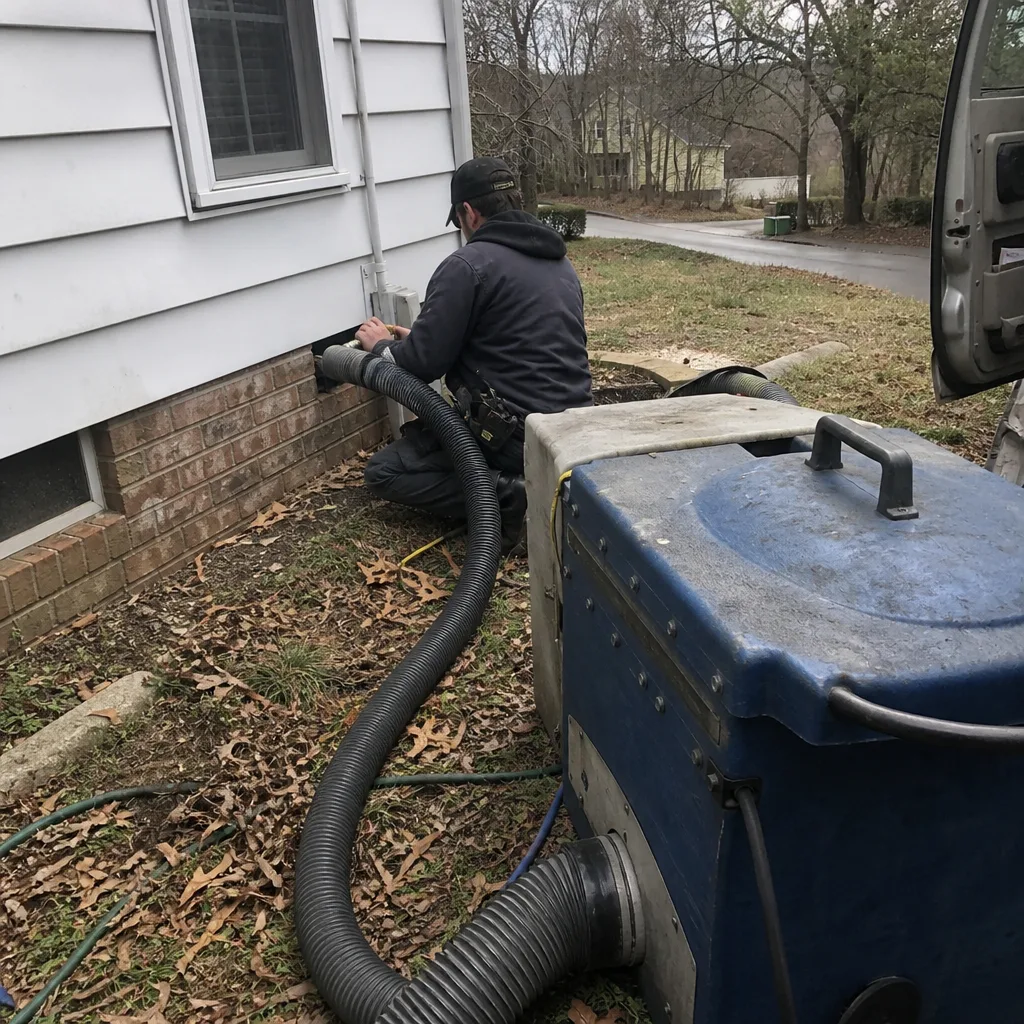 Before
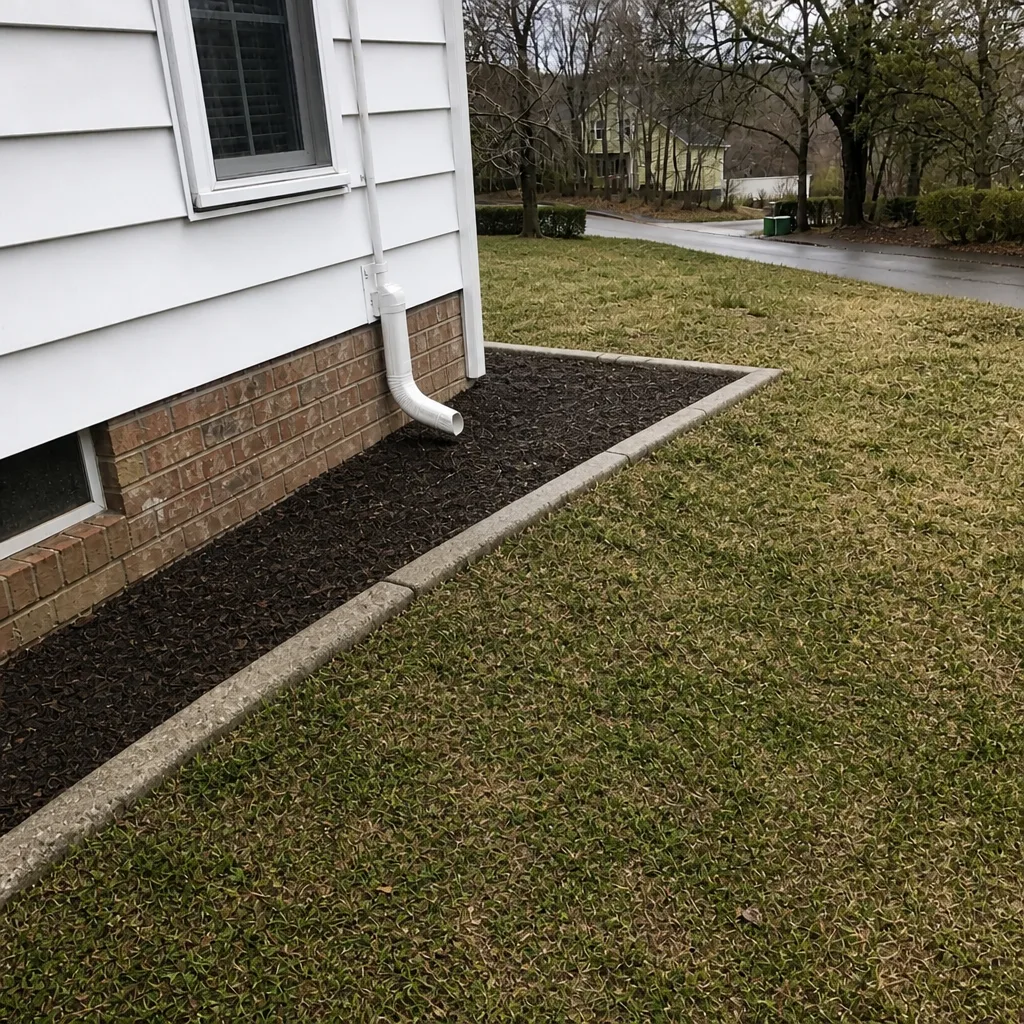 After
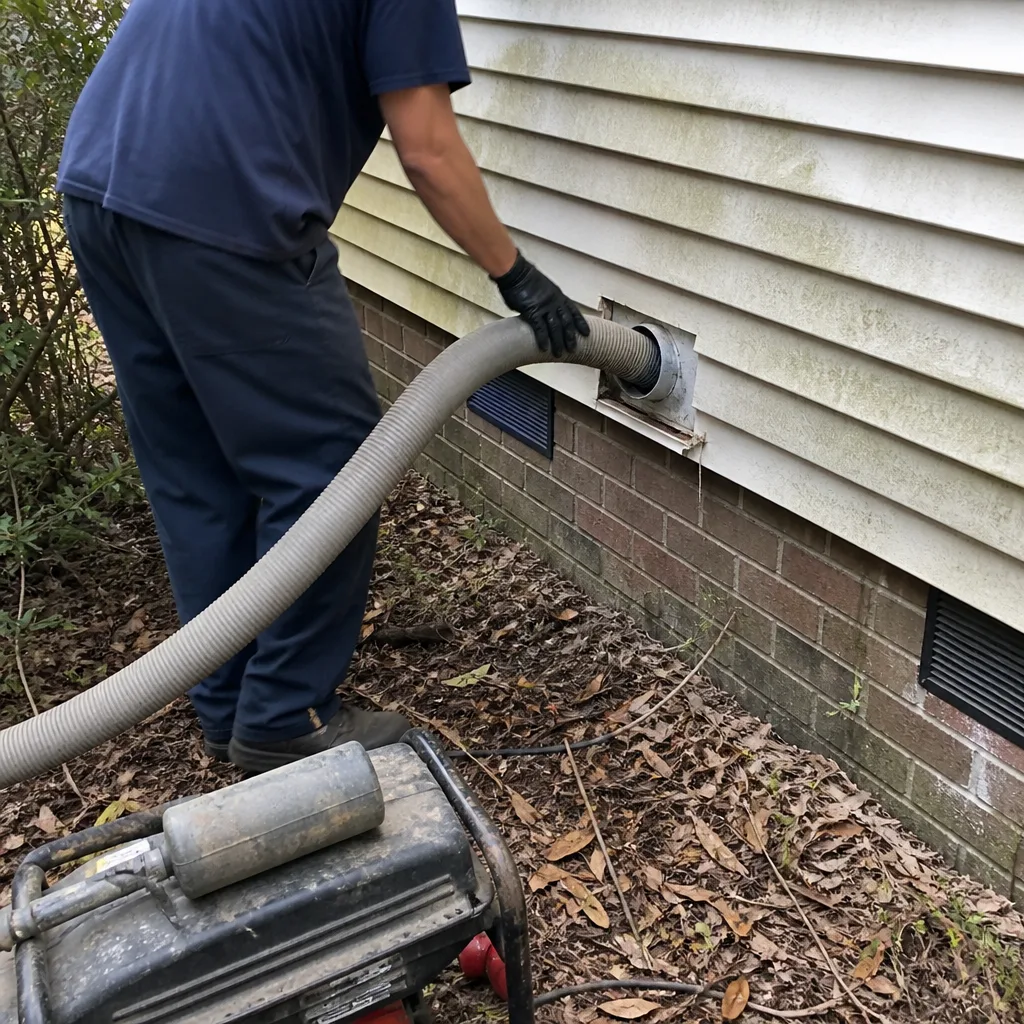 Before
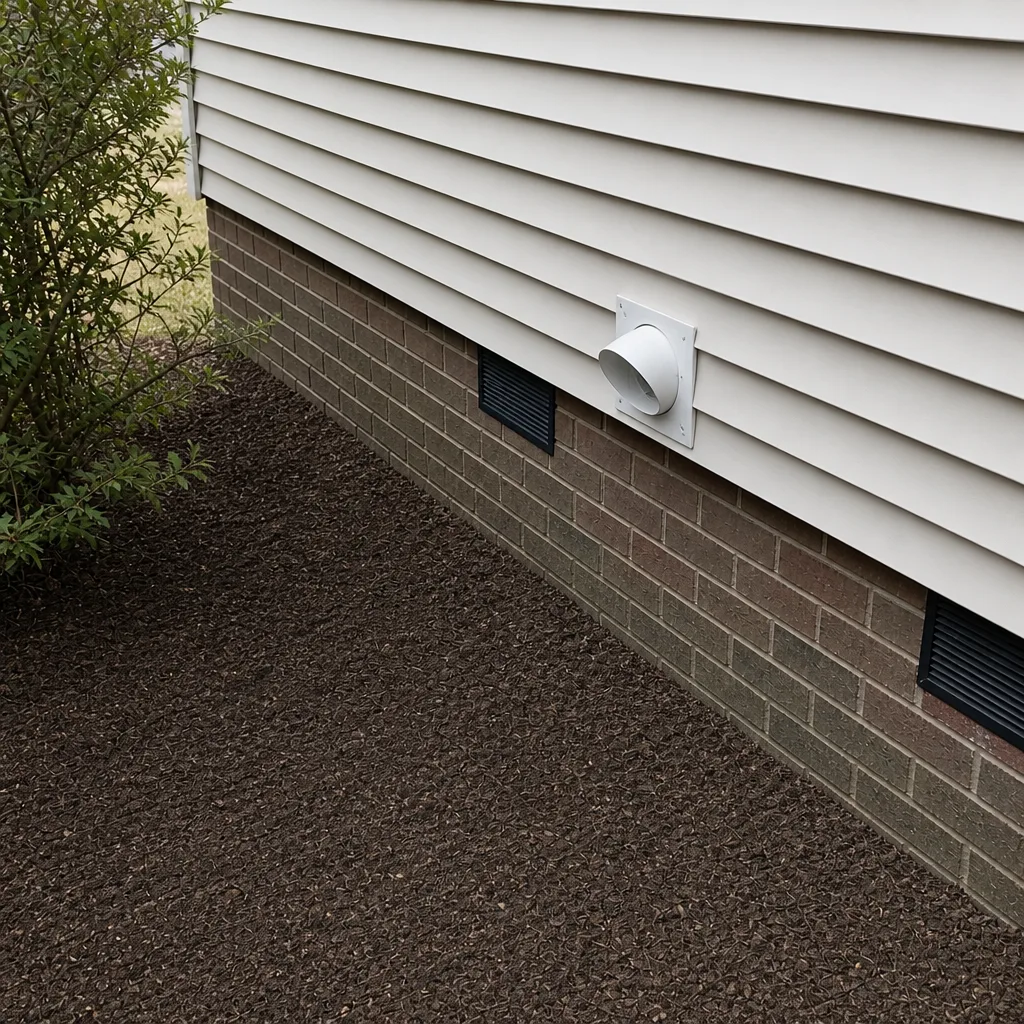 After
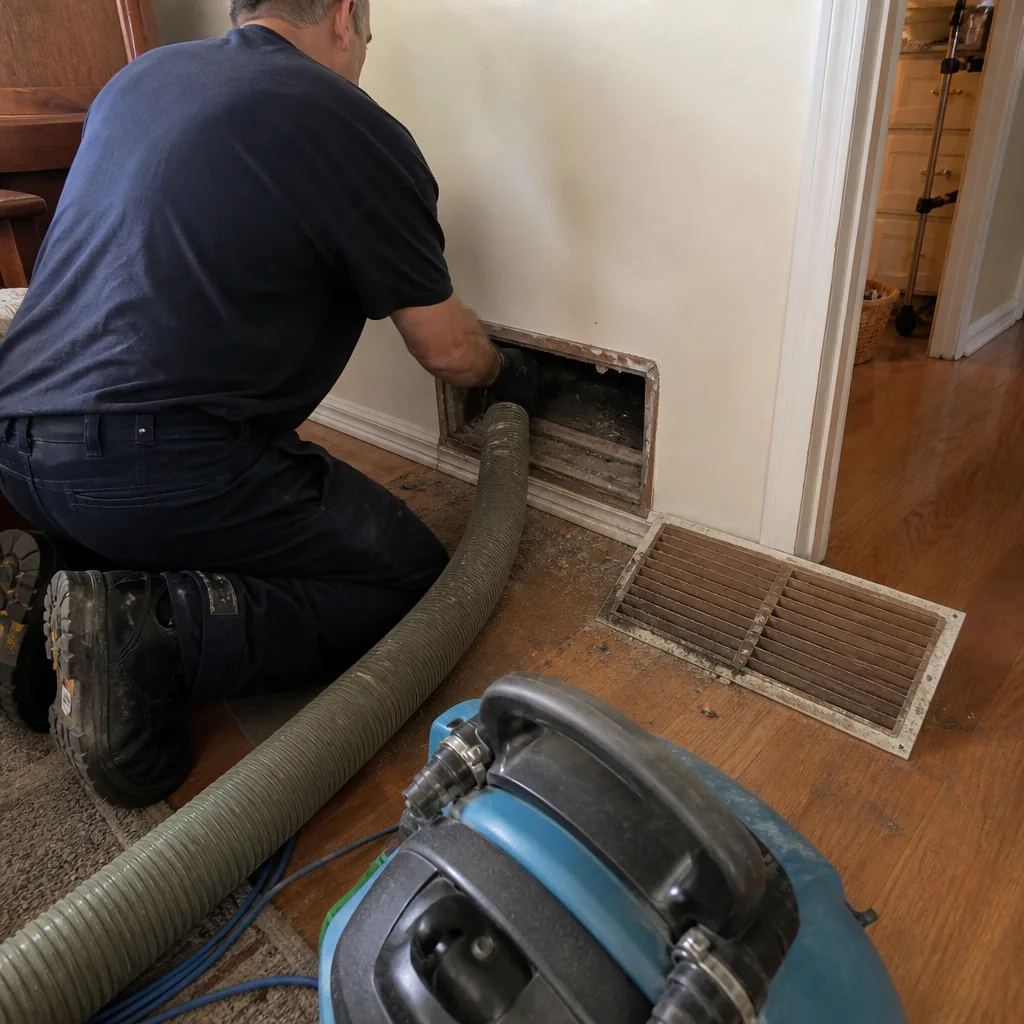 Before
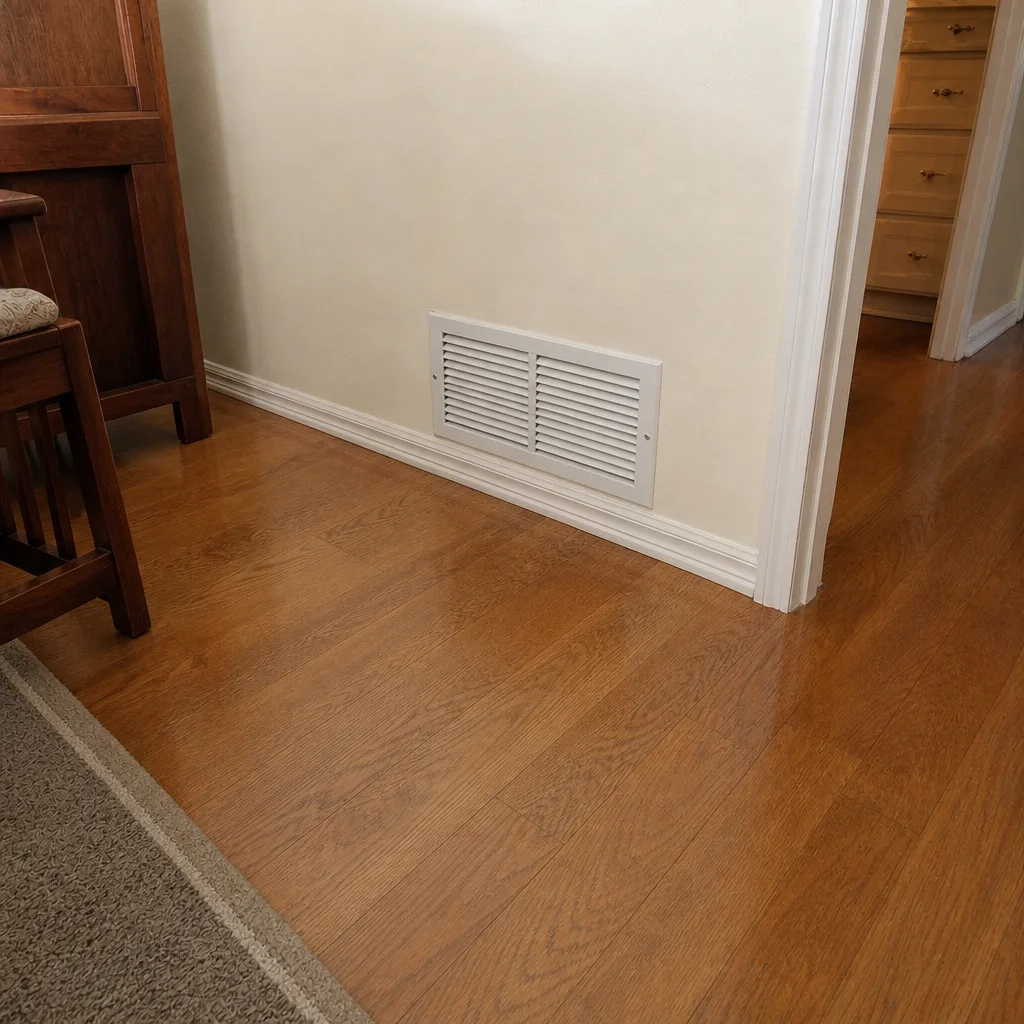 After
Frequently Asked Questions
The right number depends on your system’s size and layout, which is why we write a per-system estimate rather than quoting a coupon number over the phone. Whole-system professional cleaning with HEPA vacuum and negative-air containment runs meaningfully more than a register-only pass, and the difference is real equipment and a longer scope. The written estimate sets the final price, and the estimate itself is free. If a quote you’ve received is dramatically lower than others, ask that company to walk through what equipment they use and whether containment is included, then call (855) 360-7068 and we’ll do the same for you.
Cheap quotes usually mean a shorter scope: no negative-air containment, no HEPA-rated collection, and no rotary brush system. Some low-cost operators essentially rent the same equipment a homeowner can rent and charge for a light pass. That’s not fraud, it’s a different service. The problem is when a homeowner pays for the cheap version believing it’s the full version. Ask any company to explain their equipment and containment setup before you book. Call (855) 360-7068 for a transparent scope from us, and feel free to ask the same questions.
Before-and-after photos of your own ducts are the answer. Any legitimate cleaning operation should be able to produce them without resistance. Ask for photos of the trunk line and return before and after. Also ask for a description of anything found (disconnected flex, torn ductwork, debris at the coil) and how it was handled. If you’re a landlord documenting work for a property manager, this matters even more. Call (855) 360-7068 and we’ll walk through what a documentation package looks like for your property.
Most homes don’t need annual cleaning. Every three to five years is a reasonable working interval for a typical Wilmington home with flex duct and no ongoing moisture issues. Homes with pets, recent renovations, water intrusion history, or anyone in the house with respiratory sensitivity may need it more often. The real trigger isn’t a calendar number; it’s what’s in the system. If registers are visibly dirty, the air smells musty, or you’ve had recent ductwork changes, it’s time. Call (855) 360-7068 for a free estimate and we’ll tell you honestly whether it’s needed.
Cleaning registers is genuinely useful and safe to do yourself. It’s not a substitute for cleaning the system, though. Register cleaning removes surface dust at the grille; the debris that causes air quality issues and airflow problems lives in the trunk, the return, and the coil. If your goal is airborne dust reduction, the grille pass helps but doesn’t move the needle on the trunk. There’s no harm in doing it, and the system will look better. Call (855) 360-7068 if you want to talk through whether the rest of the scope is worth it for your home.
Yes, meaningfully. The humidity in this region is high enough to keep flex duct interiors at a moisture level that supports biological growth, so an incomplete cleaning that leaves debris behind has a higher chance of developing into a bigger problem than it would in a drier climate. That’s the case for professional containment and HEPA collection over a shop vac pass. It’s also the case for addressing any moisture source (a disconnected boot, a leak near the air handler) in the same visit rather than months later. Call (855) 360-7068 for a free estimate and we’ll assess the system specifically for humidity-related issues.
The Bottom Line
DIY duct cleaning is a light maintenance activity, and it’s worth doing. Register grilles and accessible boots are fair game, and if you’re careful with flex duct and stay away from gas and electrical components, you’ll keep your system somewhat cleaner between professional visits. What DIY doesn’t do is create the negative pressure required to actually extract debris from a duct system, and in Wilmington’s humidity, that difference between extraction and redistribution matters more than it does elsewhere. If you’re dealing with visible growth, a musty smell, a disconnected flex run, or a long dryer vent, professional work with the right equipment is the practical answer. Wilmington Duct Cleaning offers free estimates and a per-system written scope. Call (855) 360-7068. We answer 24/7. Fast dispatch from 7am to 7pm, Sunday through Friday.
For a broader view of what we do, start with Wilmington Duct Cleaning.
Written by the team at Wilmington Duct Cleaning.