
Last updated November 15, 2026
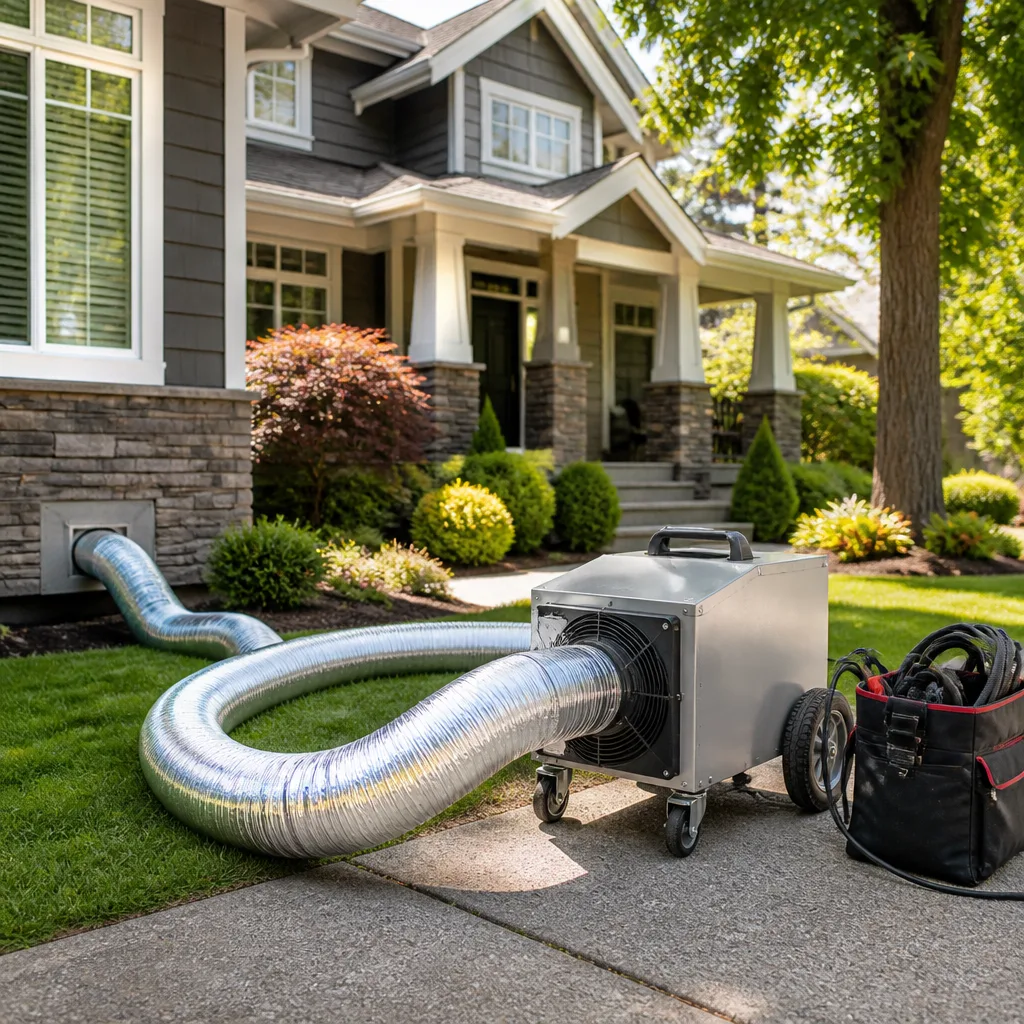 Whole-home duct cleaning
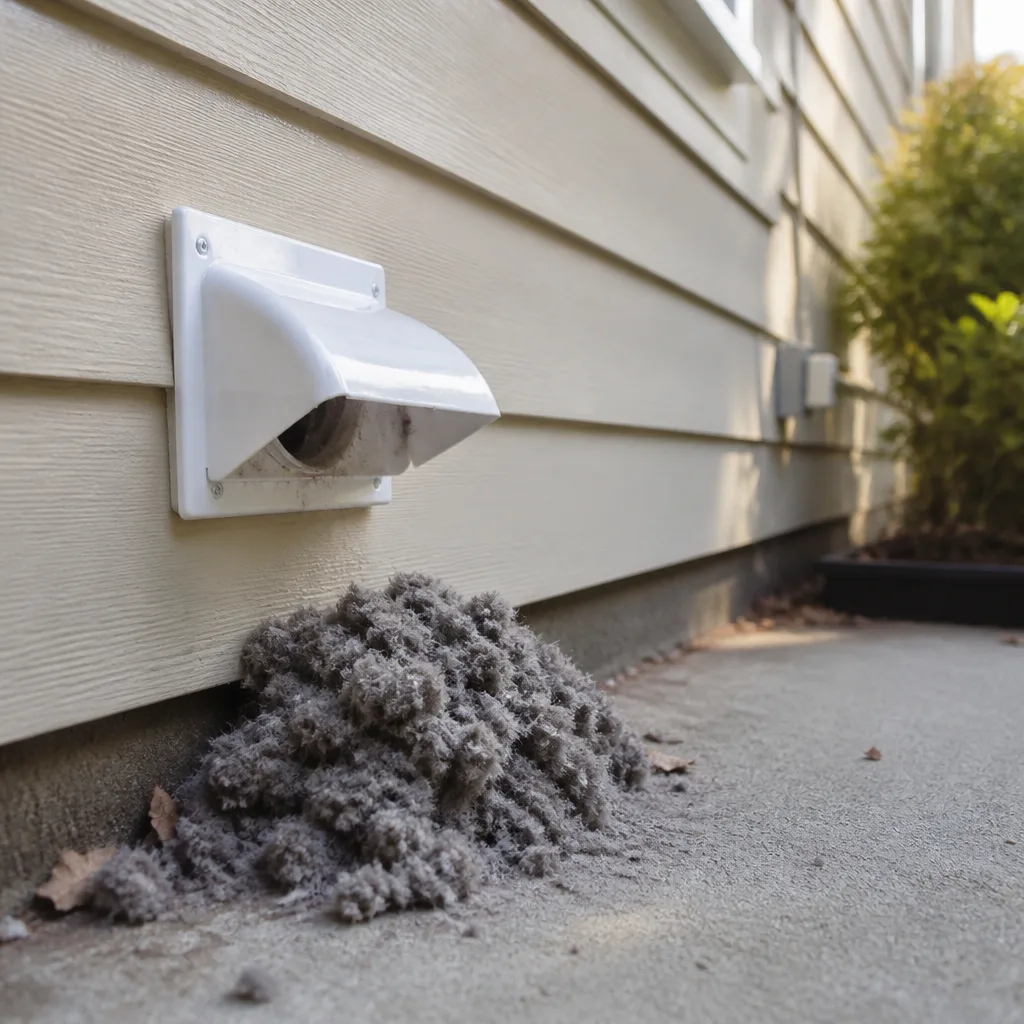 Dryer vent cleaning
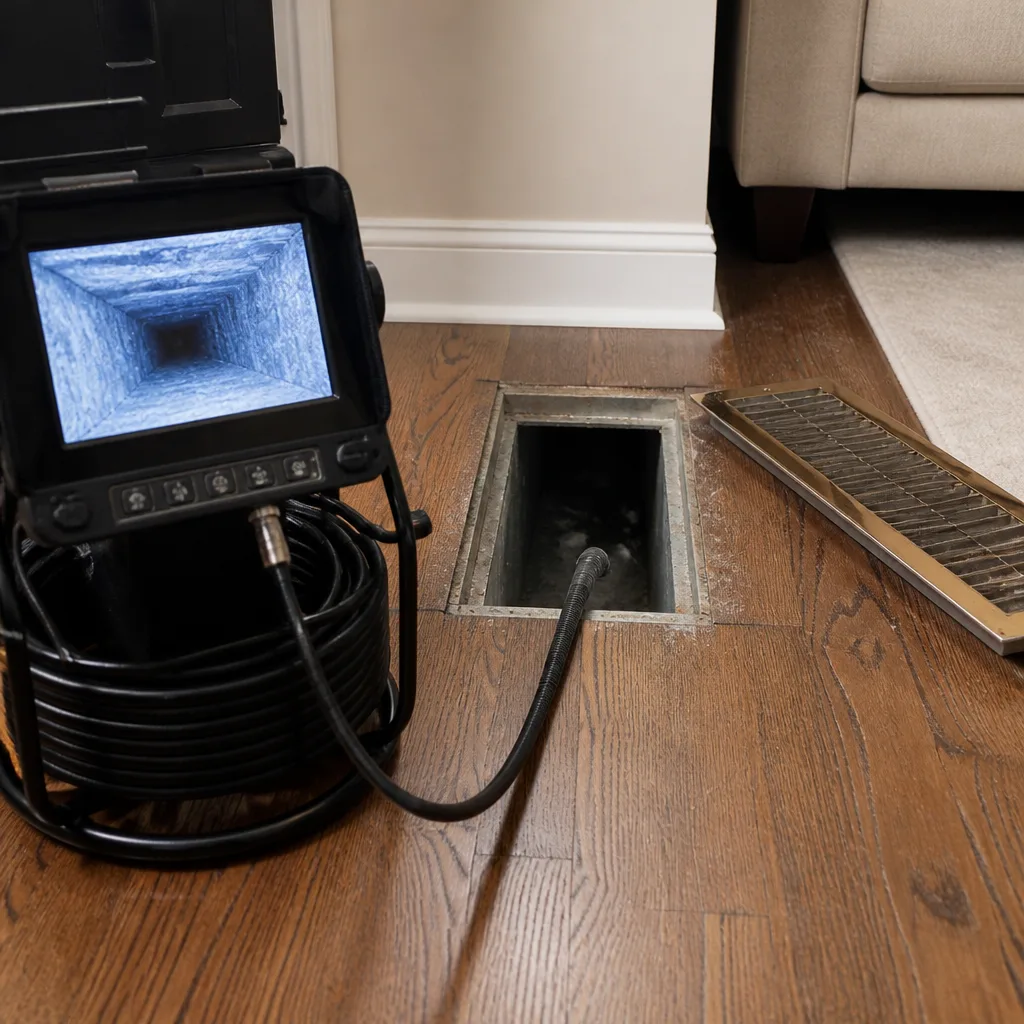 Camera inspection
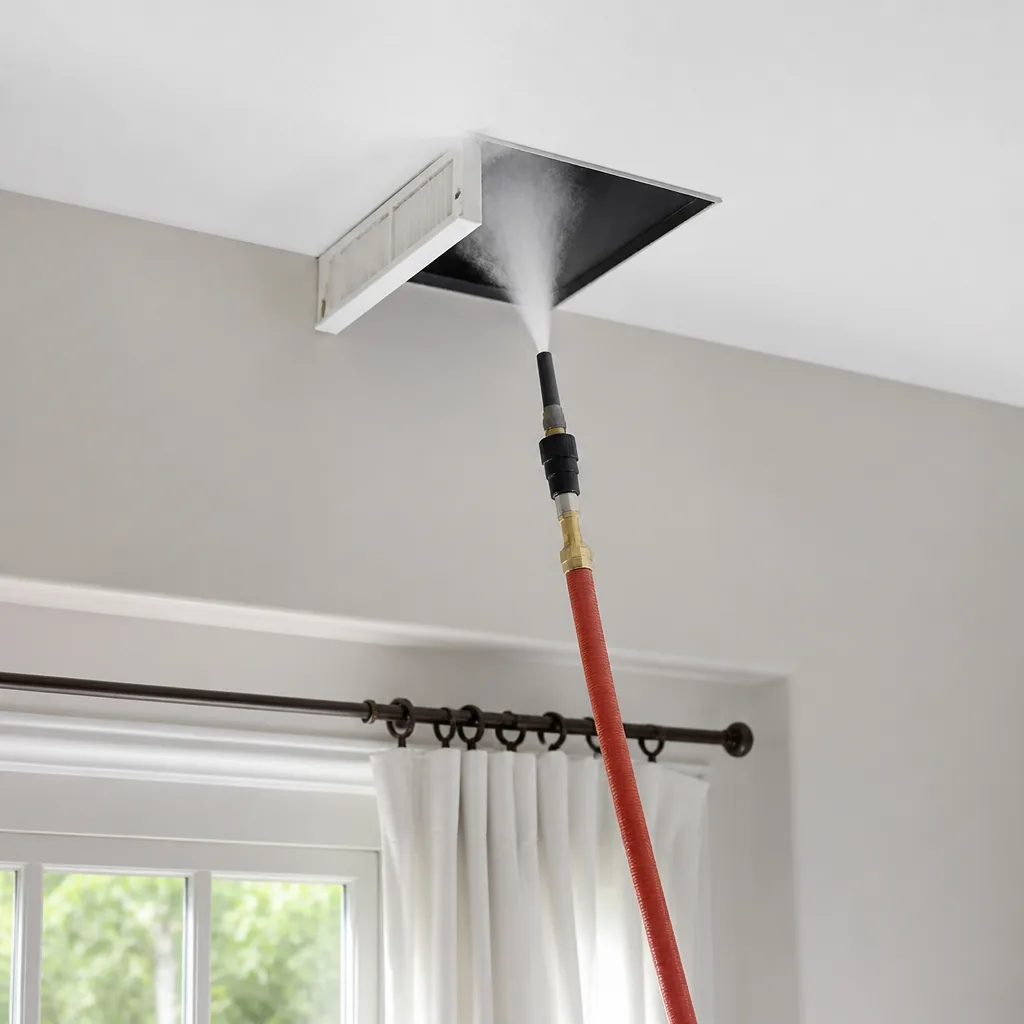 Sanitizing & deodorizing
Whole-system duct and dryer vent check with before-and-after photos - you see exactly what came out of your vents
That "$99 whole-house special" is a bait ad - the real number appears once they are in your hallway, or the "clean" is a shop-vac at the register. We photograph the inside of your ducts before and after instead.
Choosing the Right Air Duct Cleaning Brand: A Buyer’s Guide for Wilmington
Three of the most advertised duct cleaning brands in the Wilmington market are franchise operations, and their equipment is specified at the franchise level, not by the local operator. The van wrap changes from one company to the next. The vacuum’s cubic-feet-per-minute rating doesn’t. That’s the gap most homeowners never see until a tech is standing in the hallway with a portable unit and a shop vac hose, and it’s the gap this guide closes. Here you’ll learn how to look past the logo, ask the right questions before you book, read reviews for what they actually reveal, and match the contractor to the housing stock you live in.
Quick Answer
The right air duct cleaning brand in Wilmington is one that can tell you the make and model of its collection unit before you book, brings professional-grade equipment like Rotobrush or Nikro systems with truck-mounted or high-capacity suction, and offers cleaning, repair, and sealing under one roof so you don’t need a second contractor. Franchise name recognition matters far less than equipment class and service scope. If a company can’t answer basic questions about its tools, its containment method, and its repair capability, that’s your answer.
Styles & brands we work with
- Whole-home duct cleaning
- Dryer vent cleaning
- Camera inspection
- Sanitizing & deodorizing
Table of Contents
- Franchise vs. Independent Specialist: How the Models Differ
- The Equipment Questions That Reveal Real Capability
- Why Service Scope Matters More Than the Brand on the Van
- How to Read Reviews for Duct Cleaning Specifically
- What Wilmington’s Housing Stock Tells You About Your Ducts
- Containment, Agitation, and the Methods That Actually Clean
- A Landlord and Property Manager Checklist
- Permits, Code, and When Local Knowledge Pays Off
Franchise vs. Independent Specialist: How the Models Differ
A duct cleaning franchise in Wilmington isn’t one company with one standard. It’s a brand, a marketing machine, and a training program sold to a local owner who then decides how much to invest in equipment. Some franchise owners buy the good stuff. Others buy the minimum the franchise requires and lean on the name to close the sale. That’s not a knock on franchises across the board. It’s a structural reality: the equipment decision sits with whoever pays for it, and the brand name doesn’t guarantee what’s in the driveway.
An independent specialist makes the same decision, but the operator is usually the person doing the work or the one training the people who do it. That tends to produce different outcomes in three areas:
- Equipment investment: Independents who compete on capability rather than a national coupon tend to buy contractor-grade collection units, HEPA-rated vacuums, and rotary agitation tools because their reputation rides on repeat business in a defined local market.
- Pricing floor: Franchise pricing often has to carry franchise fees, national ad spend, and territory costs, so a very low advertised rate usually signals a smaller job scope rather than a real bargain. An independent’s pricing reflects labor, equipment, and time, so the quote tends to line up more closely with what’s actually performed.
- Service scope: A cleaning-only operation can’t fix what it finds. When a duct run is collapsed, disconnected, or leaking at a joint, the franchise operator in many markets refers the repair out or leaves the homeowner to find someone. A specialist offering cleaning and repair under one roof closes that loop in the same visit or the next scheduled one.
None of this means a franchise can’t do a good job. It means the logo is a marketing asset, not a capability statement. You have to ask past it.
The Equipment Questions That Reveal Real Capability
Here’s the direct answer: ask for the make and model of the collection unit, the rated negative pressure it produces, and a list of the agitation tools the crew will bring into your home. A serious operator can answer all three in one phone call. A company that hedges, says “it’s professional equipment,” or needs to check with a manager is telling you something useful.
What the questions expose:
- Collection unit make and model. Professional platforms like Nikro HEPA-rated vacuums or truck-mounted systems produce sustained, high-volume airflow that a portable shop vac cannot match. Ask for the model name, not just a category. Write it down and look it up later if you want.
- Rated negative pressure or CFM. Negative pressure is what keeps dislodged debris inside the collection system and out of your living room. A truck-mounted or high-capacity unit holds it. A small portable unit struggles to maintain it once you’re several branches into a system.
- Agitation tool inventory. Suction alone doesn’t lift debris off duct walls. Professional crews use rotary brush systems like Rotobrush, compressed-air whips, and hand tools sized for the duct profile. Ask which tools the crew will actually use in your home, not just what’s on the brochure.
- Containment equipment. For jobs where dust control matters (heavy buildup, post-renovation, restoration-adjacent work), ask whether they use negative-air containment equipment like Abatement Technologies machines. That’s the same gear used in commercial and restoration work, and it’s a fair question for a residential job.
- Before-and-after verification. Ask whether the crew photographs or videos the inside of the ducts before and after. A company that does this is confident in its method and hands you documentation.
The equipment we bring to your home matters because it determines what actually leaves your ductwork versus what gets stirred up and left behind. If a homeowner is choosing between three quotes and one company can name its collection unit and agitation tools while the other two can’t, the choice is straightforward.
Why Service Scope Matters More Than the Brand on the Van
The single most useful question in the whole shopping process is this: if you find a damaged or disconnected duct during cleaning, can you fix it? In most of the Wilmington market, cleaning and repair are separate businesses. A cleaning-only operator encounters the problem, documents it, and either refers you out or leaves you to find a second contractor who will schedule another visit, open the system again, and charge separately.
A specialist that offers cleaning, air duct cleaning, and repair in one scope avoids that handoff. Here’s why the difference matters in practice:
- One diagnosis, one visit. The person who cleaned the system already knows where the leaks and disconnects are. Handing that information to a second contractor adds a step that often loses detail.
- Repair done with the system open. Sealing a joint or replacing a section of flex duct is simpler while the system is already accessible and the containment is already set up. A separate repair appointment means re-opening the system.
- Recleaning after repair. If a repair shop opens the ducts and touches the ductwork, the system often needs recleaning or at least a spot touch-up. A single contractor handles that without another invoice.
- Accountability. If the cleaning was thorough but a joint leaks air, one company owns both outcomes. You’re not caught between two trades pointing at each other.
There’s a second scope question worth asking. Dryer vents are a separate system from your HVAC ductwork, but many homeowners lump them together. dryer vent cleaning is a real fire-safety service, not an optional extra, and it demands its own equipment and technique. A company that treats it as an add-on to a duct cleaning quote probably won’t give it the attention it needs. Ask directly: is dryer vent cleaning a standalone service with dedicated equipment, or an upsell at the end of a duct job?
How to Read Reviews for Duct Cleaning Specifically
Reviews are useful, but not in the way most people read them. The star rating is the least informative part. What matters is the language reviewers use to describe what actually happened in their home, because that language reveals the method. A thorough job and a surface clean produce very different review text.
Language that signals a thorough job:
- Specific references to “before and after photos,” “video of the ducts,” or being shown what came out.
- Mentions of equipment by description: “big hose,” “truck outside,” “brushes going through the vents.”
- Mentions of time spent, without it being framed as a complaint. Real duct cleaning takes time. An hour-long job on a full house is a red flag, not a bargain.
- Notes about protection of floors and furniture, and cleanup afterward.
- Mentions of a repair or a sealed leak that was handled in the same visit.
Language that signals a surface clean:
- “Fast,” “quick,” “in and out,” and “done in 45 minutes.” Speed is not the reason to hire anyone for this service.
- No mention of photos, inspection, or what was found.
- “Blew out the vents” or “vacuumed the registers.” That’s register cleaning, not duct cleaning.
- Praise focused entirely on the salesperson or the phone experience.
Complaints most diagnostic of systemic problems:
- Dust returning within days. That usually signals inadequate agitation or no real containment.
- Price changes once the technician arrived. That’s a pricing model, not a one-off error.
- Damage to flexible duct or registers. Poor technique, wrong tools.
- No repair capability when a problem was found. That’s a scope limit, not a service failure per se.
- Inconsistent results across multiple properties. For landlords, this one matters most.
Read a spread of reviews that includes the older ones and the middle ratings. A company that handles its complaints well and answers them specifically is often a better signal than a wall of five-star ratings with no detail.
What Wilmington’s Housing Stock Tells You About Your Ducts
Ductwork in Wilmington varies widely by era and construction style, and a contractor who works here regularly knows the patterns. That matters because duct condition, access, and cleaning method all depend on what’s in the walls and crawlspace.
Slab construction. A meaningful share of newer Wilmington-area homes are built on slab rather than crawlspace. In those homes, the duct runs are often under the slab or in a soffit chase, which limits access. Cleaning a slab-home system requires different tools and more careful containment than cleaning a crawlspace or attic run. A contractor who inspects the layout before quoting is more likely to plan the job accurately.
Flex duct from different eras. Regional builders have used different flex duct brands and insulation types across different decades. Some of the older materials are more prone to internal liner failure, which turns cleaning into a judgment call. A thorough contractor will inspect for liner damage before agitating, because brushing a failing liner makes it worse. That’s a local-knowledge point, not something you’d learn from a generic checklist.
Crawlspace and attic runs. Wilmington homes with crawlspace or attic ductwork often show disconnect and sag issues where the flex runs meet fittings. Cleaning without checking for those is a waste. Offering repair alongside cleaning means the check leads somewhere useful.
Humidity. The Wilmington climate runs humid for much of the year, which puts more strain on duct insulation, condensation control, and dryer vent performance. A duct system that’s leaking cool air into a humid crawlspace gives you more than a comfort problem. It gives you moisture where you don’t want it. Dryer vents in particular become lint-heavy faster when the surrounding air is humid because the moisture can cause lint to cling. That’s a reason to have the vent inspected regularly, not a reason to skip it.
None of this makes a Wilmington duct cleaning job harder than it would be elsewhere. It makes local familiarity worth more. A Wilmington contractor who has worked the neighborhoods and understands the housing stock will quote more accurately and clean more thoroughly than a crew that drives in from out of town for one job.
Containment, Agitation, and the Methods That Actually Clean
The gap between a professional duct cleaning and a cheap one comes down to two process mechanics: proper containment and real suction. Everything else is detail.
Containment means the dislodged debris stays inside the collection system. Without it, cleaning the ducts just redistributes dust into your living space. Professional crews use HEPA-rated collection equipment to trap fine particles and, on jobs that need it, negative-air machines to keep the work area at lower pressure than the surrounding rooms so dust moves toward the equipment rather than out into your home. Abatement Technologies negative-air equipment is the kind of gear used on commercial and restoration jobs for exactly this reason. When a residential crew brings that class of equipment, they’re treating your home to a commercial standard of dust control.
Agitation means physically breaking debris loose from the duct walls so the suction can carry it away. Suction alone leaves the film and the caked debris behind. Professional agitation tools include:
- Rotary brush systems sized for the duct profile, which contact the duct walls and lift buildup without tearing flex liner when used correctly. Rotobrush systems are one of the platforms designed for this on residential systems.
- Compressed-air whips for reaching into branch runs and fittings where brushes can’t go.
- Hand tools for registers, boots, and connections, which need attention the big equipment can’t give them.
- HEPA-rated vacuum collection running continuously during agitation, matched to the size of the system.
The sequence matters too. A typical thorough job opens the system at strategic access points, connects the collection unit, agitates each branch in turn, and then verifies with photos or video. A job that skips agitation is not a duct cleaning. A job that skips containment is a dust event. A company that can explain its sequence clearly is a company that thinks about the process.
Beyond the duct walls, whole-home air quality systems deserve the same attention. Honeywell and Aprilaire components in your HVAC system interact with the ductwork in ways that affect airflow and filtration. A crew that’s familiar with those systems can clean ducts without disturbing the setup and can flag when a filter, humidifier, or bypass is affecting the system’s performance. Cleaning should be part of a systems view, not a tunnel-focused exercise.
A Landlord and Property Manager Checklist
For landlords and property managers in Wilmington, the buying criteria shift. You’re not evaluating one job. You’re evaluating repeatability, documentation, and the ability to hand a property condition report to an owner or a tenant. Here’s a checklist that filters companies quickly.
- Ask for a written scope before scheduling. The scope should list which systems are being cleaned, how many access points will be opened, and what the crew does with dryer vents if the property has them. A company that quotes from a phone call without inspecting is guessing.
- Confirm the inspection is part of the job. In an older rental with original flex runs, the inspection often matters more than the cleaning. You want to know what shape the ducts are in and whether a repair is needed before the next tenant moves in.
- Ask what documentation comes with the job. Photos of before and after, an inspection summary, and a written record of any problems found are the deliverables you actually need if a future tenant raises a concern.
- Confirm repair capability. Turnover schedules don’t accommodate a referral to a second contractor. One company cleaning and repairing is one less coordination problem.
- Check consistency across units. If a company’s process is standardized, the second unit’s job looks like the first. If it varies wildly, you’ve found a company that relies on whoever shows up. Mention this to the company and see how they respond.
- Verify dryer vent attention for every unit. Dryer vent cleaning on a rental is a fire-safety service, not a cosmetic one. Multiple units means multiple vents. Ask whether the company handles them individually and how they document the work.
The finishing matters at scale, too. Guardsman-grade care standards are about what happens after the cleaning: floors protected, components put back correctly, surfaces wiped, and the property left ready for a tenant or an inspection. A vendor who leaves the property in better condition than they found it makes turnover easier. A vendor who leaves a trail of dust and disturbed flex duct doesn’t.
Permits, Code, and When Local Knowledge Pays Off
Cleaning existing ductwork doesn’t usually require a permit. Installing, replacing, or significantly altering ductwork often does, and the rules vary by jurisdiction. Most cities require a permit for new duct runs and major system changes, so ask your city’s building department directly before any repair that adds or reroutes ductwork. A contractor who works in Wilmington regularly will already know which repairs fall on which side of that line.
Code familiarity also affects little things that add up:
- Flex duct installation standards. Support spacing, sag limits, and connection methods all affect performance and durability. A repair done to standard holds; a repair done well enough to pass a visual check may not.
- Dryer vent requirements. Vent length, material, and termination point all matter for fire safety. A dryer vent cleaning company that knows how to check the vent’s compliance as well as clean it is worth the call.
- Access and clearance in slab and crawlspace systems. Local knowledge of how Wilmington builders routed systems means faster diagnosis and less exploratory work.
- Sealing standards at joints and boots. A sealed system runs more efficiently and stays cleaner longer. If a repair reveals an opportunity to seal a joint properly, a company that does both can take it.
You don’t need to become an expert in the local code to hire well. You do need to hire a company that answers permit questions clearly. If they say “we never need permits,” ask why, and listen. If they say “it depends on the work, and here’s when,” that’s a company that knows the rule.
Common Mistakes to Avoid
- Choosing on price alone. Duct cleaning pricing has a floor. When a quote comes in dramatically under the rest, the difference is nearly always in scope: fewer branches cleaned, no agitation, minimal containment. Ask what’s included and what’s not. The written scope is what separates quotes.
- Assuming a franchise name means uniform quality. Franchise equipment and training can be excellent, but the equipment investment is a local decision. Ask the local operator what they actually run, not what the brand says.
- Booking a job that only cleans the registers. If a company’s approach is “we vacuum the vents,” that’s a register cleaning, not a duct cleaning. Ask for the access points, the agitation tools, and the collection unit before booking.
- Ignoring the dryer vent because it isn’t part of the HVAC quote. Dryer vents are one of the leading causes of residential fires when they’re lint-clogged. They need their own service, not a mention.
- Hiring a cleaner who can’t repair what they find. In Wilmington’s older housing stock, disconnects and sagging flex runs turn up regularly. If the cleaning company hands you off to a second contractor, you’re adding time and cost to a problem you just paid to diagnose.
- Trusting reviews without reading the specifics. Star ratings hide the details that matter. Read for language about photos, inspection, equipment, and repair. Those tell you what type of job was actually done.
- Skipping the inspection before agreeing to the work. For a home you’ve owned for years, you may not know the duct condition until someone looks. A company that quotes sight unseen at a low number is quoting the average job, not yours.
See the difference
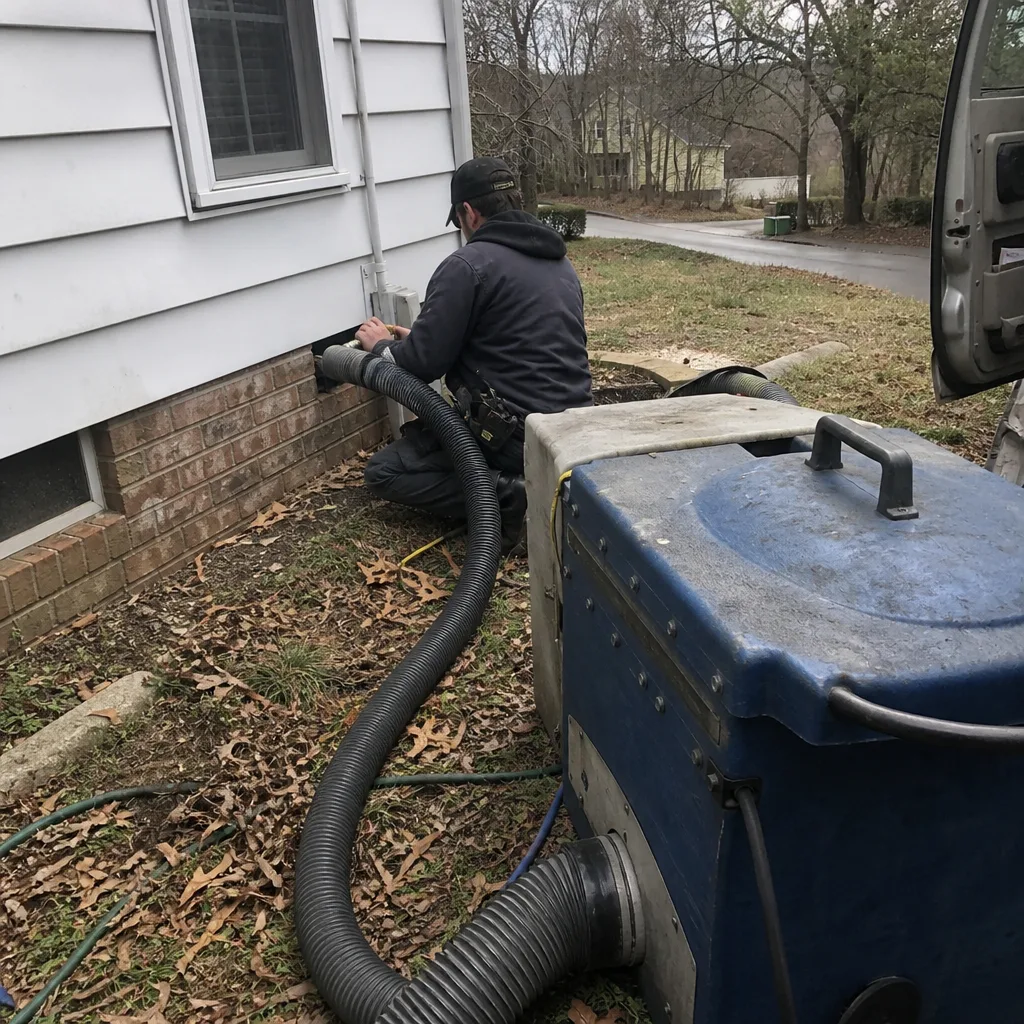 Before
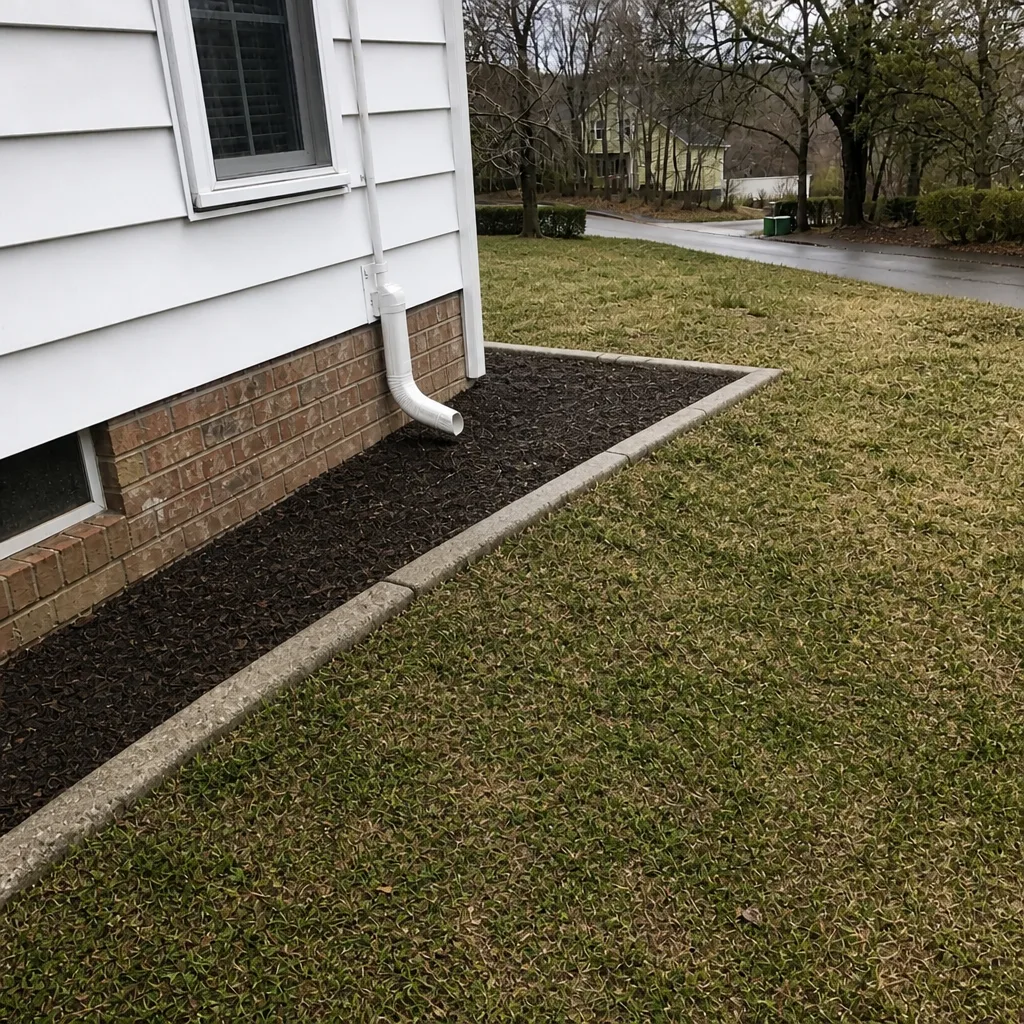 After
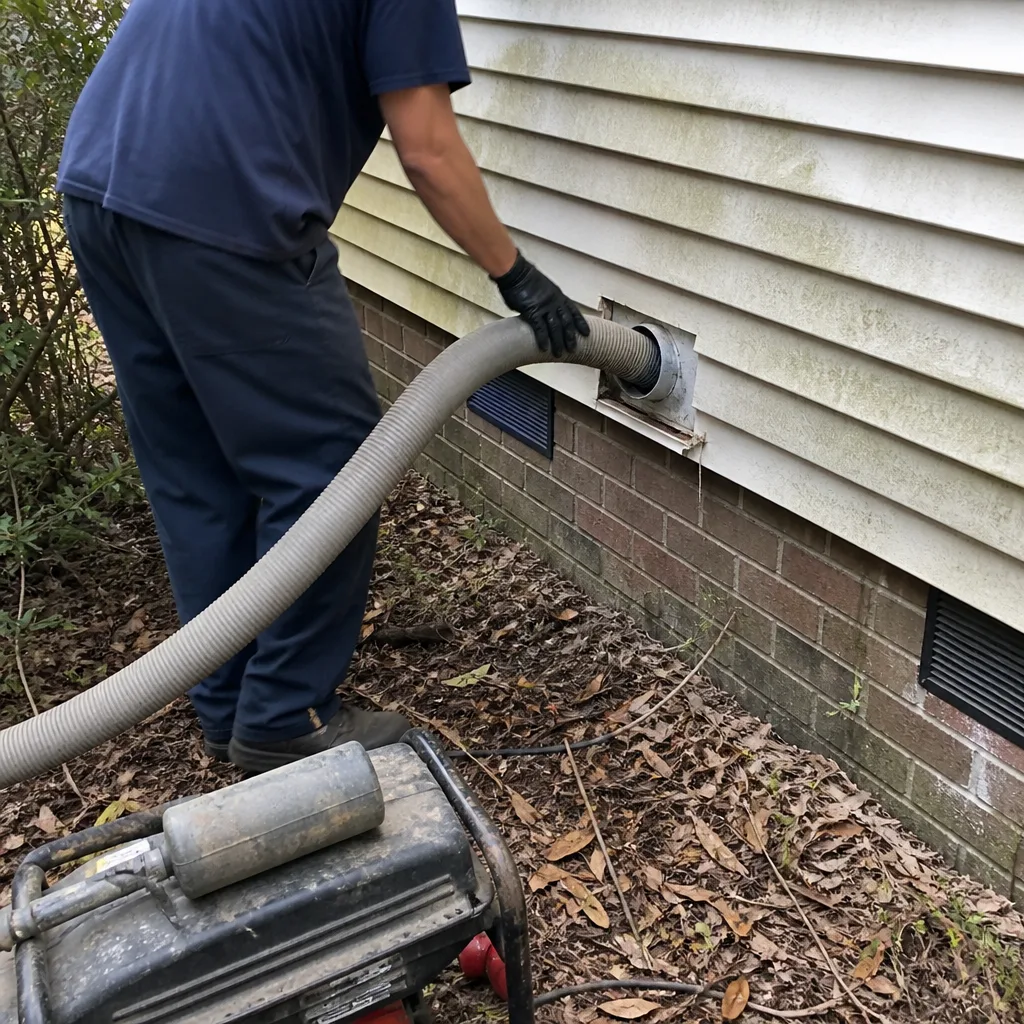 Before
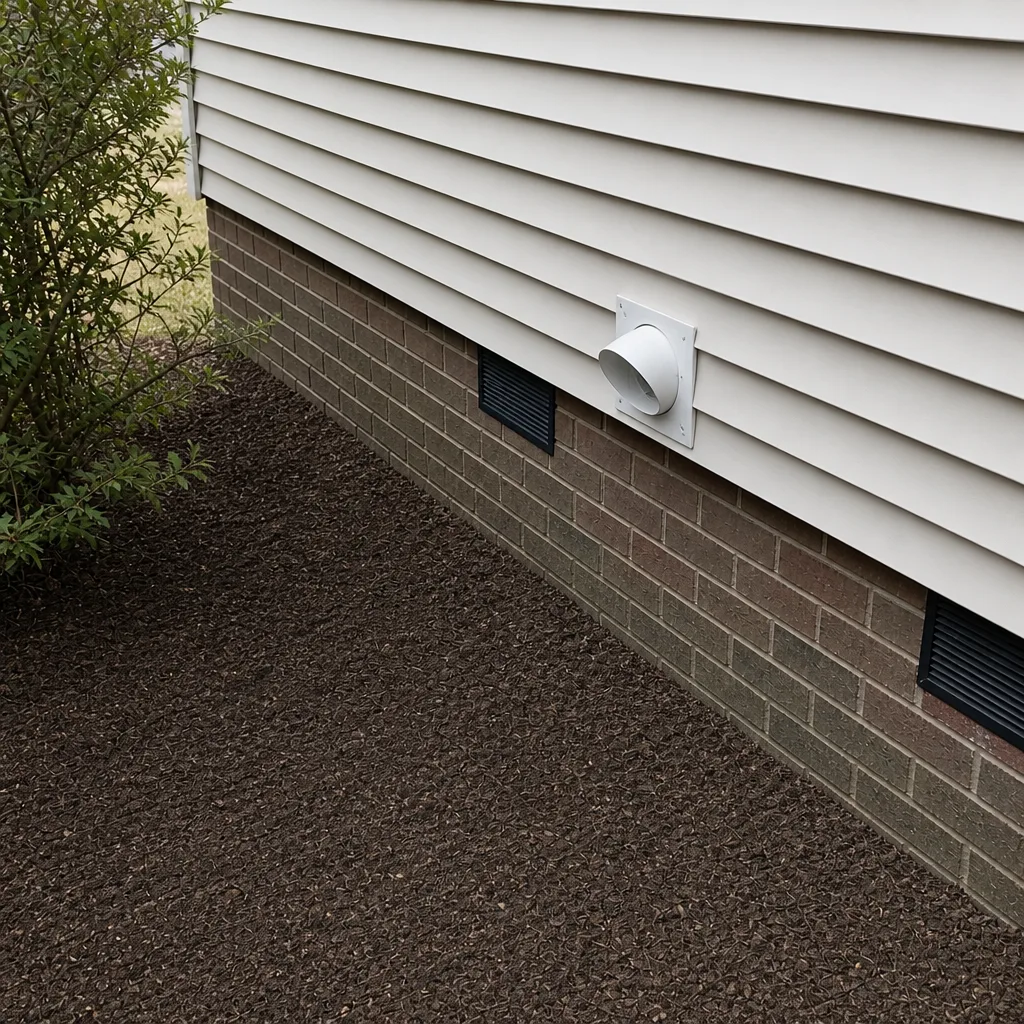 After
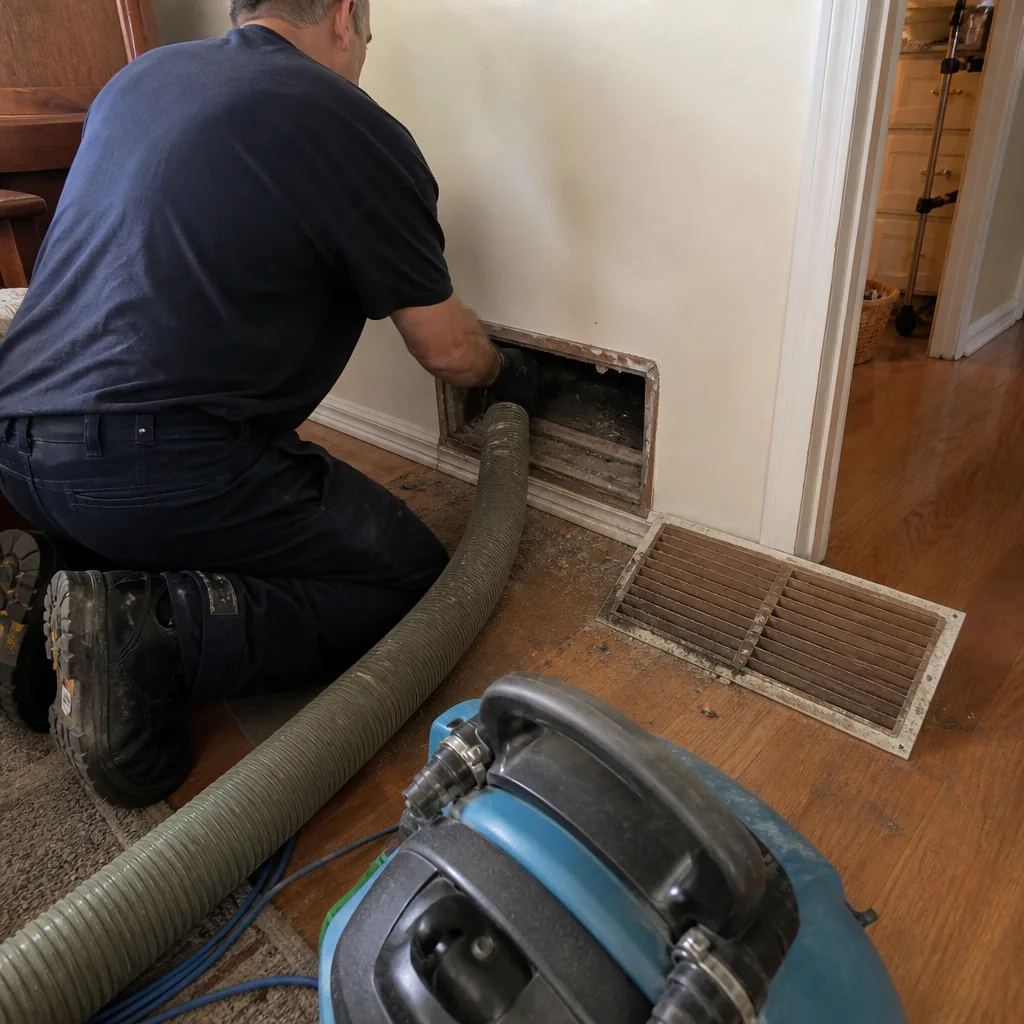 Before
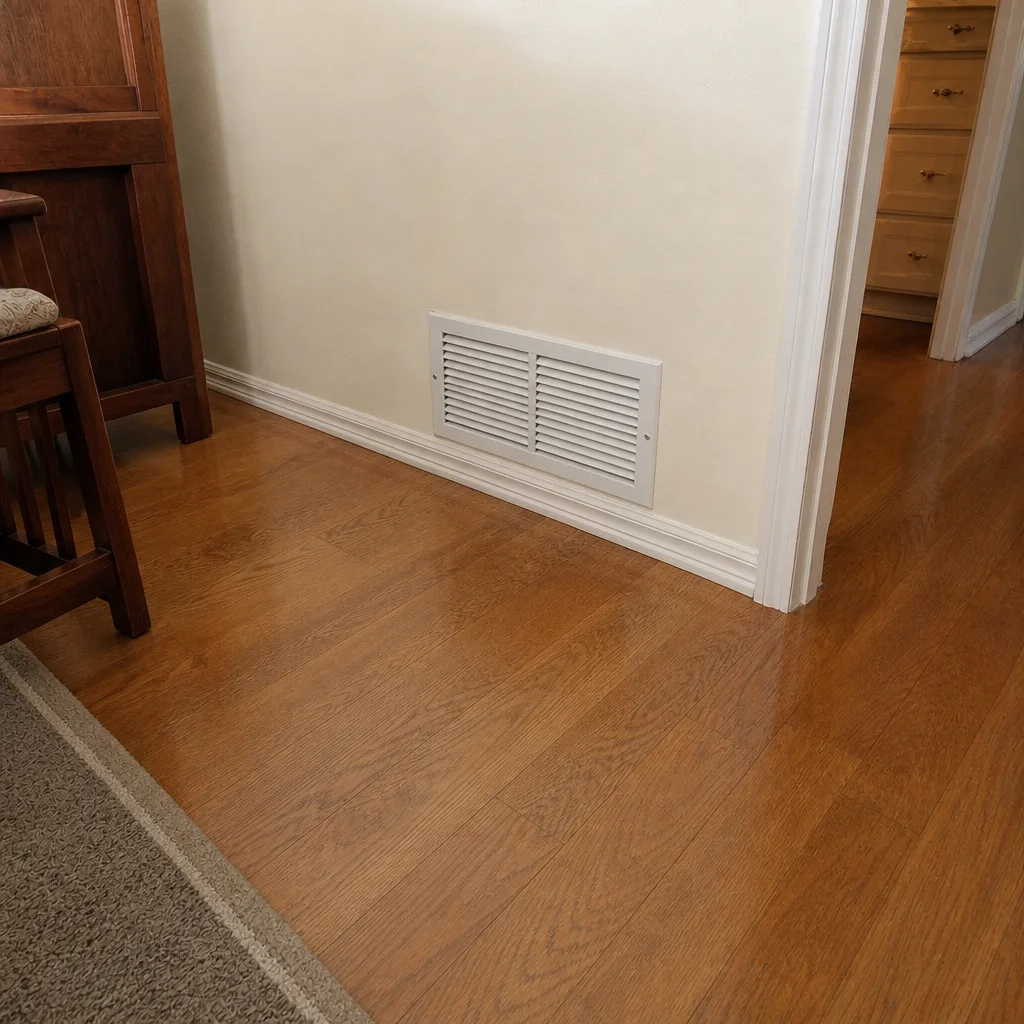 After
When to Call a Professional
Call a professional when you notice consistent dust buildup on registers and surfaces just days after cleaning, when airflow feels weak in specific rooms, when you smell a musty or stale odor coming from the vents, or when you’re moving into a home and don’t know the duct history. Call when you’re considering renovations that will disturb the ductwork, or when you’ve just finished one. Call when a dryer takes noticeably longer to dry a load, or when the exterior dryer vent flap doesn’t move. Call when a technician has told you a duct run is damaged and you need a second opinion with actual inspection behind it. Wilmington Duct Cleaning offers free estimates in Wilmington. Call (855) 360-7068 and we’ll walk you through what your system needs and what it doesn’t.
Frequently Asked Questions
Air duct cleaning in Wilmington typically runs in the range a homeowner would expect for a full system of a single-family home, and the price is always set per job by a written estimate after the system is inspected. The number you see in an ad is a starting point, not a quote; the written estimate is the price. Call (855) 360-7068 for an exact quote, and the estimate is free.
Cheaper quotes almost always reflect a narrower scope: fewer branches cleaned, no agitation tools, weaker containment, and sometimes a price that changes once the technician is on site. A real cleaning on a full system takes time and professional equipment, and the price reflects both. If a quote seems dramatically out of line with the others, ask the company to spell out what’s included. Call (855) 360-7068 for a written scope and a free estimate.
Ask for before-and-after photos or video of your own duct interior, taken during the job. A company that photographs its work hands you documentation you can compare to a future inspection. If a company can’t or won’t document the job, keep asking questions. Call (855) 360-7068 and we’ll explain what you’ll see during the cleaning and what you’ll have in hand afterward.
Most homes don’t need it on a strict schedule. Every few years is a reasonable baseline for many households, but the real triggers are events: a renovation, a move-in, a pet-heavy home, water intrusion, or dust problems that keep coming back. Inspect before you schedule. If the ducts are clean, a professional will tell you so. Call (855) 360-7068 to book an inspection and a free estimate.
Yes. Lint-clogged dryer vents are a documented residential fire risk regardless of climate, and Wilmington’s humidity means lint can cling more readily inside the vent. A dryer that runs longer than it used to, or a vent flap that doesn’t swing open, is a reason to have it checked. It’s a separate service from air duct cleaning, and it should be treated that way. Call (855) 360-7068 for a dryer vent cleaning estimate.
Some companies handle both, and it’s worth asking before you book. A single company that cleans and repairs can seal a leak or reconnect a dislodged run during the same visit rather than referring you out. If you’ve just had a duct inspection tell you there’s a problem, one company handling it saves time and often cost. Call (855) 360-7068 to talk through what your system needs.
The Bottom Line
Brand recognition is a marketing signal, not a capability signal. The things that actually determine whether your ducts get cleaned properly are the collection unit and its rated suction, whether the crew brings real agitation tools, whether containment equipment is part of the process, and whether the company can repair what the cleaning turns up. Ask for the make and model, ask for the scope in writing, read reviews for detail rather than stars, and match the contractor to the housing you live in. Wilmington Duct Cleaning brings Rotobrush and Nikro systems to residential jobs, handles cleaning and repair under one roof, and treats dryer vent service as the fire-safety service it is. Our technicians have up to 13 years of experience. If you want to talk through your system before choosing anyone, call (855) 360-7068 for a free estimate.
Written by the team at Wilmington Duct Cleaning.