
Last updated November 15, 2026
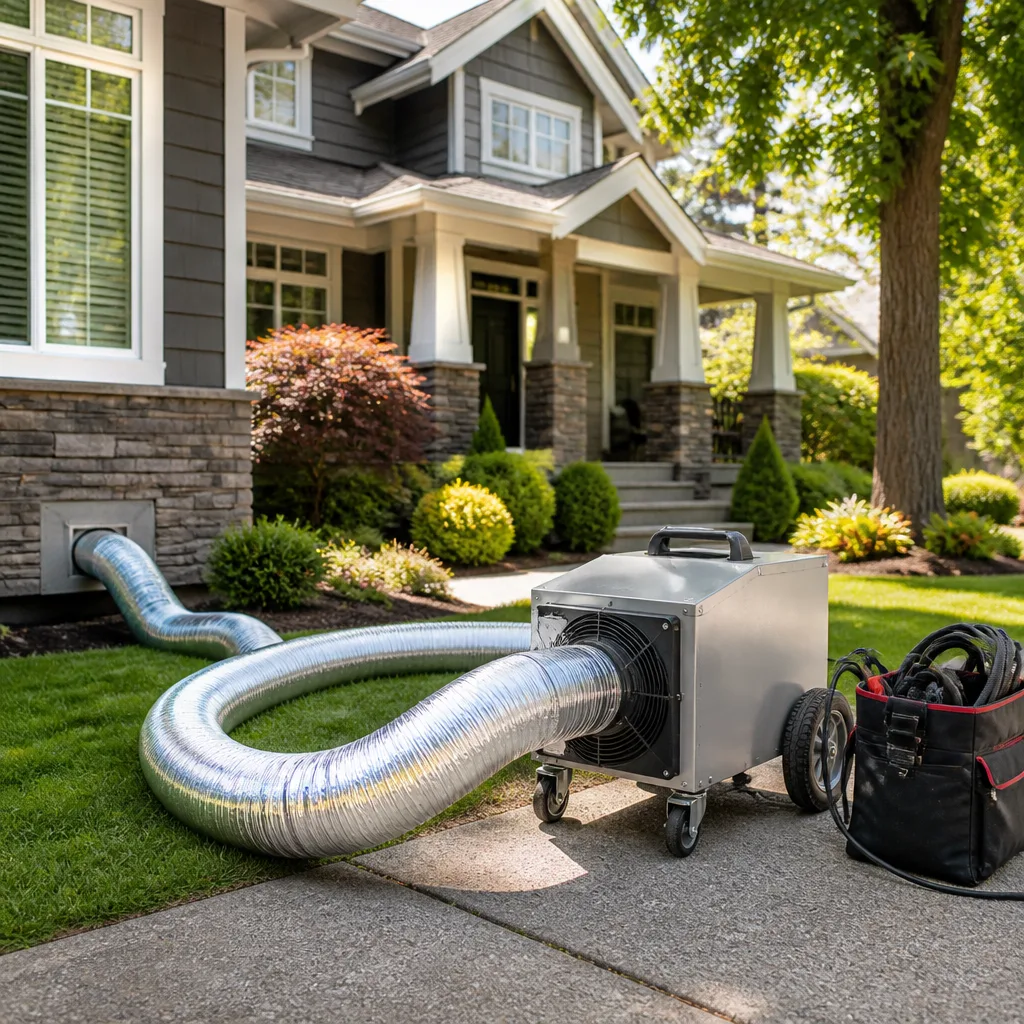 Whole-home duct cleaning
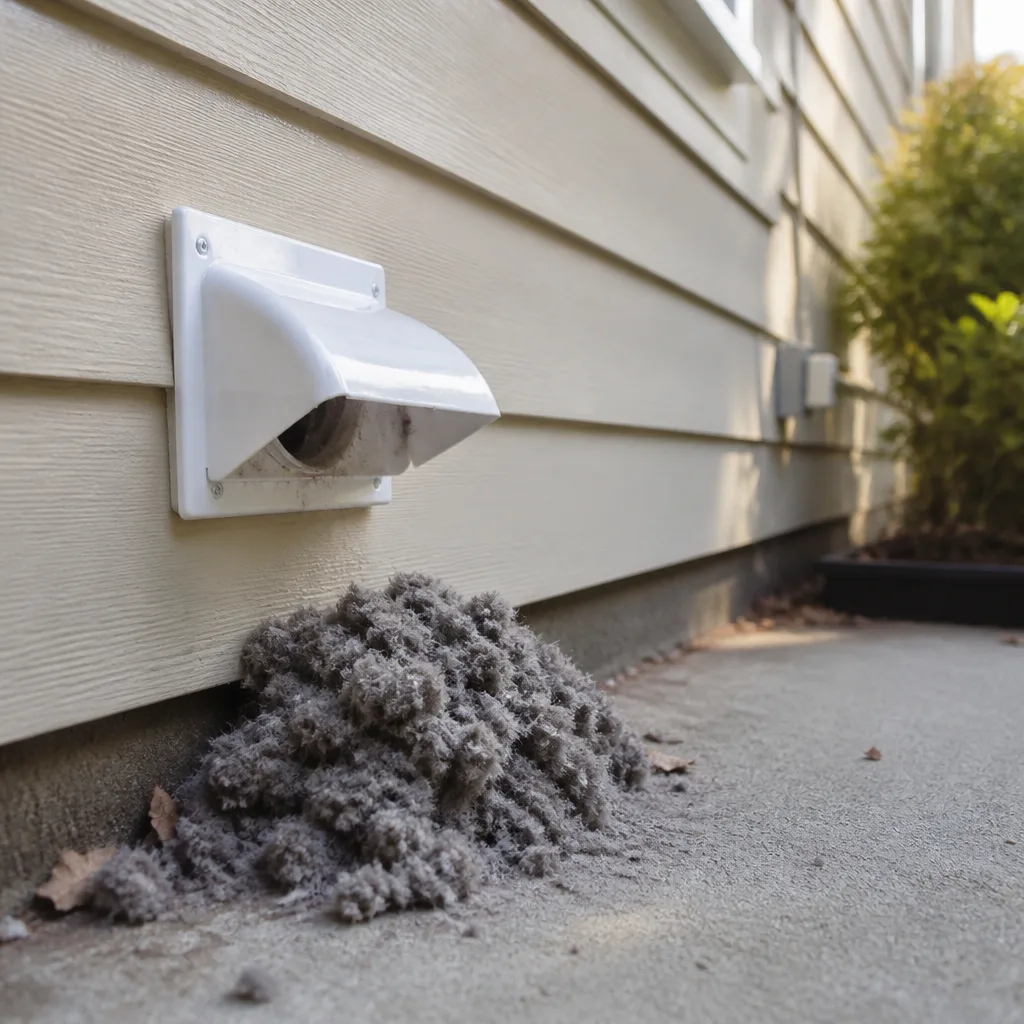 Dryer vent cleaning
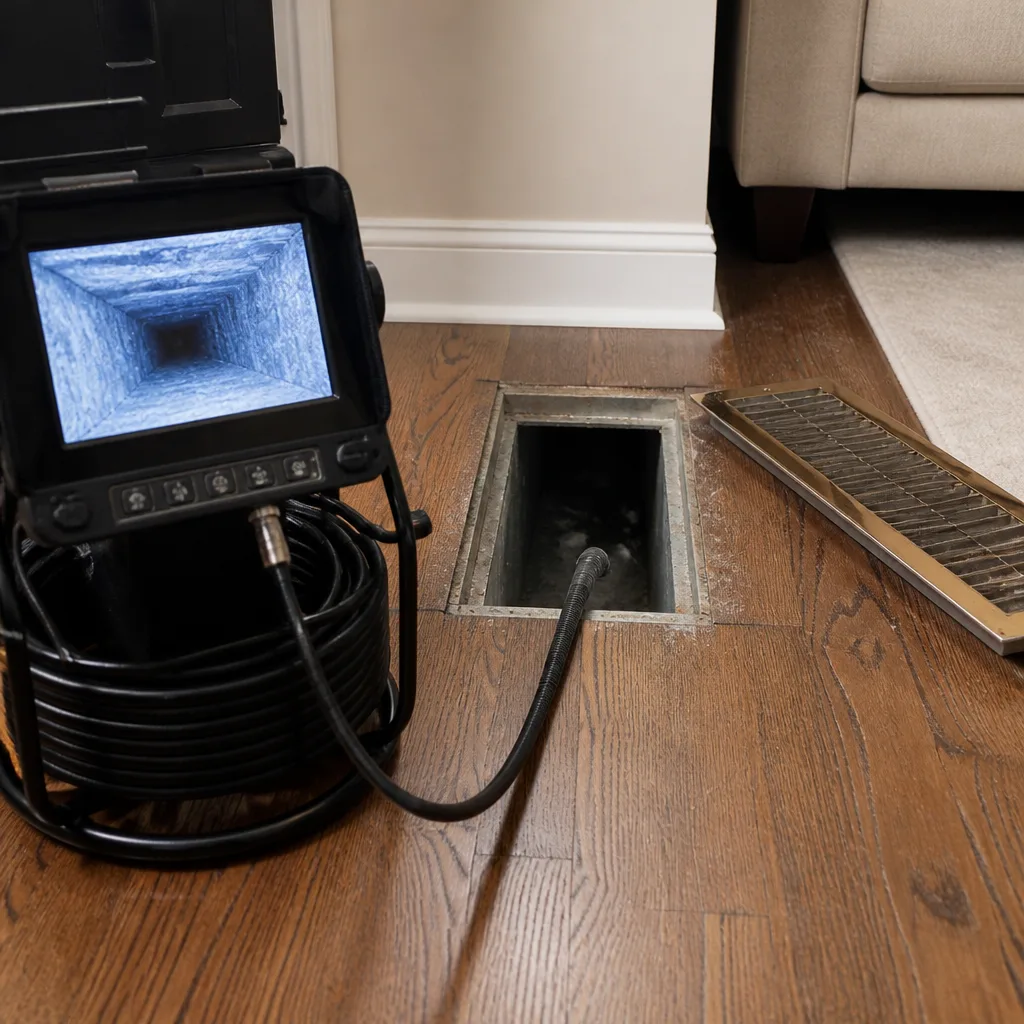 Camera inspection
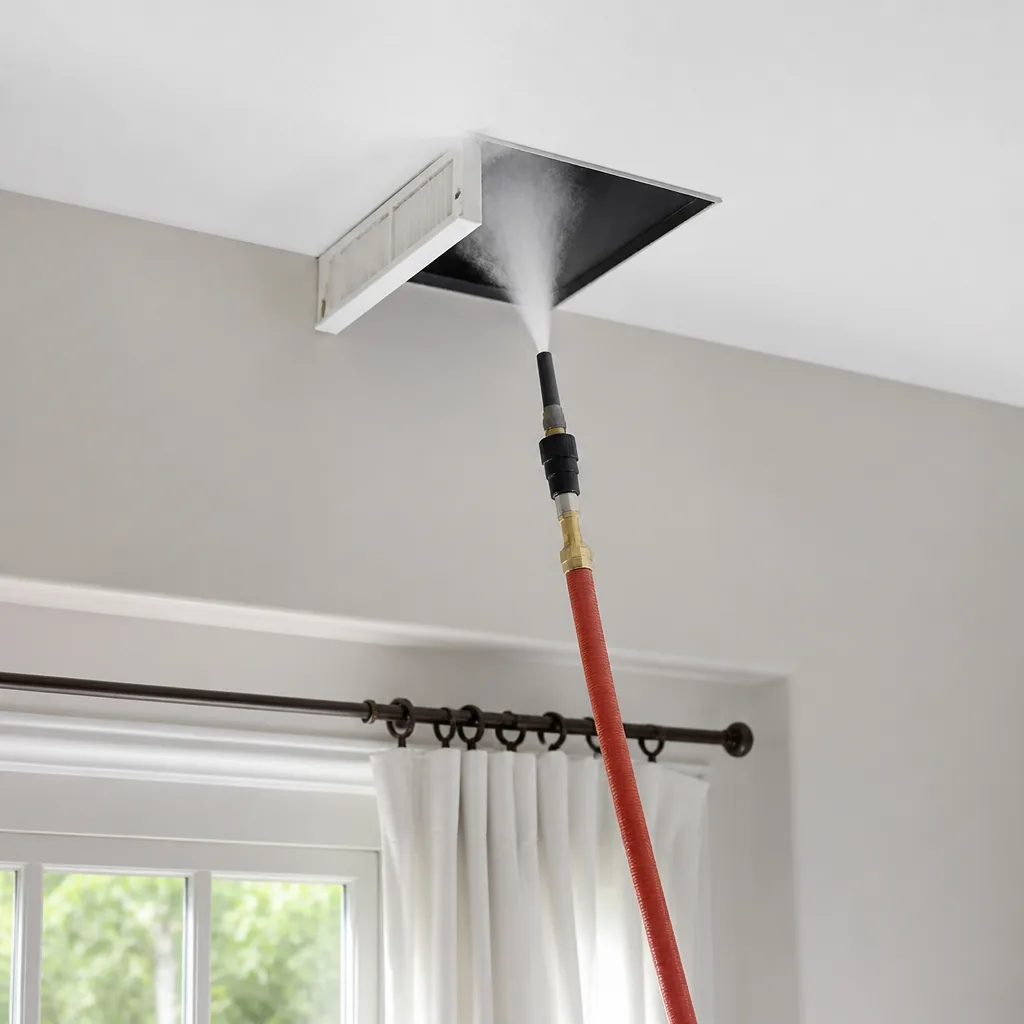 Sanitizing & deodorizing
Whole-system duct and dryer vent check with before-and-after photos - you see exactly what came out of your vents
That "$99 whole-house special" is a bait ad - the real number appears once they are in your hallway, or the "clean" is a shop-vac at the register. We photograph the inside of your ducts before and after instead.
Air Duct Cleaning Emergency Preparedness Guide for Wilmington Homes
Most homeowners treat a hurricane as a roofing problem. The shingles get the attention, the insurance adjuster gets the call, and the ductwork in the attic gets ignored until the first cold snap, when a strange smell starts coming out of the vents. That’s backwards. The duct system is the one part of your house that touches every room, and in a storm corridor like ours it’s also the part most exposed to wind-driven rain, pressure swings, and debris. This guide walks through what to do before a storm makes landfall in Wilmington, how to restart your system safely afterward, and how to document duct condition for an insurance claim. You’ll also learn how to tell whether cleaning is really needed.
Quick Answer
Before a hurricane, seal your return grilles and shut off the HVAC at the breaker so pressure-driven moisture and debris can’t get pulled into the duct system. After the storm, inspect the air handler, return plenum, and any accessible duct runs before you turn the system back on. If the ducts took on water or sat unventilated in high humidity, professional cleaning and possibly repair are warranted; if the system stayed dry and sealed, you likely don’t need to spend the money.
Styles & brands we work with
- Whole-home duct cleaning
- Dryer vent cleaning
- Camera inspection
- Sanitizing & deodorizing
Table of Contents
- Why Wilmington Ducts Are Vulnerable During Hurricane Season
- Before the Storm: A Pre-Landfall Protocol for Your HVAC Ducts
- After the Storm: A Restart Checklist Before You Turn the System On
- How Do You Know If Your Ducts Actually Need Cleaning After a Storm?
- The Moisture Clock: How Long Flex Duct Can Sit Wet Before Growth Starts
- Documenting Duct Condition for an Insurance Claim
- When Storm Damage Calls for Duct Repair, Not Just Cleaning
- Why Your Dryer Vent Belongs in the Same Preparedness Plan
Why Wilmington Ducts Are Vulnerable During Hurricane Season
Wilmington sits in one of the most active hurricane corridors on the East Coast, and the geography does your ductwork no favors. Most homes here have at least part of their duct system running through the attic or crawlspace, both of which are unconditioned spaces that take the full brunt of wind-driven rain and pressure changes. When a storm pushes a low-pressure system overhead, the outside air pressure can drop fast enough to pull air – and whatever moisture and debris is in it – inward through every small gap in the system.
Homes in Landfall, Masonboro, and along the coast tend to sit at lower elevations where storm surge and flooding are a real risk, but inland neighborhoods like Ogden and Monkey Junction aren’t automatically safe. Long-duration rain events can saturate the ground, flood crawlspaces, and push humidity into the duct system even without visible water in the living space.
Hurricane Florence in 2018 dropped more than 30 inches of rain on Wilmington, and much of the resulting indoor air quality trouble we’ve seen in the years since had nothing to do with visible flood damage. It came from duct systems that had drawn in saturated air and storm debris for days before the homeowner had any reason to check. That’s the gap this guide is built to close.
Before the Storm: A Pre-Landfall Protocol for Your HVAC Ducts
Sealing return grilles and shutting the system off at the breaker before landfall is the single most effective step you can take to protect the ductwork. The goal is simple: stop the system from pulling storm air into the house. Here’s the sequence we recommend for Wilmington homeowners when a storm is two to four days out.
- Turn the thermostat to OFF and flip the air handler breaker. Do this before you start sealing anything. A system that cycles on during a pressure swing will undo every bit of prep you do.
- Seal the return grilles. Use painter’s tape or a fitted piece of plastic sheeting taped at the edges to close off every return grille in the house. Returns are the intake side of the system, so they’re the doorway storm air uses to get into the ducts.
- Close and seal supply registers lightly. You don’t need an airtight seal on the supply side, but closing the dampers reduces the amount of humid outside air that can back-flow through leaks in the system.
- Check the attic for existing duct damage before the storm arrives. Look for sagging flex duct, disconnected joints, or a return plenum that’s pulled loose from the air handler. Any gap that already exists is going to be a gap when the wind hits.
- Move loose attic items away from the duct runs. Storm-driven vibration and shifting contents can puncture or crush flex duct, and a crushed run is a restriction you’ll be living with long after the storm is gone.
- Photograph the duct system and air handler as they sit today. This is your “before” set of images if you end up filing a claim.
If you’re a property manager responsible for multiple units around Wilmington, walk each one through the same list. A repeatable protocol travels well between buildings, and documentation is easier when the pre-storm photos look the same in every unit.
After the Storm: A Restart Checklist Before You Turn the System On
Don’t turn the HVAC back on until you’ve visually inspected the air handler, return plenum, and every accessible duct section. The sequence matters. Running the system while there’s standing water in the ductwork pulls that moisture into every room and can damage the blower motor and coil.
- Confirm power is stable. If your home lost power and the breaker panel took on any water, that’s an electrician’s call, not ours. High-voltage panels and standing water are a dangerous combination – never open a wet panel yourself.
- Inspect the air handler cabinet. Open the access door and look for standing water, dripping from the coil, or rust streaking on the cabinet interior. Any of those signals mean the cabinet needs to dry before a restart.
- Check the return plenum connection. This is where the return duct meets the air handler. If it’s pulled loose or has separated at the seam, the system will draw attic or crawlspace air straight into the house on the next call for heat or cooling.
- Look at every accessible duct run. In the attic and crawlspace, check for water staining, sagging flex, and disconnected sections. Flex duct that’s visibly holding water needs to be replaced, not dried in place.
- Sniff the return grille before you run the fan. A musty, earthy, or chemical smell at the return is a strong indicator that the system took on moisture.
- Turn the breaker on, then the thermostat on fan-only for a short cycle. Listen for unusual noise and smell the air coming out of the supply registers. If either seems off, shut it down and call a professional.
We offer air duct cleaning and repair together for a reason: an after-storm inspection often finds both problems on the same job. Cleaning a system with a separated return plenum just recirculates the same attic air you’re trying to get rid of.
How Do You Know If Your Ducts Actually Need Cleaning After a Storm?
Most homes that come through a storm with the system properly sealed and dry do not need duct cleaning. That’s the honest answer, and it’s worth saying plainly because the opposite message is what gets a lot of Wilmington homeowners to spend money they didn’t need to. Here’s how to sort real need from unnecessary expense.
Signs you likely do need cleaning or repair:
- Visible water staining inside flex duct or at a duct joint
- A persistent musty smell when the system runs
- Visible debris – insulation fibers, leaves, silt – inside a return drop or plenum
- A return plenum that separated from the air handler and drew attic air for any length of time
- Dryer vent clogging that coincided with storm debris in the surrounding space
- Diagnosed or suspected mold growth inside the duct system
Signs you likely don’t:
- The system stayed sealed and dry, and the home never flooded
- No odor at the return grilles
- No visible water intrusion in the attic or crawlspace
- Filters were dry and the return plenum was intact after the storm
If you’re on the fence, an on-site inspection settles it. We use Nikro HEPA-rated vacuums and Abatement Technologies negative-air equipment because a proper inspection is only useful if the cleaning that follows contains what’s dislodged inside the system rather than blowing it through the house. A shop-vac and a coupon won’t do that. If a contractor can’t name their equipment, ask why before you book.
The Moisture Clock: How Long Flex Duct Can Sit Wet Before Growth Starts
Flex duct that has taken on water and isn’t dried or replaced starts a clock you can’t pause. Biological growth on the inner liner becomes a remediation problem within days, not weeks. The exact timing depends on temperature, humidity, and how much moisture got in, but the safe assumption in a Wilmington summer is fast.
Here’s the general pattern we’ve seen working on homes around the Cape Fear region:
- Day 1 to day 3: The duct is wet but the damage is largely reversible. If power is restored and the system can run, it may dry with proper airflow – but only if the duct is intact and the plenum is connected.
- Day 3 to day 7: Musty odor starts appearing at supply registers. This is when a lot of homeowners first notice something’s wrong.
- Week 1 and beyond: Growth on the inner liner becomes visible on inspection. At this point, cleaning is necessary, and any duct section with heavy growth should be replaced.
The important point: a Wilmington home can sit without HVAC operation after a storm for several days if power is out, and that’s exactly the window when moisture inside flex duct goes from “problem to solve” to “problem to remediate.” If your power is going to be out for more than a couple of days and you suspect water got into the system, don’t wait for the power to come back. Get a professional inspection started.
Owners of homes in areas like Landfall and Figure Eight Island often have whole-home air quality systems tied in with their ductwork. If your system includes a Honeywell or Aprilaire component – a dehumidifier, a fresh-air intake, a media filter cabinet – the after-storm inspection needs to cover that equipment, not just the ducts. A dehumidifier that ran through the storm without its drain line intact can add moisture to the system instead of removing it.
Documenting Duct Condition for an Insurance Claim
A successful duct damage claim depends on documentation that’s specific, dated, and taken before anyone starts tearing things out. Most homeowner policies cover storm-related water damage to HVAC components, but adjusters need to see the condition of the system as the storm left it, not after cleanup.
What to photograph before any cleanup:
- Wide shots of the attic or crawlspace showing the overall duct layout
- Close-ups of water staining, sagging duct, or separated joints
- The air handler cabinet interior, with the access door open
- The return plenum connection at the air handler
- Any debris visible inside a return grille or register boot
- A tape measure or ruler next to visible water lines, if you can do it safely
What a contractor report should contain:
- Date of inspection, phrased in the report itself
- A description of what was found by location (attic, crawlspace, return plenum, air handler)
- Moisture readings, if taken, and how they compare to normal for the season
- Photographs referenced by number to specific findings
- Recommendations split into cleaning versus repair so the adjuster can evaluate each
- An explicit statement of whether the system was running during the storm
What a report shouldn’t contain: estimates written as fact, or claims about storm damage that weren’t seen on the inspection. An honest report stands up better than an inflated one, both with adjusters and over the life of the home. If you’re planning to file, get an inspection on record before you hire anyone to clean.
When Storm Damage Calls for Duct Repair, Not Just Cleaning
Storm damage often does the most expensive harm at the connections, not inside the duct itself. A return plenum pulled loose from the air handler, a flex run crushed by falling attic contents, or a section of duct that took in enough water to collapse its inner liner are all repair jobs, not cleaning jobs. Cleaning a system with these problems wastes money and can make them worse.
That’s why we offer Wilmington Duct Cleaning as three connected services rather than a cleaning-only shop. When we’re on site for a post-storm inspection, we identify repair needs at the same time and quote them in the same visit. You don’t have to source a second contractor for the repair work, and you don’t have to guess whether a leak at the plenum matters.
The specific repairs we handle most often after a storm:
- Reconnecting a separated return plenum at the air handler
- Replacing crushed or water-damaged flex duct runs
- Sealing leakage at joints, boots, and register cans
- Rebuilding duct sections that couldn’t be saved after water intrusion
Repairs found during a cleaning are usually scheduled as a follow-up visit rather than squeezed into the same slot, so the work gets done right rather than fast. That’s the trade we’d want in our own homes.
Why Your Dryer Vent Belongs in the Same Preparedness Plan
Your dryer vent has the same storm vulnerabilities as your HVAC ducts, and a much higher fire risk if something goes wrong. A vent that’s already partially clogged with lint is one backing-up dryer sequence away from a problem after a storm, especially if debris found its way into the exterior hood or a low crawlspace vent connection.
After a storm, check the exterior dryer vent hood first. If the flap is stuck open or blocked with yard debris, run a cycle with the dryer empty and step outside to confirm air is moving. If it isn’t, don’t use the dryer until the vent is cleared. This is the reason we treat dryer vent cleaning as its own service rather than an add-on: it addresses an NFPA-documented fire risk, and it’s the kind of work that deserves its own slot on the schedule.
Common Mistakes to Avoid
- Turning the system on immediately after the storm to “test it.” If the return plenum is disconnected or water is in the ductwork, that first cycle spreads moisture and attic air through every room. Inspect first.
- Skipping the breaker shutoff before sealing. A sealed grille doesn’t help if the system kicks on during a pressure swing and pulls against the tape. Shut the breaker first, then seal.
- Assuming no visible flood means no duct damage. Wilmington storms often drop 10 to 20 inches of rain without flooding the interior, and the duct system can take on moisture from humidity and pressure alone.
- Hiring a low-bid cleaning without asking about equipment. The bait-and-switch reputation in this trade is deserved. Ask what vacuums and containment equipment they use, and expect specific answers – not “state-of-the-art.”
- Skipping the “before” photos for insurance. Once cleanup starts, the adjuster’s job gets harder and your claim gets weaker. Photograph the system before any contractor touches it.
- Only checking the ducts and ignoring the dryer vent. Both systems are exposed to the same storm debris, and the dryer vent carries the higher fire risk if it’s partially blocked.
- Cleaning the ducts but not repairing the plenum. A cleaning without fixing a separated return or a crushed run is money spent twice – once for the cleaning, again for the repair that should have come first.
See the difference
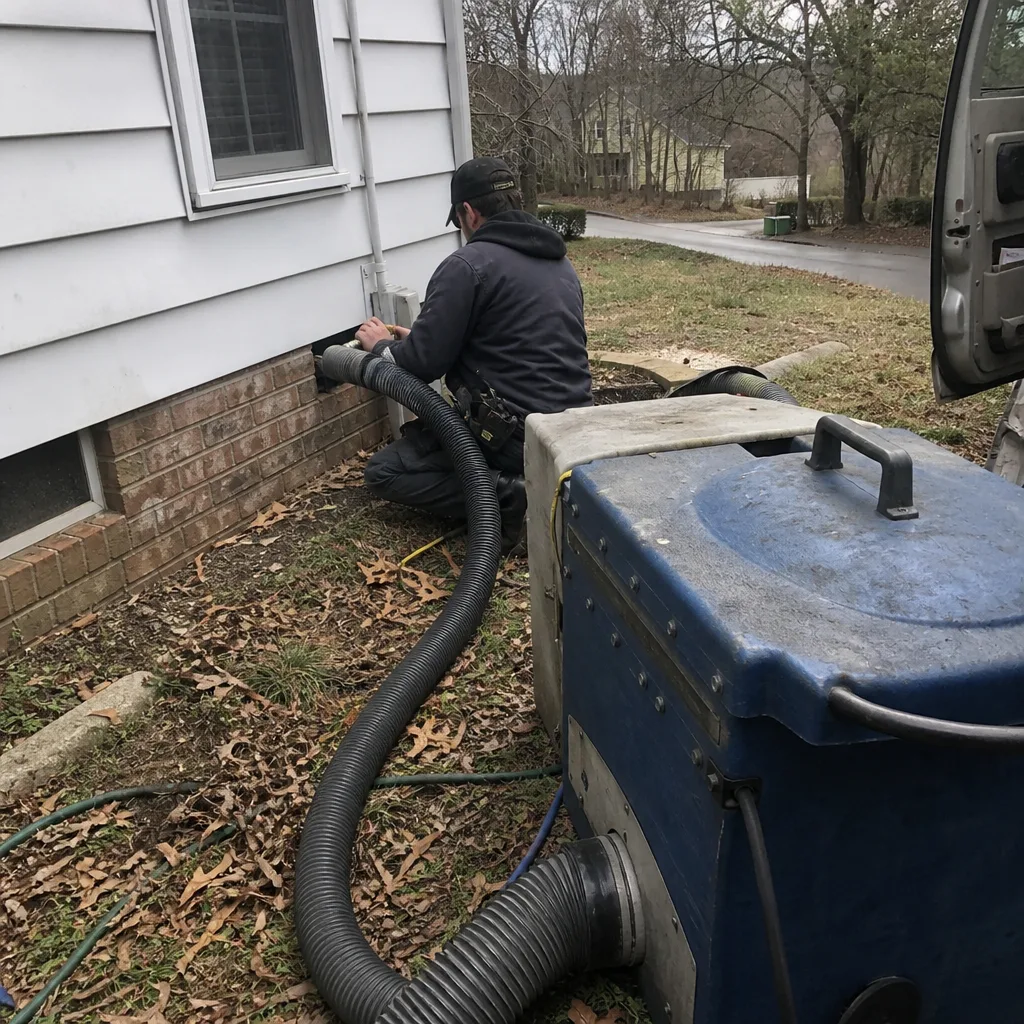 Before
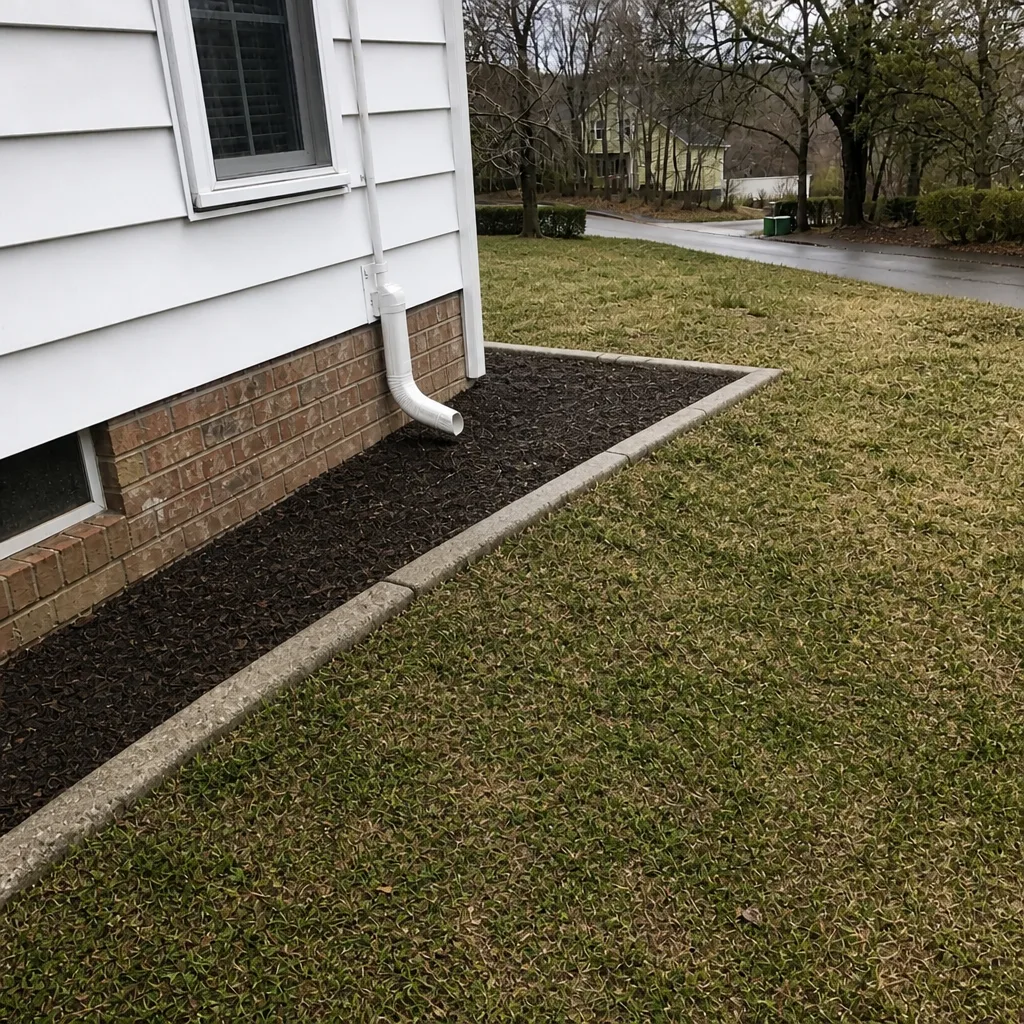 After
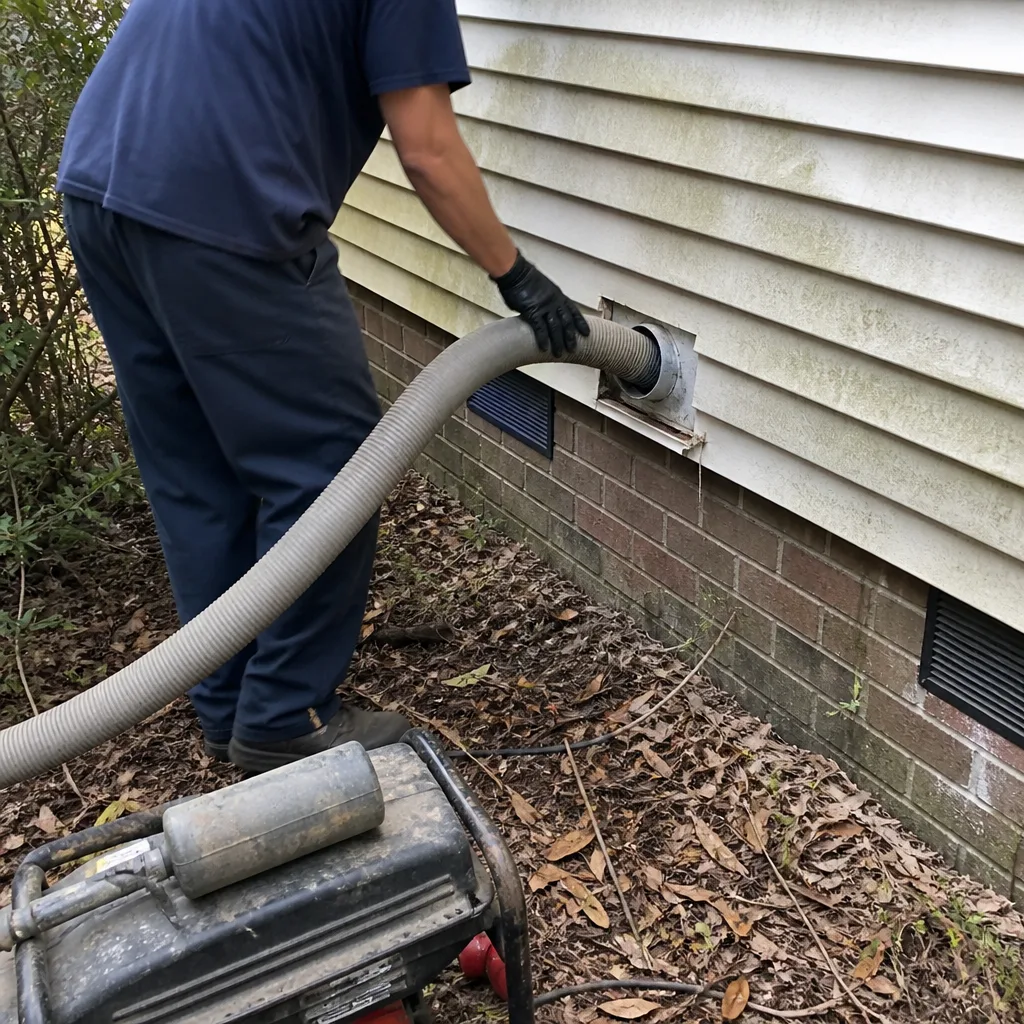 Before
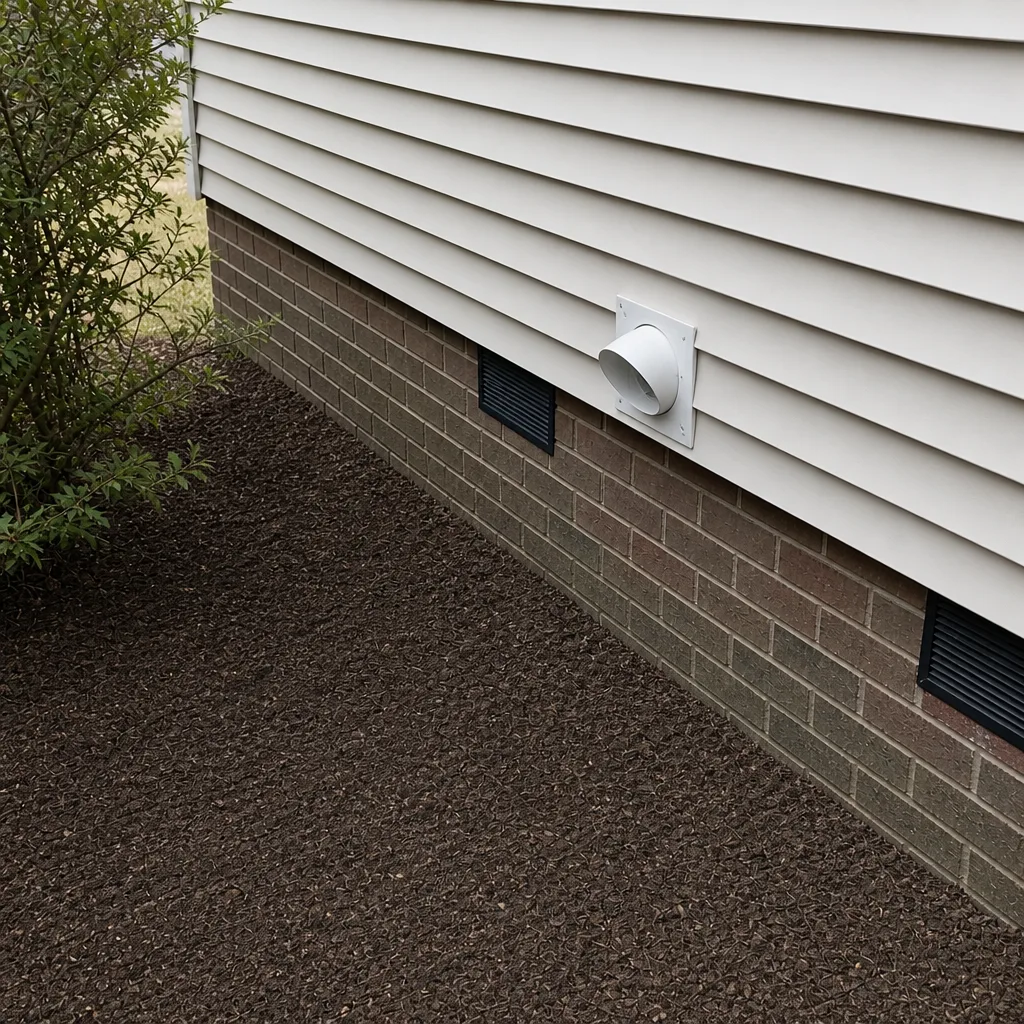 After
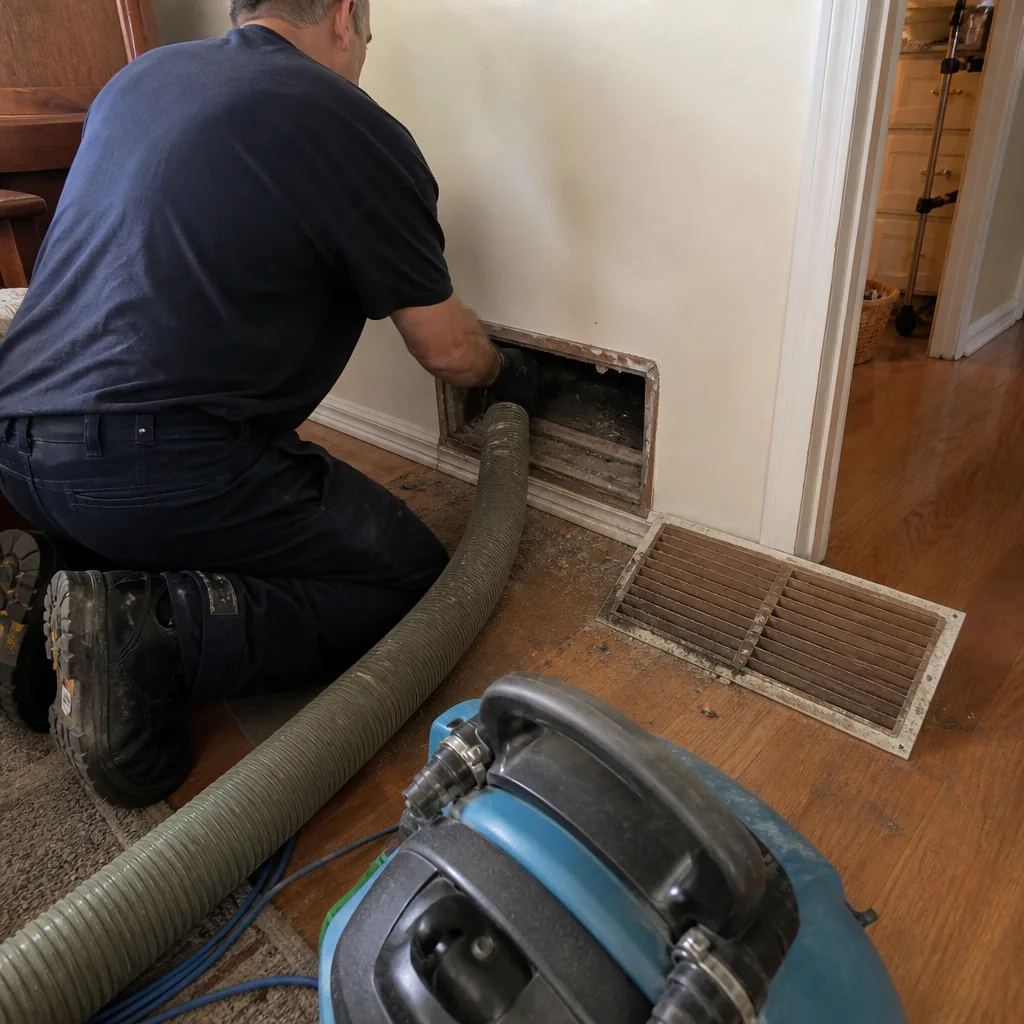 Before
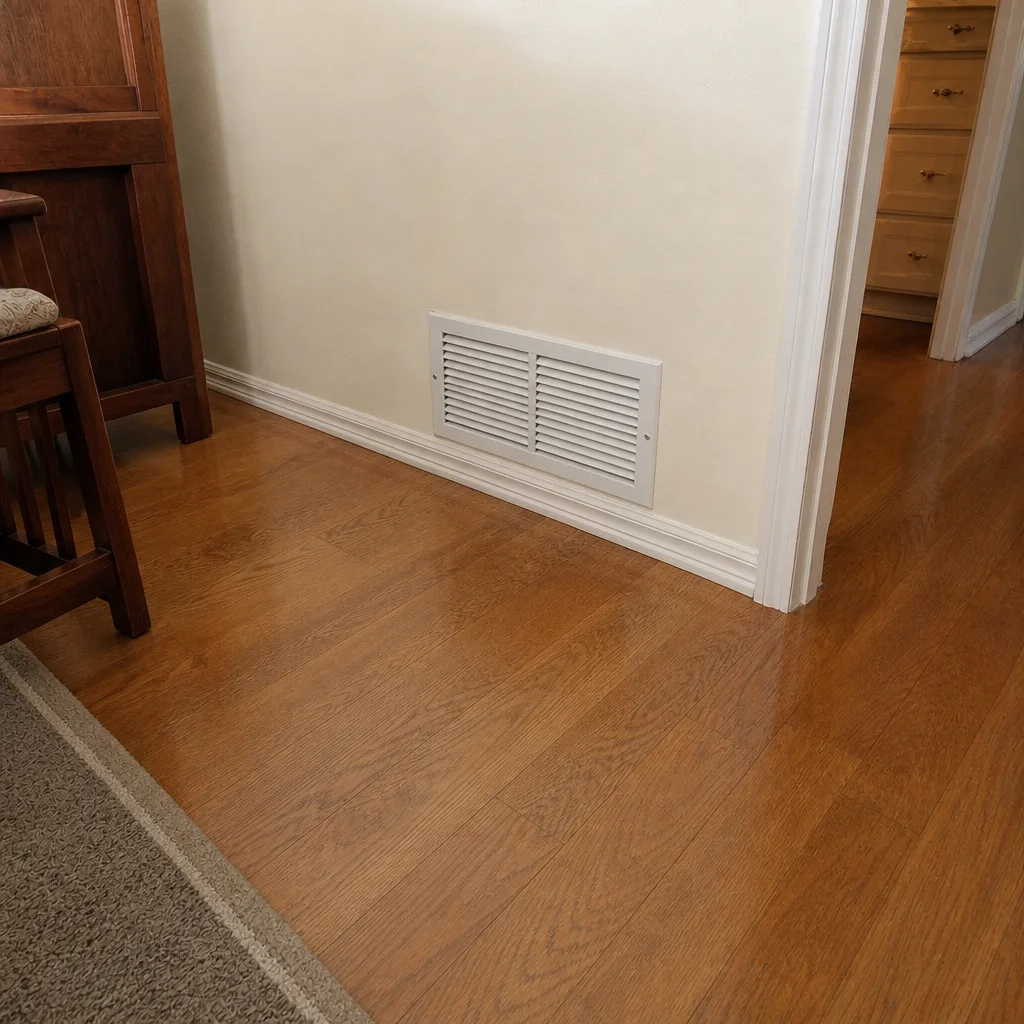 After
When to Call a Professional
Call a professional if you saw water inside the ductwork, if the return plenum came loose from the air handler, if any duct run collapsed or was crushed during the storm, or if you’re smelling something musty at the return grilles that didn’t go away after running the system for a few hours. Call too if you’re planning an insurance claim and want an inspection on record before cleanup starts, or if your home is in the Cape Fear floodplain and sat without power long enough that the system stayed wet for days. A homeowner can reasonably handle the sealing and pre-storm prep. Once the storm has passed and the system is wet, disconnected, or visibly damaged, the safest move is an inspection. Wilmington Duct Cleaning offers free estimates in Wilmington – call (855) 360-7068.
Frequently Asked Questions
No. Homes that came through with the system sealed, power restored quickly, and no visible water intrusion typically don’t need cleaning after a storm. Cleaning is warranted when there’s water staining in the ductwork, a musty odor at the return grilles, a separated plenum that drew attic air, or visible debris inside the system. Call (855) 360-7068 for a free inspection if you’re not sure.
Treat it as urgent. Flex duct that took on water starts developing growth on the inner liner within days, not weeks, in Wilmington’s summer humidity. If power is out and you suspect water entered the system, don’t wait for restoration to call for an inspection – that’s the window when a cleaning can prevent a full remediation.
Only after you’ve inspected the air handler, return plenum, and every accessible duct run and confirmed they’re dry and connected. Running the system while water is present or while the plenum is disconnected spreads moisture and outside air through the house. If the inspection turns up any problem, leave the system off until a professional has seen it.
Most standard homeowner policies cover sudden storm-related water damage to HVAC components, but the coverage depends on your policy and how the damage happened. Photograph the system before cleanup, get a contractor inspection on record, and file early. The documentation protocol in this guide is what adjusters tend to ask for.
Ask for HEPA-rated vacuum equipment and negative-air containment, and ask them to name it. Rotobrush rotary brush systems, Nikro HEPA vacuums, and Abatement Technologies negative-air machines are the standard for professional work. If a contractor can’t tell you what equipment they’re bringing, that’s your answer.
You can safely check return grilles, supply registers, and the visible air handler cabinet – those don’t involve opening high-voltage panels or crawling into unsafe attic or crawlspace conditions. Once you’re looking at the return plenum connection, opening the air handler interior, or entering an attic with storm damage, that’s a professional’s inspection. The electrical components inside the cabinet carry real risk.
The Bottom Line
Hurricane preparedness for a Wilmington home starts with sealing returns and shutting the system off before landfall, then walking a careful restart checklist before the first cycle. The moisture clock is the one fact worth remembering: wet flex duct in Wilmington’s summer humidity goes from “fixable” to “remediate” in days. Not every home needs cleaning after a storm, and honest contractors will tell you so – the difference between a cleaning and an unnecessary spend is a proper inspection. Document condition before cleanup if you’re filing a claim. If the system took on water or damage, call Wilmington‘s team at (855) 360-7068. We answer 24/7. Fast dispatch from 7am to 7pm, Sunday through Friday. Free estimates, and our technicians have up to 13 years of experience.
Written by the team at Wilmington Duct Cleaning.