
Last updated November 15, 2026
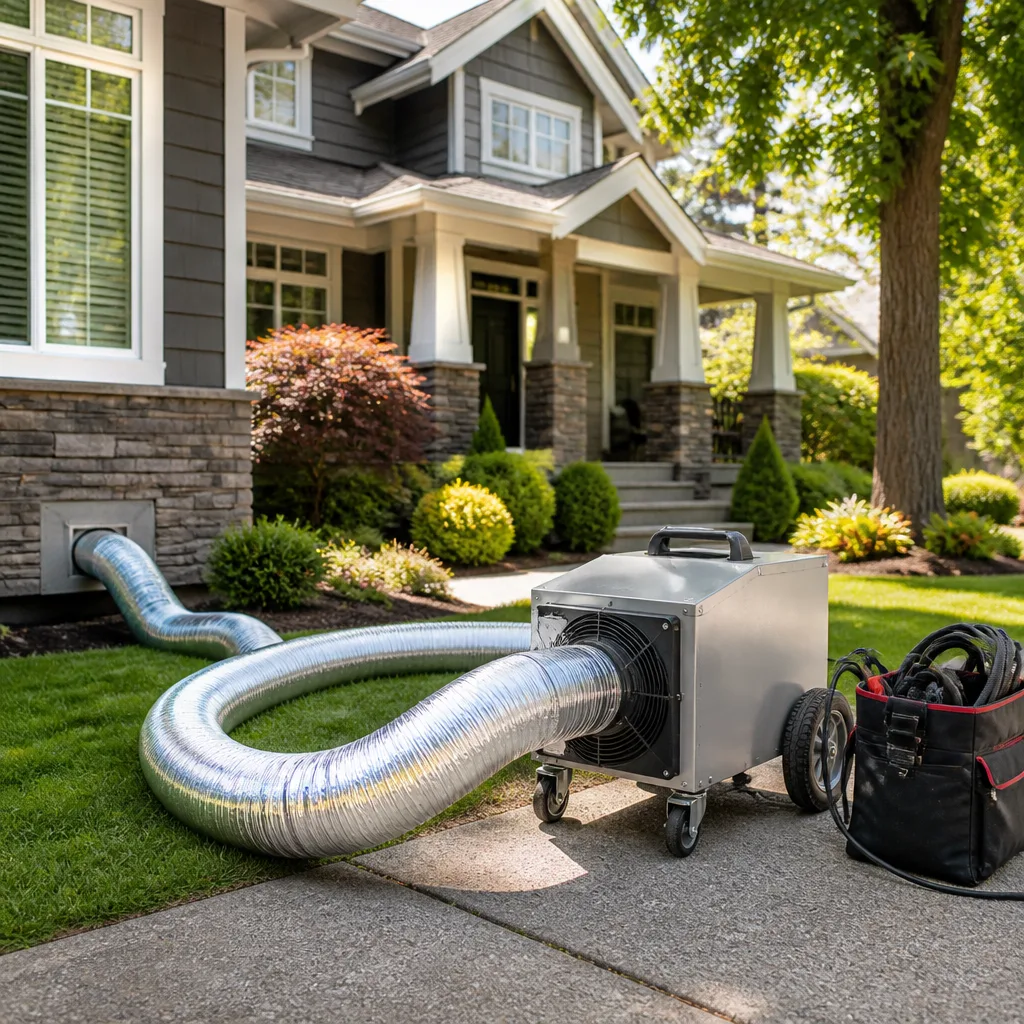 Whole-home duct cleaning
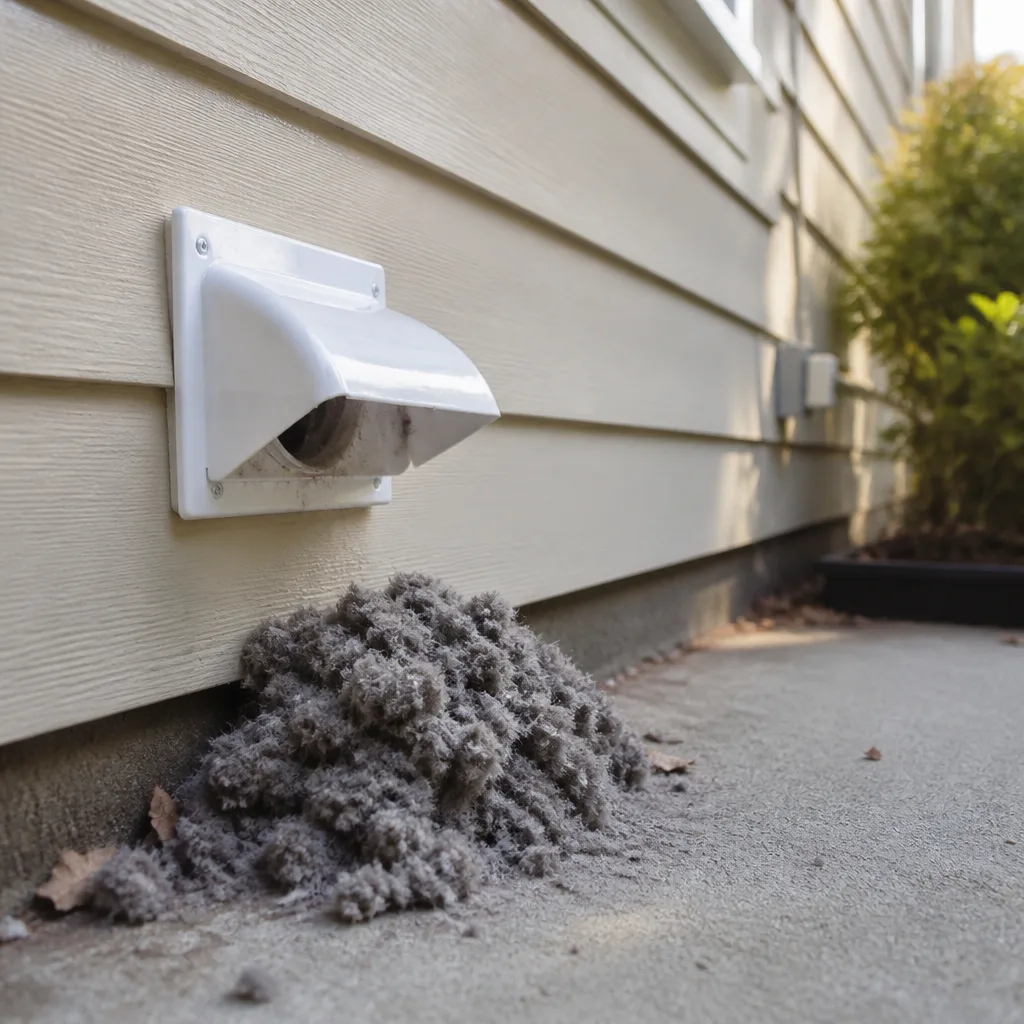 Dryer vent cleaning
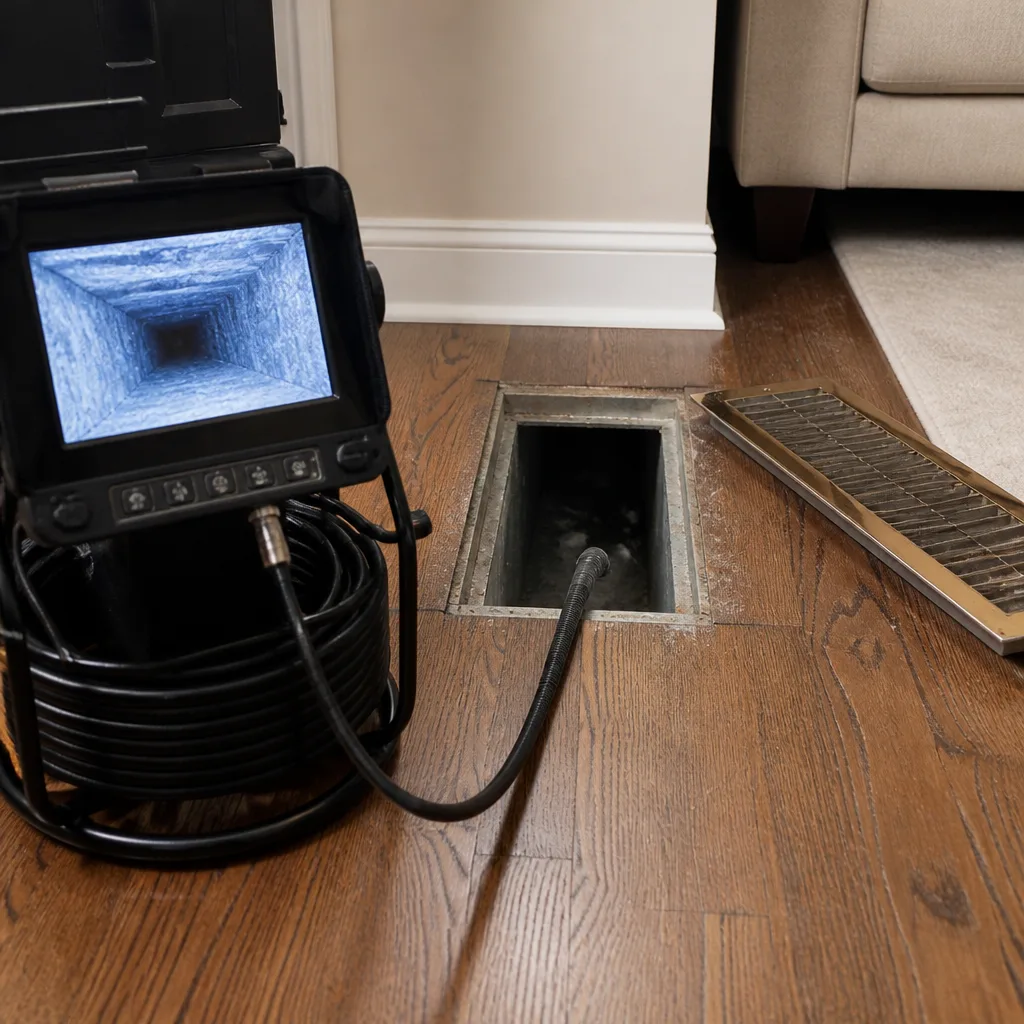 Camera inspection
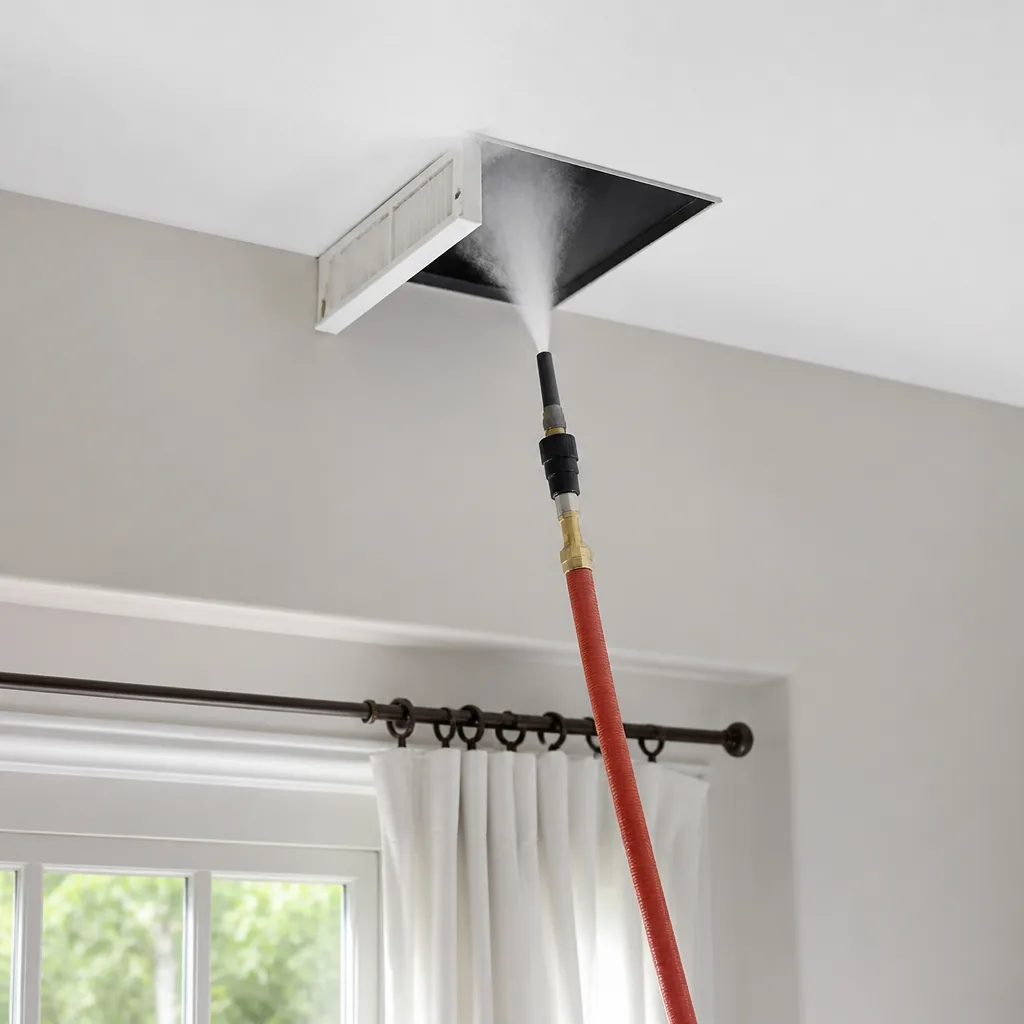 Sanitizing & deodorizing
Whole-system duct and dryer vent check with before-and-after photos - you see exactly what came out of your vents
That "$99 whole-house special" is a bait ad - the real number appears once they are in your hallway, or the "clean" is a shop-vac at the register. We photograph the inside of your ducts before and after instead.
How to Hire an Air Duct Cleaning Contractor in Wilmington: A Step-by-Step Guide
Any person with a shop vac and a website can market air duct cleaning in North Carolina. The state doesn’t require a specialty license for the work itself, which means your vetting questions are the only quality filter in the room. That’s the uncomfortable truth behind this whole category, and it’s why so many homeowners end up frustrated after paying for a job they can’t verify. In this guide we’ll walk through the exact questions that separate a real duct cleaning operation from a coupon operation, explain what a credible answer sounds like, and show you how to read a quote line by line so you know what you’re actually buying in Wilmington.
Quick Answer
To hire an air duct cleaning contractor in Wilmington, verify three things before you book: the equipment they use (a HEPA-rated vacuum with negative-air containment and rotary agitation tools, not a shop vac), whether they price the whole system or charge per vent, and whether they document the work with before-and-after photos. Ask what negative pressure their collection unit pulls and what agitation tools go inside the duct. A contractor who answers those questions clearly and puts the price in writing before work starts is the one to hire.
Styles & brands we work with
- Whole-home duct cleaning
- Dryer vent cleaning
- Camera inspection
- Sanitizing & deodorizing
Table of Contents
- Why North Carolina Licensing Won’t Protect You
- The Three Equipment Questions Every Homeowner Should Ask
- What NADCA Membership Actually Tells You
- Red Flags Specific to the Wilmington Market
- How to Read a Duct Cleaning Quote Line by Line
- The Post-Job Documentation You Should Expect
- A Step-by-Step Hiring Process
- When to Call a Professional
- Frequently Asked Questions
Why North Carolina Licensing Won’t Protect You
North Carolina does not require a specialty license to perform air duct cleaning. There’s no state board that examines duct cleaners, no continuing education requirement, and no exam on duct system science. A general contractor’s license covers construction and remodeling thresholds, not the cleaning of an HVAC distribution system. That distinction matters because it means the barrier to entry in Wilmington is essentially a business license and a vehicle.
What this doesn’t mean is that everyone in the trade is unqualified. Plenty of competent operators work in this market. What it does mean is that the state has handed the due diligence back to you. The credential you’d normally lean on doesn’t exist, so you have to substitute your own questions for it.
Here’s what the absence of licensing actually shifts onto your shoulders:
- Equipment verification. No inspector will check whether the contractor’s vacuum is HEPA-rated or whether their containment setup actually holds negative pressure. You have to ask.
- Process verification. Nothing requires a contractor to clean the return side of the system, agitate the duct interior, or clean the air handler compartment. If you don’t ask, you may get a surface pass only.
- Documentation. No rule compels before-and-after photos. You have to request them and understand what they should show.
- Insurance. General liability and workers’ comp aren’t guaranteed by a state license in this category. Ask for a certificate of insurance before anyone sets foot in your home.
This is not a reason to avoid hiring. It’s a reason to hire deliberately. When you understand that the licensing safety net is missing, you stop assuming someone else checked and start asking the questions that actually predict the outcome. That is the entire skill this guide teaches, and it’s the same skill that carries over to any air duct cleaning decision you make in the region.
The Three Equipment Questions Every Homeowner Should Ask
If you only memorize three questions, memorize these. They’re the fastest way to separate a professional operation from a franchise kit with a magnet on the side. A credible contractor will answer them without hesitation and in specifics. A weak one will pivot to price or tell you not to worry about the technical details.
1. What negative pressure does your collection unit pull, and are you containing the work area?
Negative pressure is the mechanism that keeps dislodged debris from drifting into your living space while it’s being cleaned. A proper setup uses a collection unit connected to the main trunk, plus negative-air machines to hold the occupied rooms under slight negative pressure so dust travels toward the equipment, not toward your furniture. Abatement Technologies negative-air machines are the kind of equipment a serious contractor uses for this. Ask how they seal the registers and what happens to the air in the room during the job.
A good answer includes the word “containment” and describes sealing the supply and return openings. A weak answer is “don’t worry, we’re careful.” Careful is not a machine.
2. Is your collection unit truck-mounted or portable, and what filtration does it use?
Both truck-mounted and portable high-volume units can do quality work, but the portable unit must be HEPA-rated to protect your indoor air. Nikro HEPA-rated vacuums are the standard we’d point to in that category, because HEPA filtration traps fine particulate rather than exhausting it back into the room. Ask which one they’ll bring and what filtration it carries. A contractor who can’t name their own equipment is telling you something.
3. What agitation tools do you use inside the duct?
Suction alone loosens the top layer and leaves the adhered debris behind. Real cleaning requires mechanical agitation, meaning rotary brush systems that scrub the duct walls as they travel. Rotobrush rotary brush systems are the recognized platform in residential work. Ask specifically whether they use rotary brushing, air whips, or a combination. If the answer is “our vacuum is really strong,” you’ve found your answer about the process. For a broader look at what a complete job involves, our Wilmington Duct Cleaning overview covers the full scope.
What NADCA Membership Actually Tells You
NADCA, the National Air Duct Cleaners Association, is the trade body that sets the closest thing this industry has to a professional standard. Membership is voluntary. It is not a license, and no state enforces it. But it’s the baseline credential you can actually check, and its absence is worth noting when you’re comparing contractors.
What membership signals is that a contractor has chosen to align with an industry body that publishes cleaning standards and expects members to follow accepted methods for source removal, containment, and system-level cleaning. It tells you the operator knows the standard exists and has committed to it in principle.
What it does not guarantee is the quality of any individual job. Membership is held by the business, not certified per technician, and it doesn’t replace your equipment questions or your own eyes on the post-job documentation. Think of it as a filter that narrows the pool, not a seal of approval that closes your investigation. A member with strong equipment and clear documentation is a strong candidate. A member who can’t answer the three equipment questions is still a member, and that’s the limit of what the badge proves.
When you’re vetting a contractor, ask directly whether they hold NADCA membership and then move on to the equipment and process questions regardless of the answer. The certificate matters less than the conversation it starts.
Red Flags Specific to the Wilmington Market
Some problems show up in every market. Others are shaped by local conditions, and Wilmington is no exception. Here’s what to watch for as you shop.
- Door-hanger pricing that’s a fraction of everyone else’s. A price printed on a flyer or a door hanger and set unnaturally low is a lead-generation number, not a job price. The number that matters is the one written on your estimate after an inspection. Treat an off-market advertised figure as a signal to look closer, not a bargain to grab.
- Sanitizer application sold on every job. A chemical treatment applied regardless of what the inspection finds is a sales script, not a service recommendation. Sanitizer can be appropriate for documented microbial growth, and it should follow a finding, not precede one. Ask what they found and why it warrants treatment.
- Vague answers about return-side cleaning. The return ducts and the air handler compartment are where a lot of the buildup lives. If a contractor describes cleaning only the supply vents, you’re buying half a job. Ask explicitly whether the return side and the air handler compartment are included.
- Quotes that won’t put the price in writing. A verbal number is not a price. If you can’t get it on paper before work begins, walk.
- No equipment named. A contractor who won’t name their vacuum or their agitation tool is usually a contractor who doesn’t have the good stuff.
- Pressure to decide today. Duct cleaning is a scheduled maintenance job, and no legitimate contractor needs a same-hour decision to hold a price.
Wilmington’s climate plays a role too. Warm, humid summers mean the system runs hard and the interior of the ductwork stays damp longer, which is exactly the condition where debris and biological growth take hold. A contractor who understands that local humidity pattern and can speak to moisture management is a better hire than one who treats every job the same. That awareness is a filter you can use when you talk to them.
How to Read a Duct Cleaning Quote Line by Line
The single most important distinction in any quote is whole-system pricing versus per-vent pricing. Whole-system pricing means one flat price for the entire system as inspected, agreed in writing before work starts. Per-vent pricing means the number grows with the register count, and the range you were quoted is really a starting point. Whole-system is the honest structure because it prices the actual work, not the fixtures.
When you receive a quote, read it with these questions in hand:
- Is the price a flat number for the whole system, or a per-vent rate? Ask which, and ask what happens to the price if the register count changes. A flat number survives scrutiny.
- Which components are covered? Supply and return branches, the main trunk, and the air handler compartment should each be listed or addressed. If the air handler isn’t in scope, it should be named as out of scope.
- Is containment included or extra? Proper containment should be part of the procedure, not an add-on line item.
- Is sanitizer figured in? It shouldn’t be, unless an inspection finding warrants it. Treatment follows evidence.
- What documentation is promised? A quote should say that before-and-after photos are part of the job.
- Is there an expiration or pressure clause? There shouldn’t be. A written price that’s good today should be good when you call back.
The “why are some quotes so much cheaper” question has a mechanical answer. A low figure is often a per-vent teaser that excludes the air handler, contains no agitation, and factors in upselling sanitizer or additional services once the technician is in the home. What you’re comparing is not price against price. It’s scope against scope. A quote that clearly names the whole system, the equipment, and the documentation is a different product than one that doesn’t.
One note on dryer vents, since they often appear alongside duct quotes: dryer vent cleaning is a genuinely separate service with its own fire-safety purpose, and it shouldn’t be folded into a duct price as a throwaway line. If a contractor can’t separate the two, that’s information.
The Post-Job Documentation You Should Expect
Here’s the part most homeowners never ask about until the job is done and the technician has left. Before-and-after photos are the difference between having proof of the work and having a receipt that says the work happened. A legitimate contractor should provide them without being asked twice.
The photos should show representative duct sections before and after cleaning, and the air handler compartment. “Representative” matters because a contractor can’t photograph every inch of duct, and you wouldn’t want them to try. What you want is a clear visual record of the areas that were cleaned, taken from the same angle so the change is visible. Ask to see them before the technician leaves the home if possible. A good operation will have them ready.
Ask yourself three questions when you review the documentation:
- Do the before-images show the same locations as the after-images? Matching angles are how you know they’re real.
- Is the air handler compartment shown at all?
- Is the photo set complete enough to represent the whole system, not just one clean-looking section?
Documentation is especially valuable for landlords and property managers running multiple units. A repeatable, photographed record means you can compare jobs across a property, verify the work for a new tenant, and demonstrate a maintenance history if you ever need to. That’s the difference between a service call and a maintenance record. Our Wilmington page explains how we handle service across the area, including documented jobs for managed properties.
A Step-by-Step Hiring Process
If you want a process to follow rather than a list of questions, here it is. This is the sequence that keeps you in control from first call to final inspection.
- Define the scope before you call. Know how many registers and returns you have, and whether the air handler is accessible. This makes every conversation more productive and makes quotes comparable.
- Ask the three equipment questions on the first call. Negative pressure and containment, collection unit and filtration, agitation tools. Listen for specific product names, not reassurances.
- Confirm what’s in scope and what’s out of scope. Supply and return, main trunk, air handler compartment. Ask about repairs separately if the system has visible damage.
- Request a written, whole-system price. It should be a flat number, agreed before work starts, not a per-vent rate and not a flyer figure.
- Ask for the certificate of insurance. General liability and workers’ comp. This is a normal request and a professional won’t blink.
- Confirm the documentation. Before-and-after photos of representative duct sections and the air handler compartment.
- Review the photos after the job. Match the angles. If something looks off, ask. Then keep the record for your own files.
Where does the value of doing this work land? In knowing, before anyone steps inside, exactly what you bought and exactly what proof you’ll have when they leave. That’s the whole point of the process. It’s also why we bring professional-grade equipment on our calls, including Guardsman-grade finishing and care standards, because the proof shouldn’t live only on paper.
When to Call a Professional
Not every home needs a duct cleaning on a schedule. That’s honest, and pretending otherwise is how this industry earned its reputation. But there are specific situations where a professional call is the right move in Wilmington.
Call a professional when you can see visible dust or debris blowing from the registers when the system starts, when a mold-like substance has been found inside the ductwork or on the equipment, when the system has been through renovation and construction dust got into the returns, or when an animal has gotten into the ductwork. Call when the system is running but the airflow has dropped noticeably in part of the house, or when a musty or stale smell carries through the supply. Call for dryer vent issues separately: a dryer that takes longer than it should to dry a load, or lint accumulating behind the unit, is a safety concern worth addressing with proper equipment rather than a vacuum attachment. And when a repair is needed, a contractor who can diagnose and fix leaks, collapses, or disconnects rather than referring you elsewhere is worth the call.
Wilmington Duct Cleaning offers free estimates in Wilmington. Call (855) 360-7068 to book an inspection and get a written price for your system. Our technicians have up to 13 years of experience, and we answer 24/7. Fast dispatch from 7am to 7pm, Sunday through Friday.
Frequently Asked Questions
No. North Carolina does not require a specialty license for air duct cleaning, and there is no state exam or continuing education requirement for the work itself. That’s why the hiring decision rests on your equipment and process questions rather than a credential you can look up. Ask about containment, equipment, and scope, and get the price in writing.
A legitimate contractor uses a HEPA-rated collection unit, negative-air containment equipment, and rotary agitation tools inside the duct. In our experience, that means systems like Nikro HEPA-rated vacuums, Abatement Technologies negative-air machines, and Rotobrush rotary brush units. Our technicians have up to 13 years of experience with this gear, and we’re happy to name it. Call (855) 360-7068 and ask us anything about the setup.
Pricing is per job and set by the written estimate after an inspection, and we don’t quote a per-vent rate or a teaser coupon figure. The honest structure is one flat price for the whole system, agreed before work starts, so the number doesn’t grow once someone is in your home. Call (855) 360-7068 for a free estimate based on your actual system.
Cheap quotes usually differ in scope, not efficiency. A low figure may be a per-vent teaser that excludes the air handler, contains no rotary agitation, and factors in upselling sanitizer once the technician arrives. Compare scope against scope, not price against price. Call (855) 360-7068 for a flat, written price you can actually compare.
You ask for before-and-after photos of representative duct sections and the air handler compartment, then check that the before and after images show the same locations from the same angles. That’s the standard a credible contractor meets. We provide that documentation as part of the job. Call (855) 360-7068 to schedule.
There’s no fixed interval that fits every home. Cleaning is warranted when there’s visible debris blowing from registers, a documented moisture or mold condition, recent renovation dust in the system, or an animal intrusion. Otherwise, a system with clean returns and a well-maintained air handler doesn’t need it on a schedule. Call (855) 360-7068 for an honest assessment of whether your Wilmington home needs it now.
The Bottom Line
With no specialty license required in North Carolina, the quality filter for air duct cleaning is entirely yours to run. The three equipment questions are the core of it: what negative pressure and containment they use, whether their vacuum is HEPA-rated and what agitation tools travel inside the duct. Add a whole-system price in writing before work starts, a certificate of insurance, and before-and-after photos as the expected documentation. NADCA membership is a useful baseline, but it’s a starting point, not a finish line. Our technicians have up to 13 years of experience and know what a proper job looks like from the inside of the duct out. Call (855) 360-7068 for a free estimate. We answer 24/7. Fast dispatch from 7am to 7pm, Sunday through Friday.
Written by the team at Wilmington Duct Cleaning.
See the difference
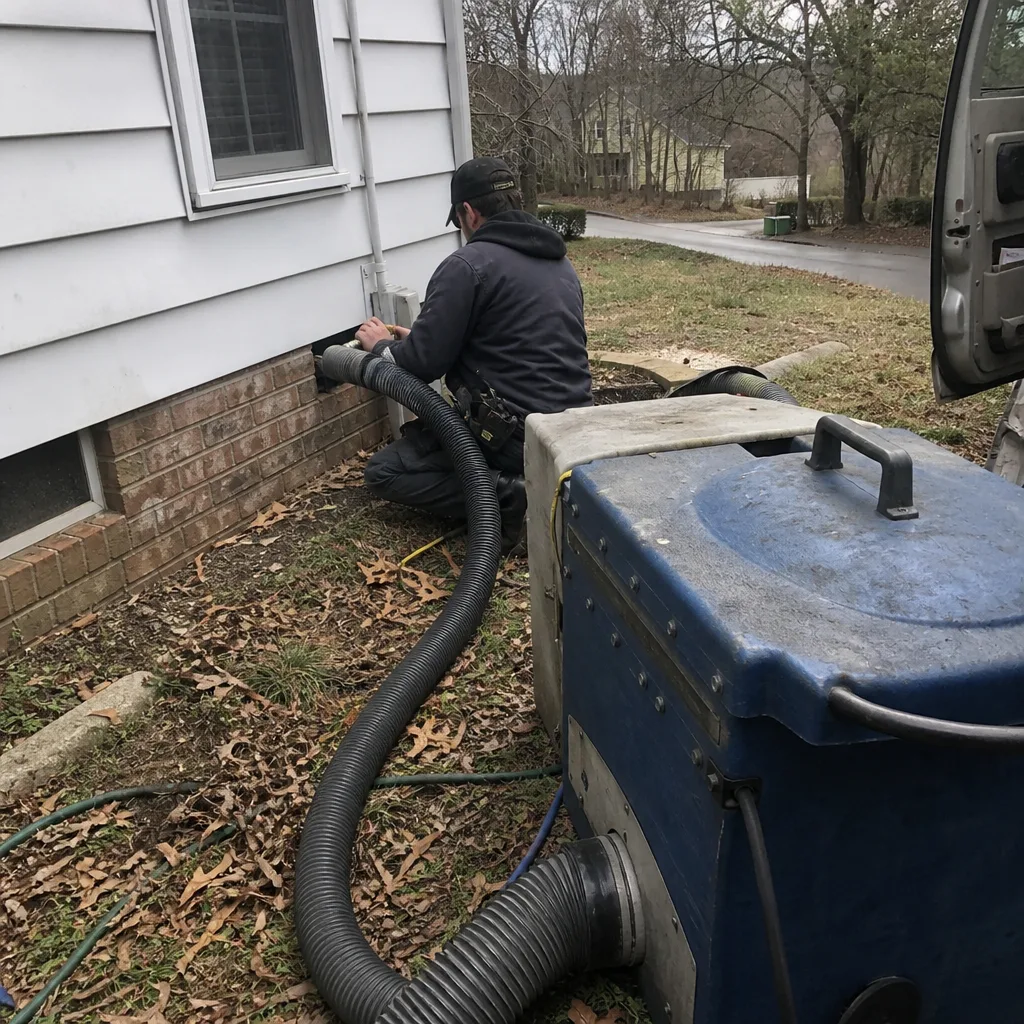 Before
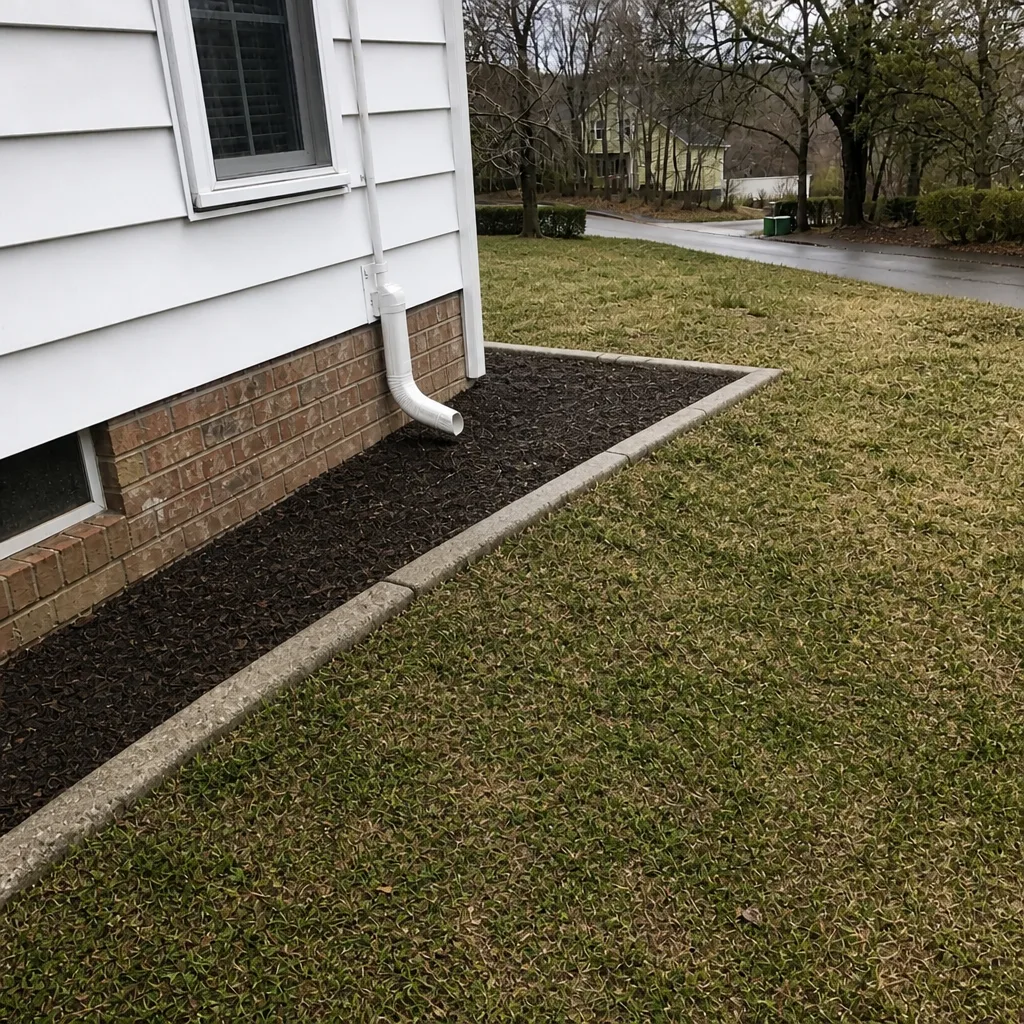 After
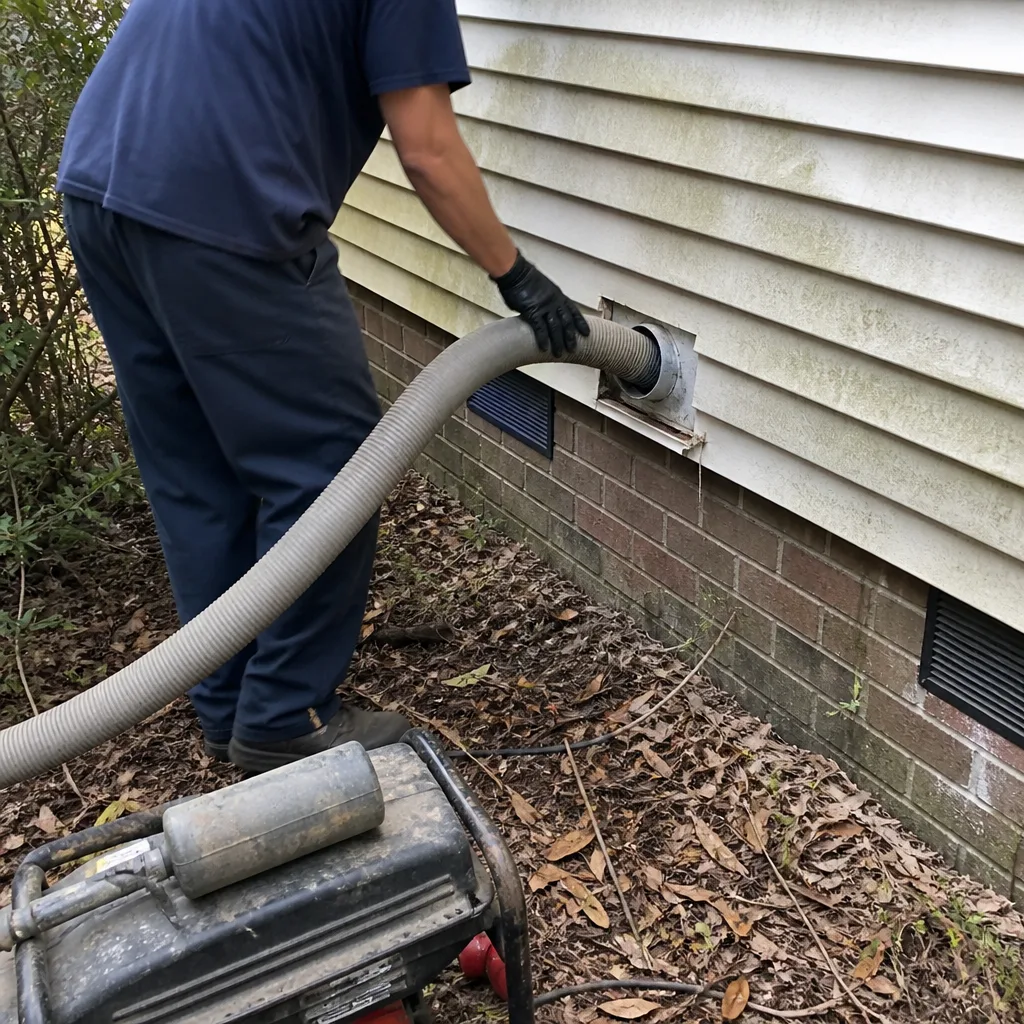 Before
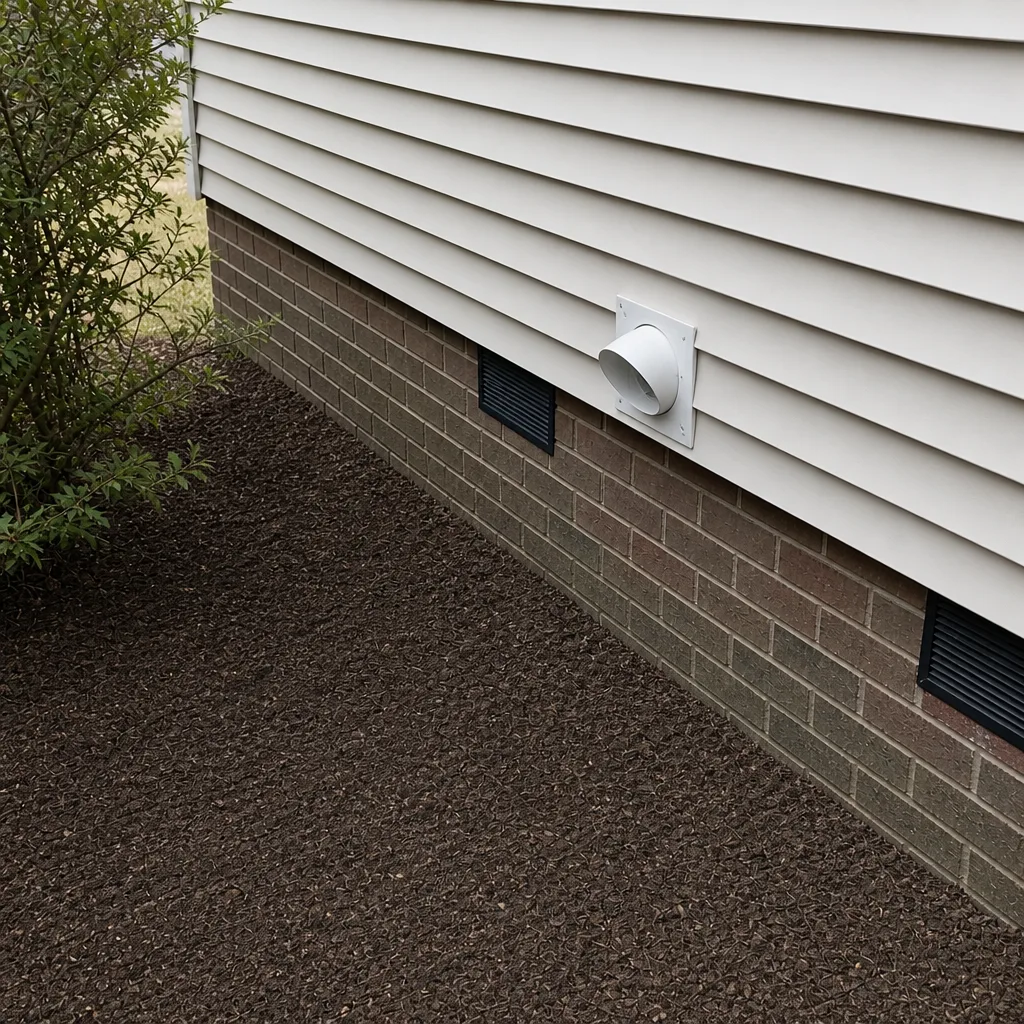 After
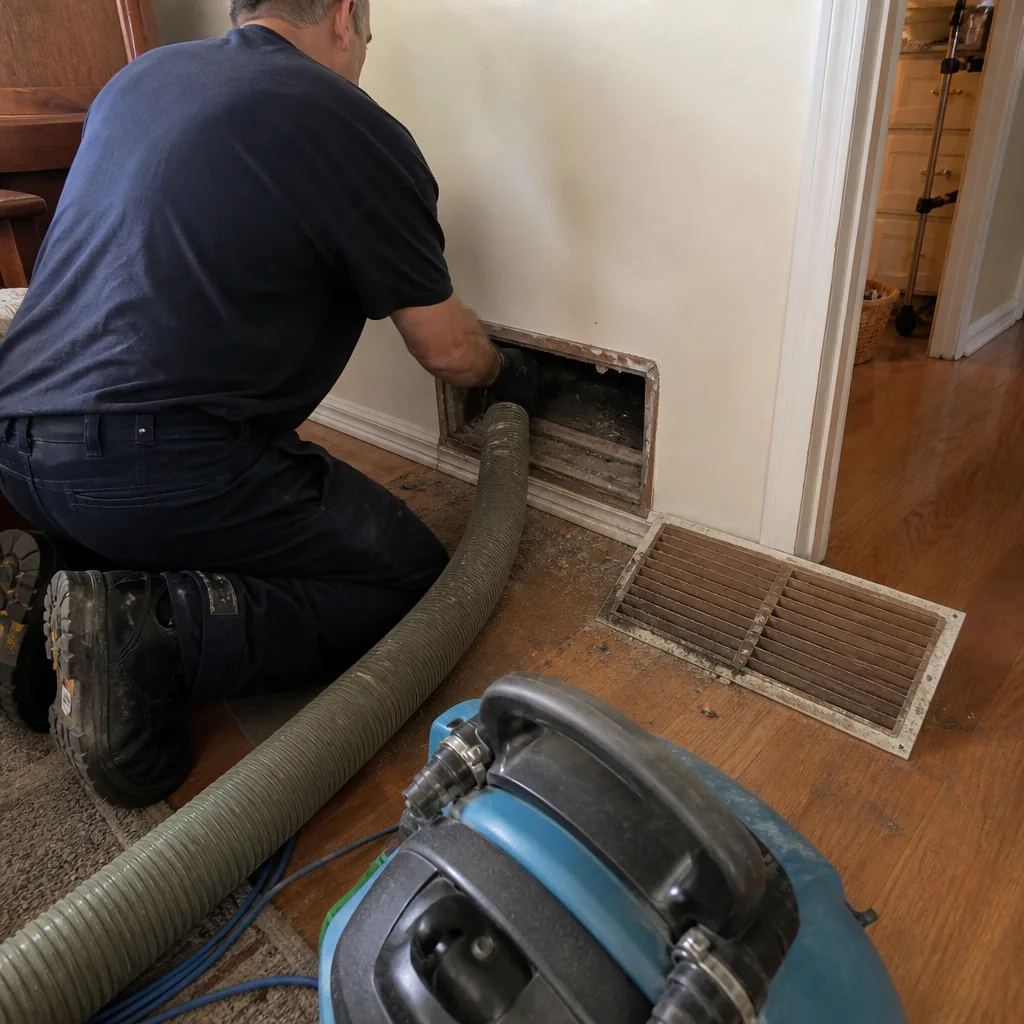 Before
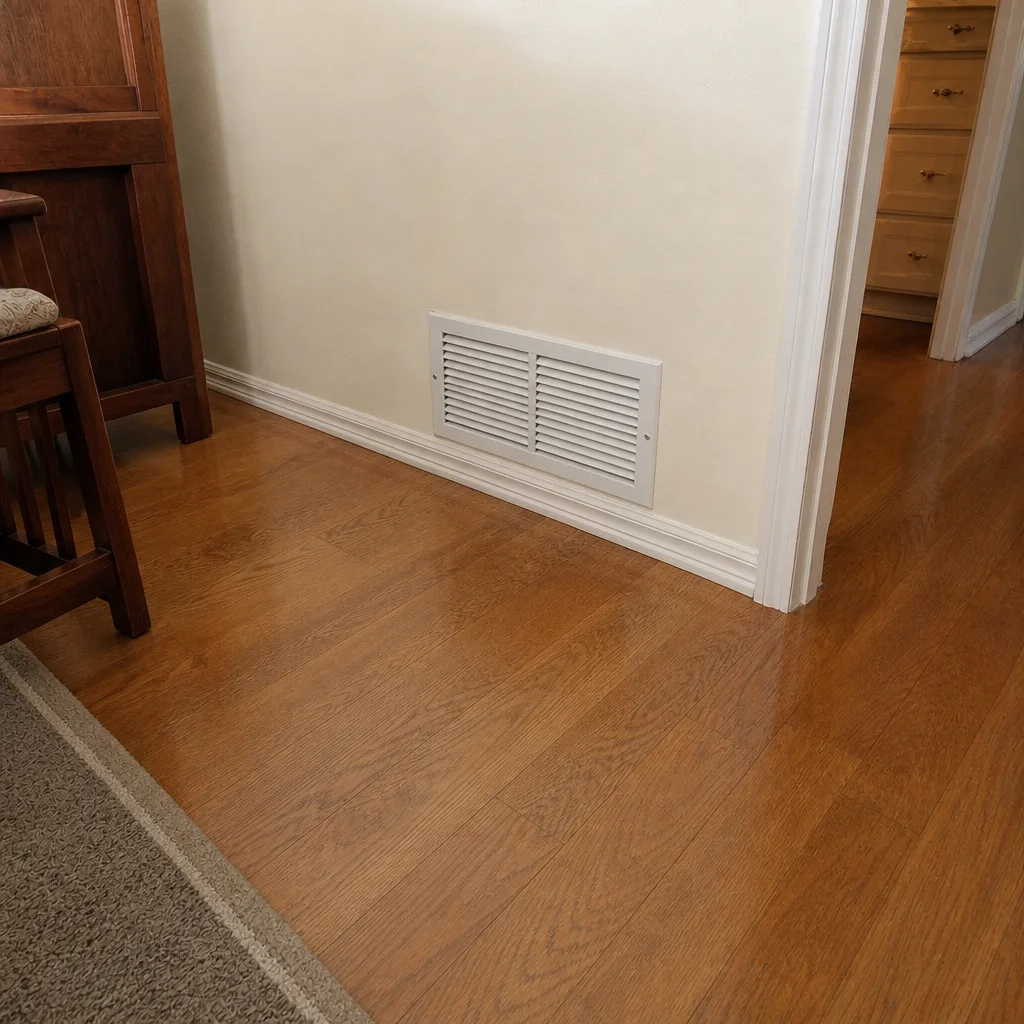 After