
Last updated November 15, 2026
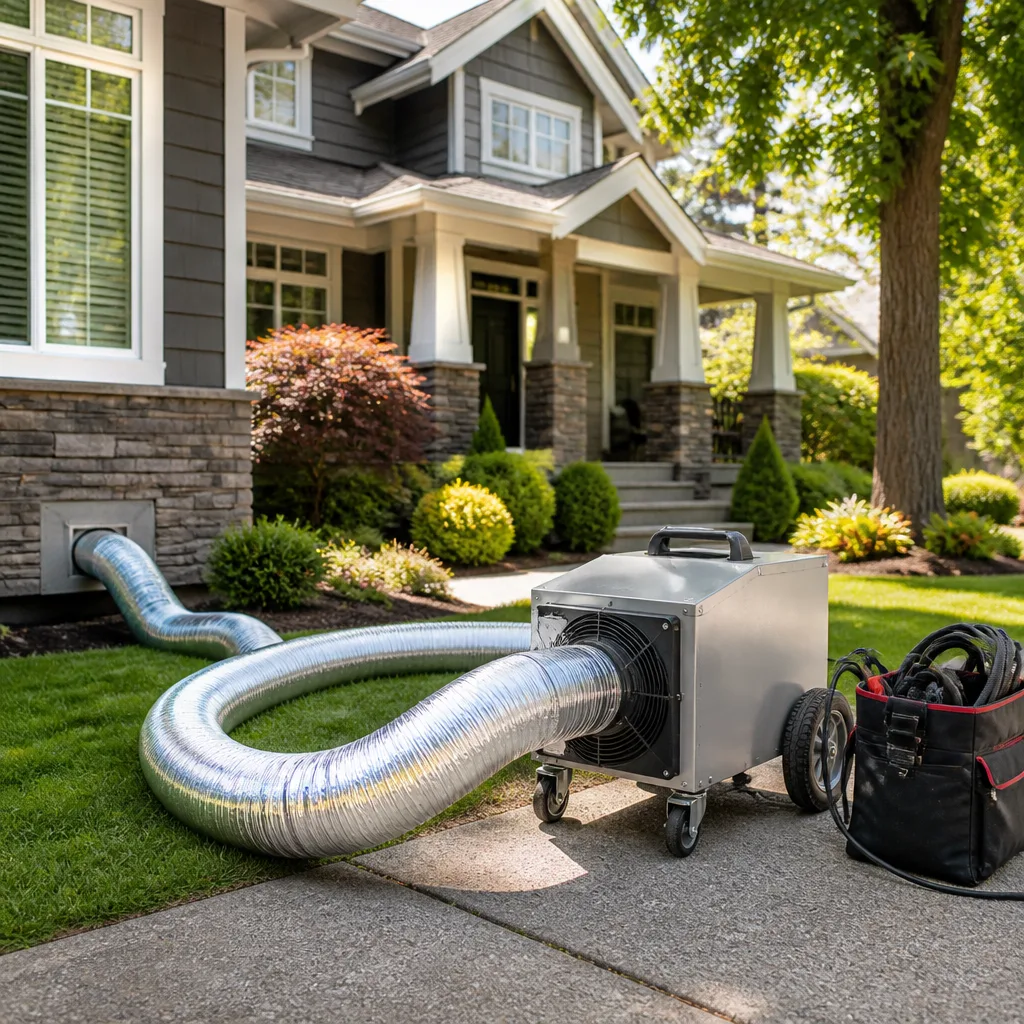 Whole-home duct cleaning
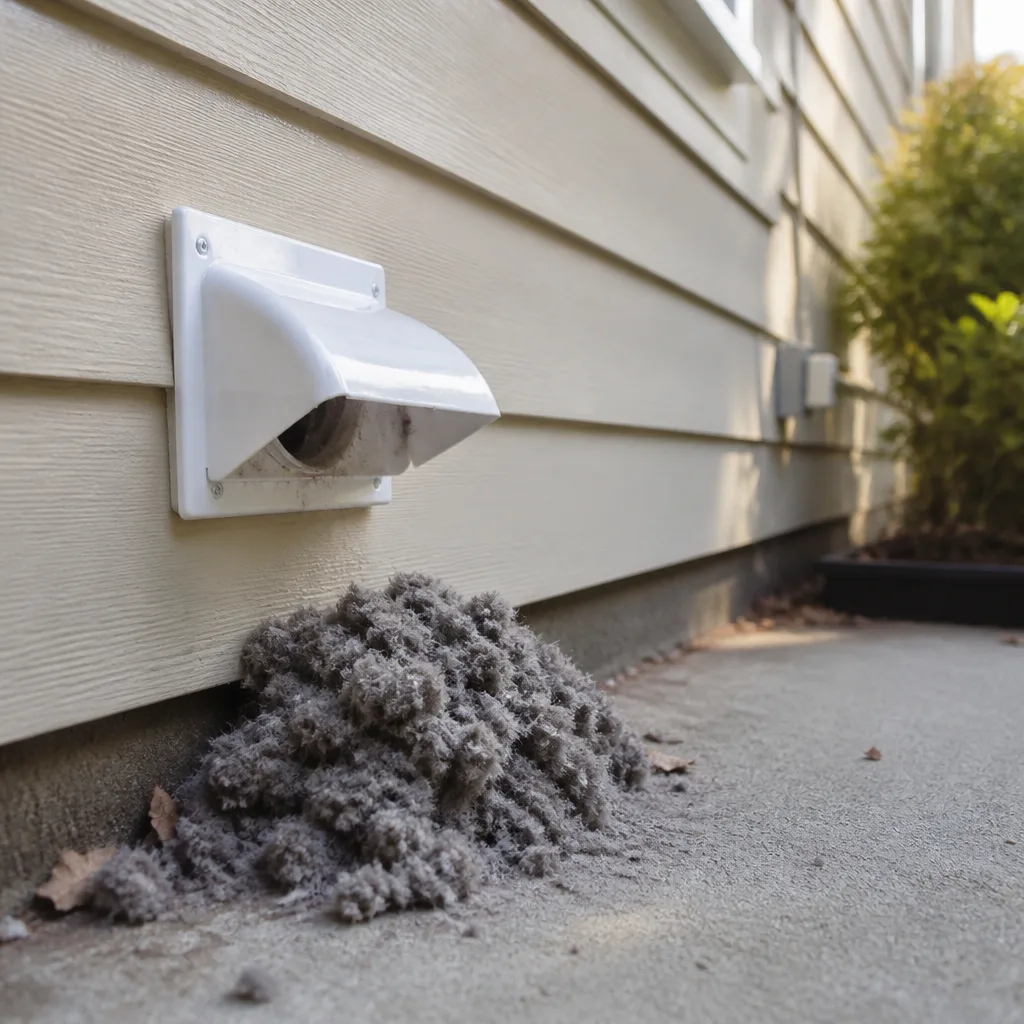 Dryer vent cleaning
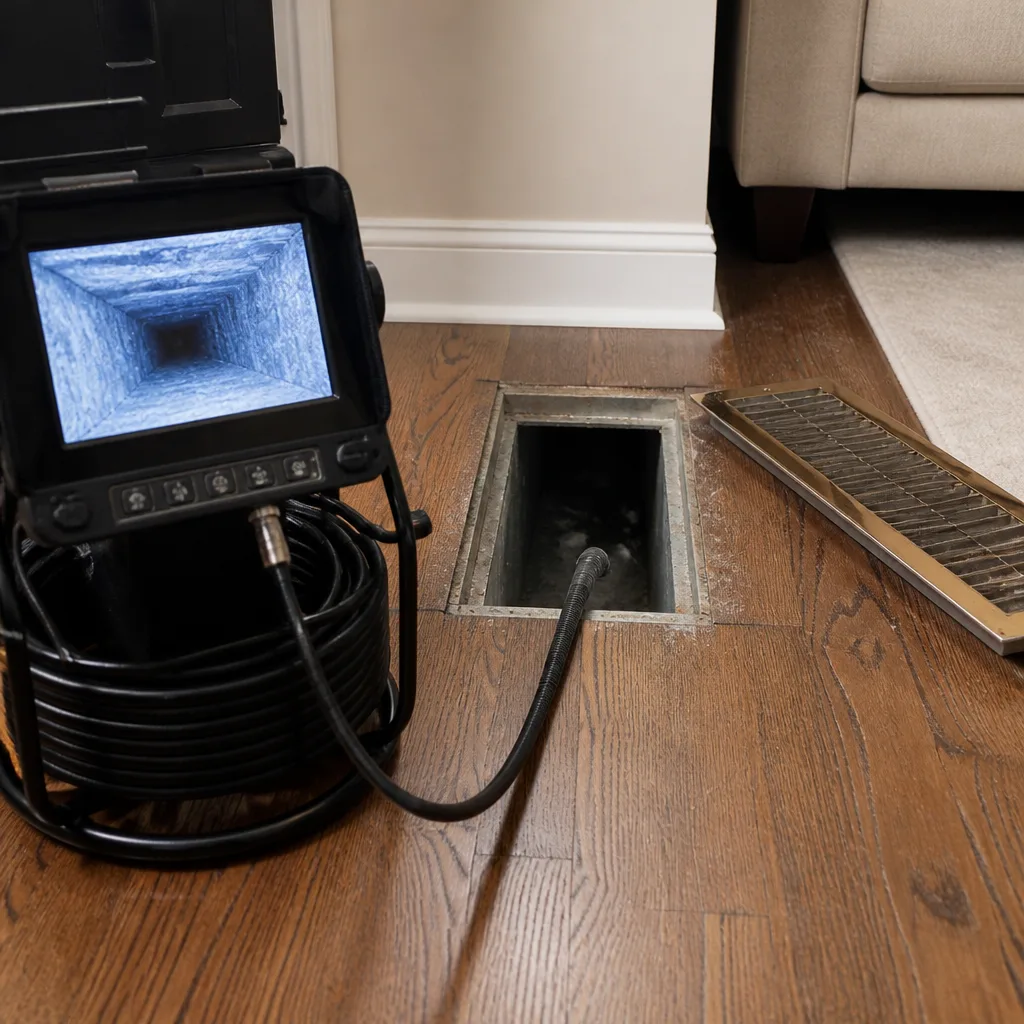 Camera inspection
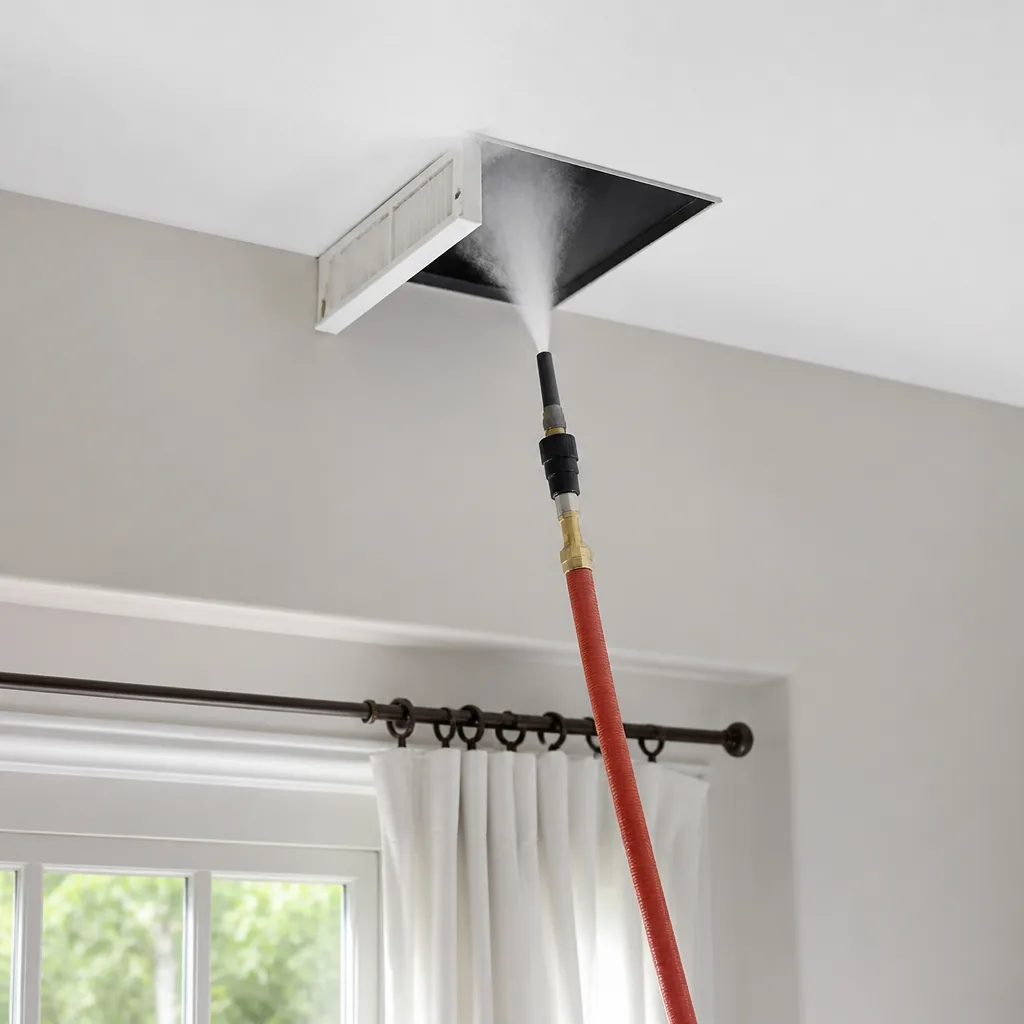 Sanitizing & deodorizing
Whole-system duct and dryer vent check with before-and-after photos - you see exactly what came out of your vents
That "$99 whole-house special" is a bait ad - the real number appears once they are in your hallway, or the "clean" is a shop-vac at the register. We photograph the inside of your ducts before and after instead.
The Complete Guide to Air Duct Cleaning in Wilmington
Most duct cleaning guides are written for a hypothetical average American home. Wilmington isn’t average. With roughly 75% average relative humidity for half the year, a heavy live oak and longleaf pine canopy overhead, and slab-on-grade construction throughout most of the city, local homes accumulate contamination in patterns that a generic playbook doesn’t address. What grows inside a duct here, how fast it colonizes, and which method actually removes it all differ from what an inland market deals with. This guide walks through the full process as it applies to Wilmington homes specifically: what collects in your ductwork, why flex duct and rigid metal behave so differently under humidity, what real negative-pressure equipment accomplishes compared to a shop-vac rig, and the verification step most companies skip.
Quick Answer
Air duct cleaning in Wilmington means removing accumulated pollen, pine debris, biological growth, and construction dust from the entire duct system using negative-air pressure and mechanical agitation, not surface wiping. Homes here need it more often than the national average because high humidity speeds biofilm formation inside flex duct, and the long pollen season pushes fine particulate into return plenums. A proper job takes several hours, covers every supply and return run, and ends with airflow measurement at the registers to confirm the restriction was actually resolved.
Styles & brands we work with
- Whole-home duct cleaning
- Dryer vent cleaning
- Camera inspection
- Sanitizing & deodorizing
Table of Contents
- Why Wilmington Homes Accumulate Duct Contamination Differently
- The Wilmington Contamination Sequence: Pollen, Pine, and Post-Storm Debris
- Flex Duct vs. Rigid Metal: Why Humidity Changes the Cleaning Method
- What Negative-Pressure Equipment Actually Does (And What Cheap Rigs Don’t)
- Slab-on-Grade Construction and Why Your Supply Boots Collect More Debris
- The Cleaning Process, Step by Step
- The Verification Step Most Companies Skip
- When Duct Cleaning Is Worth It (And When It Isn’t)
Why Wilmington Homes Accumulate Duct Contamination Differently
Wilmington sits in a humid subtropical climate with long, sticky summers and mild winters. Relative humidity holds near 75% for roughly half the year. That number matters more inside a duct system than most homeowners realize. Mold spores are present in every airstream; they need moisture to colonize. When the air handler runs and then cycles off, the interior surfaces of ducts in an unconditioned attic or crawlspace can sit at dew point for hours. In Wilmington, that cycle repeats for months.
Add the tree canopy. Live oak and longleaf pine release pollen and fine debris through a long spring window, and pine straw breaks down into a fibrous dust that floats easily. HVAC systems pull outside air through the return, filter what they can, and let the rest settle on duct walls. Over a few seasons, that fine organic material becomes a food source for biological growth once humidity is high enough.
What this means practically:
- Duct interiors in Wilmington stay damp longer than in dry inland climates, so growth establishes faster after any moisture event.
- The organic load (pollen, pine dust, leaf particulate) is heavier and more fibrous than typical household dust.
- Filter changes help, but they can’t stop fine particulate from coating duct walls over time.
- Homes near the tree canopy on the older streets around Forest Hills and Landfall accumulate material faster than newer cleared subdivisions.
Our technicians have up to 13 years of experience working on systems in this climate, and the pattern is consistent: Wilmington ductwork rarely has the thin dust film you see in a dry market. It has a thicker, more biologically active layer that requires mechanical agitation, not just suction.
The Wilmington Contamination Sequence: Pollen, Pine, and Post-Storm Debris
Contamination in a Wilmington duct system tends to accumulate in a predictable order across the year. Knowing the sequence helps you understand what’s actually in there and why a single pass with a vacuum won’t remove all of it.
- Spring pollen intrusion. Live oak and longleaf pine release pollen through a concentrated window. Fine pollen passes standard filters and settles onto duct walls and the return plenum floor.
- Pine straw and leaf particulate. As pine debris breaks down, fibrous material migrates toward the return. This is the layer that binds other contaminants together.
- Humidity-driven biofilm. Once organic material is in place and summer humidity climbs, mold and biofilm begin colonizing the damp surfaces, especially inside flex duct where the inner liner traps moisture.
- Summer construction and renovation dust. Wilmington has steady residential turnover and renovation activity. Drywall dust and insulation fibers pulled into returns during nearby work are common finds during inspections.
- Post-hurricane and storm infiltration. When a storm drives wind and water into attic spaces or loosens connections, debris and moisture enter the duct system in ways normal operation never causes.
The result is a layered contamination profile: fibrous organic material at the base, biofilm growing into it, and construction or storm debris on top. Cleaning that addresses only the top layer leaves the growth in place, and it regrows quickly once the next humid season arrives.
Flex Duct vs. Rigid Metal: Why Humidity Changes the Cleaning Method
Most Wilmington homes built in the last few decades use flex duct for at least part of their distribution system, often running through the attic. Flex duct has a corrugated plastic inner liner and a spiral wire core. That corrugation traps fine particulate that smooth rigid metal sheds more easily. More importantly, the plastic liner doesn’t dry out the way sheet metal does.
In a humid Wilmington attic, a flex run that has accumulated organic material stays moist inside. Mold and biofilm take hold in the ridges where air moves slowly. The material becomes sticky and bonded to the liner. A vacuum alone can’t remove it; the growth has to be mechanically agitated off the surface first.
Rigid metal duct behaves differently. It’s smoother, sheds moisture faster, and responds well to rotary brush agitation followed by high-volume extraction. Galvanized metal is also more tolerant of aggressive brushing without damage.
What this means for the cleaning method:
- Flex duct needs rotary brushing with contact pressure tuned to the liner, followed by high-volume negative-pressure extraction. Overbrushing damages the liner and creates new leaks.
- Rigid metal tolerates firmer rotary agitation and responds well to compressed-air whips for corners and transitions.
- Mixed systems require both approaches in a single visit, plus inspection of every connection where flex meets metal, since those junctions are where leaks and disconnects develop.
- Damaged flex runs (torn liners, crushed sections, disconnected collars) shouldn’t be cleaned and left in place. They need repair, which is why we offer air duct cleaning and duct repair as one service.
If a company shows up with a single shop-vac and a hose, it cannot do either of these properly. The method has to match the duct material, and in Wilmington that usually means both.
What Negative-Pressure Equipment Actually Does (And What Cheap Rigs Don’t)
A duct cleaning is only as good as the pressure behind it. Negative-pressure equipment pulls the entire duct system into a vacuum while a technician agitates the interior surfaces. Every loosened particle gets pulled toward the collection point instead of drifting into the living space.
Contractor-grade equipment has two critical pieces: high-volume negative air (measured in cubic feet per minute) and HEPA-rated filtration at the collection end. The volume creates the pull; the HEPA filter traps what comes out so fine biological material doesn’t get redistributed through the home. Abatement Technologies negative-air machines, which are the same units used in commercial restoration and mold remediation work, are built to hold that pressure while filtering at HEPA level. Portable shop-vac units used by low-bid operators don’t come close.
A proper setup includes:
- A negative-air machine connected to the main trunk, pulling the entire system into vacuum before agitation begins.
- HEPA-filtered exhaust so dislodged material doesn’t exit into the home.
- A rotary brush system like Rotobrush to agitate flex and rigid duct interiors without tearing liners.
- A Nikro HEPA-rated vacuum for detailed work at boots, plenums, and the air handler cabinet.
- Register-level sealing so the pressure differential holds throughout the job.
In Wilmington, where the contamination layer is thicker and often biologically active, that combination isn’t a luxury. Weak suction by a shop-vac rig stirs up material without removing it, and in a humid home that aerosolized material settles right back onto damp duct walls to regrow. The equipment we bring to your home is what separates a real cleaning from an expensive air stir.
Slab-on-Grade Construction and Why Your Supply Boots Collect More Debris
Most of Wilmington’s housing stock sits on slab-on-grade foundations. That means the supply boots, the sheet-metal fittings that connect the duct run to the floor register, drop directly into the concrete slab or sit at grade within the conditioned space. In northern markets with basements or crawlspaces, boots are vertical and air moves through them from below.
Slab-on-grade boots sit differently, and debris collects differently:
- The bottom of the boot is close to the floor register, so gravity drops heavier debris into the base where it compacts.
- Small imperfections in the collar seal are common, and small leaks pull in floor-level dust and fine debris from the conditioned space.
- Register boots in high-traffic areas collect pet hair, dust bunnies, and carpet fibers that accumulate on the floor and get pulled toward the boot by return pressure.
- Because the boot sits at grade, humidity from the slab can move upward into the duct transition, keeping the fitting damp.
Our inspections of Wilmington systems consistently find heavier accumulation at the boots and floor transitions than in the runs themselves. A cleaning that skips the boots leaves the worst material untouched. A rotary brush and HEPA vacuum worked properly into each boot, with the collar seal inspected while the technician is there, is the only way to handle it. This is also where duct repair comes up: collars that have separated from the register box, boots with crushed transitions, and seams that leak are common findings during a thorough cleaning, and they’re the kind of issue that’s far easier to fix in the same visit than to schedule as a separate job later.
If you live on slab construction in neighborhoods like Ogden or Monkey Junction, expect the boots to be the heaviest part of the removal.
The Cleaning Process, Step by Step
A full duct cleaning on a Wilmington home follows a defined sequence. The order matters because each step depends on the one before it.
- Initial inspection. The technician inspects the air handler, plenums, accessible duct runs, boots, and returns. Flex liners, collar seals, and any visible moisture or biological growth are noted before any work begins.
- Containment setup. Negative-air equipment is connected to the main trunk. Registers are sealed so pressure holds. HEPA filtration is confirmed.
- Agitation phase. Rotary brush tools work every accessible run. Flex duct gets liner-safe brushing; rigid metal gets firmer agitation and compressed-air whips. The negative-air machine simultaneously pulls loosened material into the collection system.
- Boot and plenum detailing. Each supply boot and the return plenum are cleaned separately with the Nikro HEPA vacuum. Collar seals are inspected as each boot is opened.
- Air handler cabinet. The evaporator coil cabinet, blower compartment, and drain pan are vacuumed. Filters are inspected and replaced if needed.
- Repair pass. Any leaks, disconnected collars, torn flex sections, or crushed runs found during the cleaning are scheduled for repair, either immediately or on the next visit.
- Before-and-after documentation. Photos are taken at each major component when the job begins and again when it’s finished, so you have a record of the condition change.
- Airflow verification. Register-level airflow is measured at each supply to confirm the restriction is actually resolved. See the next section.
A system with three services in scope (cleaning, repair, and dryer vent service if it’s part of the same visit) typically runs longer. A single-system duct cleaning on a standard Wilmington home runs several hours, which is normal for a job using proper equipment.
The Verification Step Most Companies Skip
Cleaning without measuring airflow is a job with no proof it worked. Duct cleaning is meant to resolve a restriction: a confirmed accumulation that’s reducing airflow or degrading air quality. If airflow at the registers isn’t measured before and after, there’s no objective evidence the restriction is gone.
Verification is straightforward. A handheld airflow meter (or a balometer) is placed over each supply register and the reading recorded. The numbers should show a measurable improvement on restricted runs. Where they don’t, the technician knows the restriction is somewhere else, most commonly a collapsed flex run, a disconnected collar, or an undersized return. That’s the exact reason duct repair capability matters in the same company: the inspection during cleaning finds the cause, and the repair resolves it.
Ask for the before-and-after airflow readings on any cleaning quote. A company that doesn’t take airflow measurements likely isn’t verifying its own work, and that’s the single clearest sign you’re dealing with a volume operator rather than a specialist.
When Duct Cleaning Is Worth It (And When It Isn’t)
Not every Wilmington home needs duct cleaning. Newer homes with sealed and well-maintained systems, recent duct installation, and regular filter changes often don’t. So when is it worth the expense?
- Visible growth or moisture. Any evidence of biological growth inside the duct system, or visible moisture staining near a supply boot or the air handler, is a reason to have the system inspected and cleaned.
- Recent storm or renovation activity. Post-hurricane debris infiltration or renovation dust pulled into returns is a common justification in Wilmington.
- Persistent airflow problems. Rooms that stay warm, weak airflow at registers, or a system that runs constantly without keeping up are signs of restriction. Verification will tell you whether it’s duct-related.
- Pest intrusion. Rodents or insects entering the duct system leave droppings and debris that need professional removal, not DIY vacuuming.
- Recent purchase of an older home. Prior cleaning history is usually unknown when a home changes hands, and an inspection during move-in is a reasonable baseline.
If none of those apply, a duct cleaning may not deliver meaningful improvement. We’d rather tell you that than sell a cleaning you don’t need, because the whole point of proper containment and real suction is verifying that the outcome actually mattered. For more on the broader market context and why Wilmington homes tend toward heavier contamination, our Wilmington overview covers what’s specific to the area.
Common Mistakes to Avoid
- Hiring on price alone. A quote that comes in at a fraction of a real whole-system cleaning almost always means a shop-vac rig, no HEPA filtration, and no verification. Ask what equipment will be used and what happens after the cleaning.
- Choosing a company that skips airflow verification. If nobody measures airflow at the registers before and after, there’s no proof the restriction was resolved. A serious operator records the readings.
- Failing to check for duct repair during the same visit. Disconnected collars, torn flex, and crushed runs found during a cleaning but left untouched will undo most of the improvement. Since we handle repair in-house, there’s no reason to schedule a second contractor to come back.
- Assuming filter changes eliminate the need for cleaning. Filters catch coarse dust. They don’t prevent fine pollen, pine particulate, or biological growth from coating duct walls in a humid Wilmington climate.
- Cleaning only the supply runs. The return plenum and the air handler cabinet are usually the most contaminated parts of the system, and they’re frequently skipped in low-bid work.
- Ignoring the dryer vent while the technician is there. A dryer vent is a fire risk, not a maintenance footnote. If the duct system inspection is happening, the dryer vent is worth inspecting at the same visit. Our dryer vent cleaning service covers this properly.
- Expecting “before-and-after” photos that show only the floor register. Documentation should show the interior of the ducts and plenum, not just the visible face of the register. Ask to see photos of what’s actually inside before work begins.
See the difference
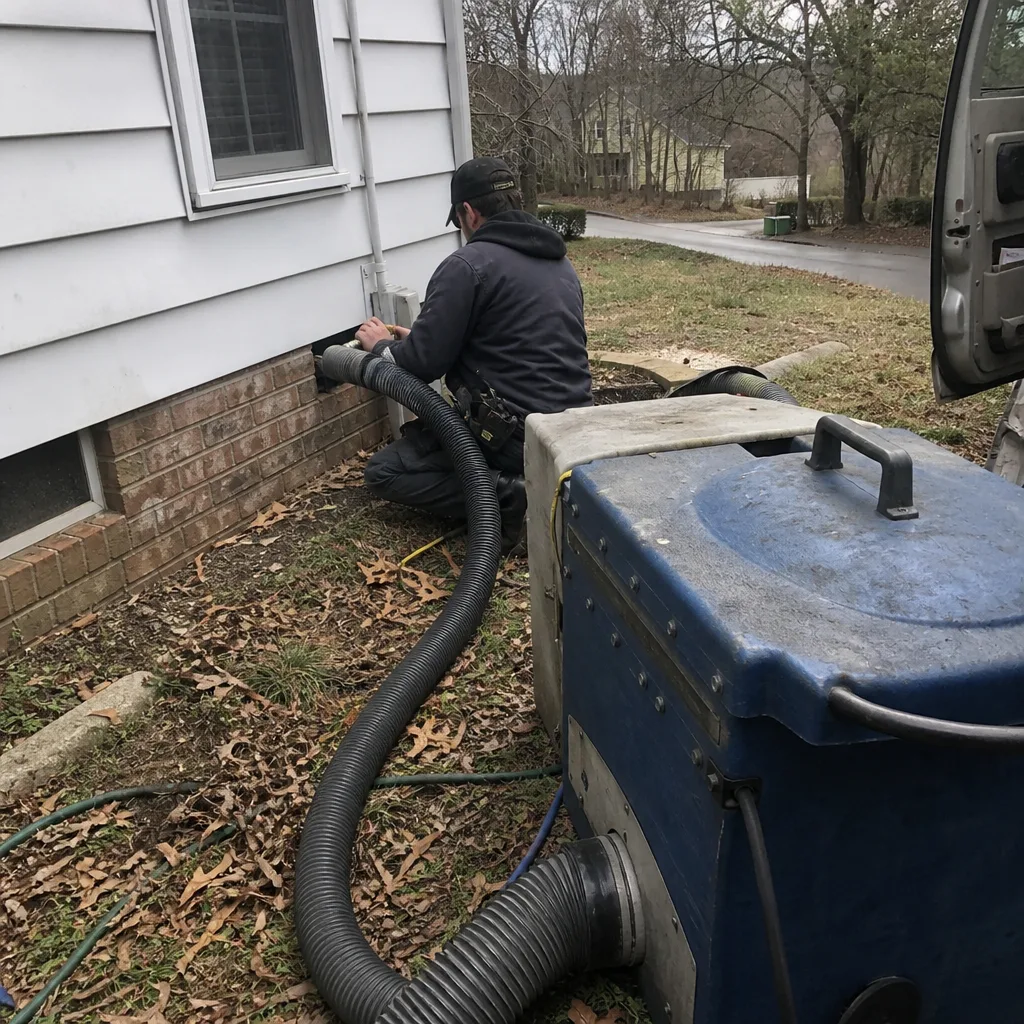 Before
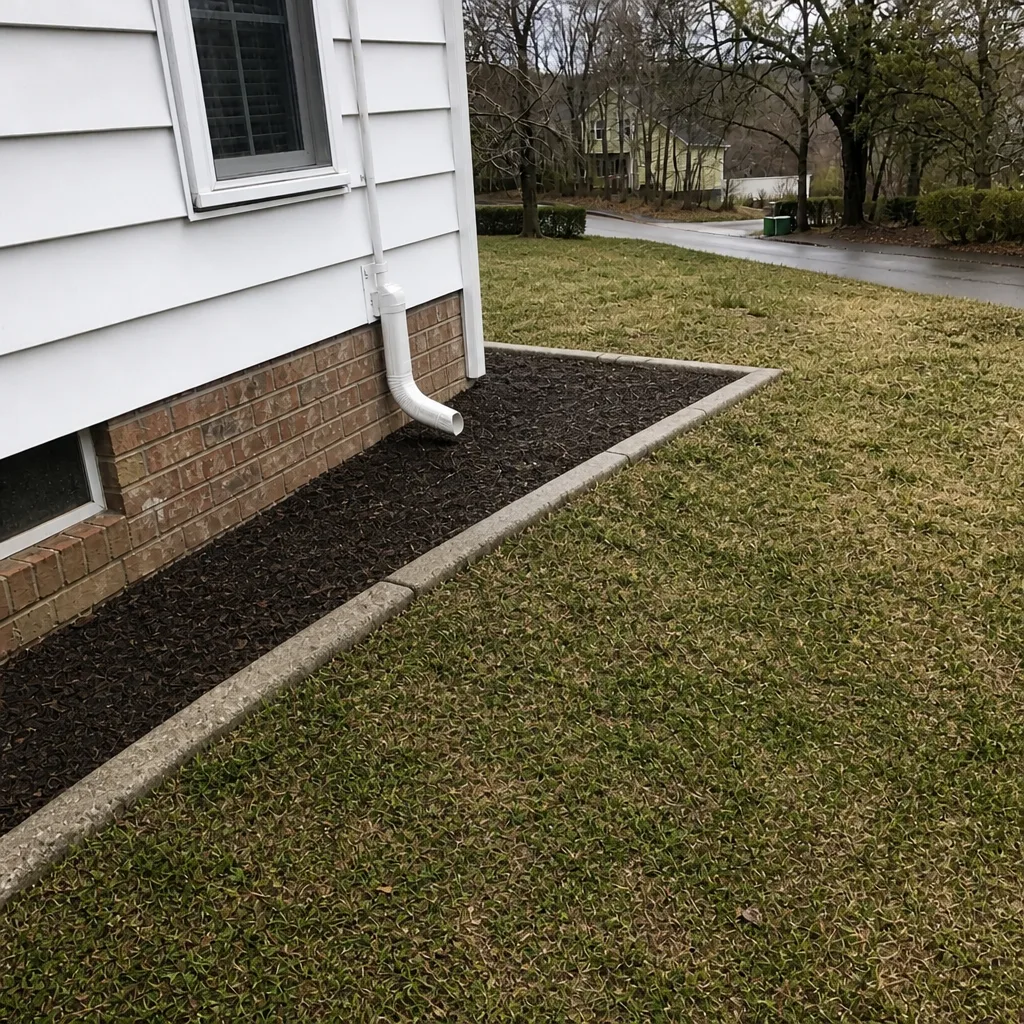 After
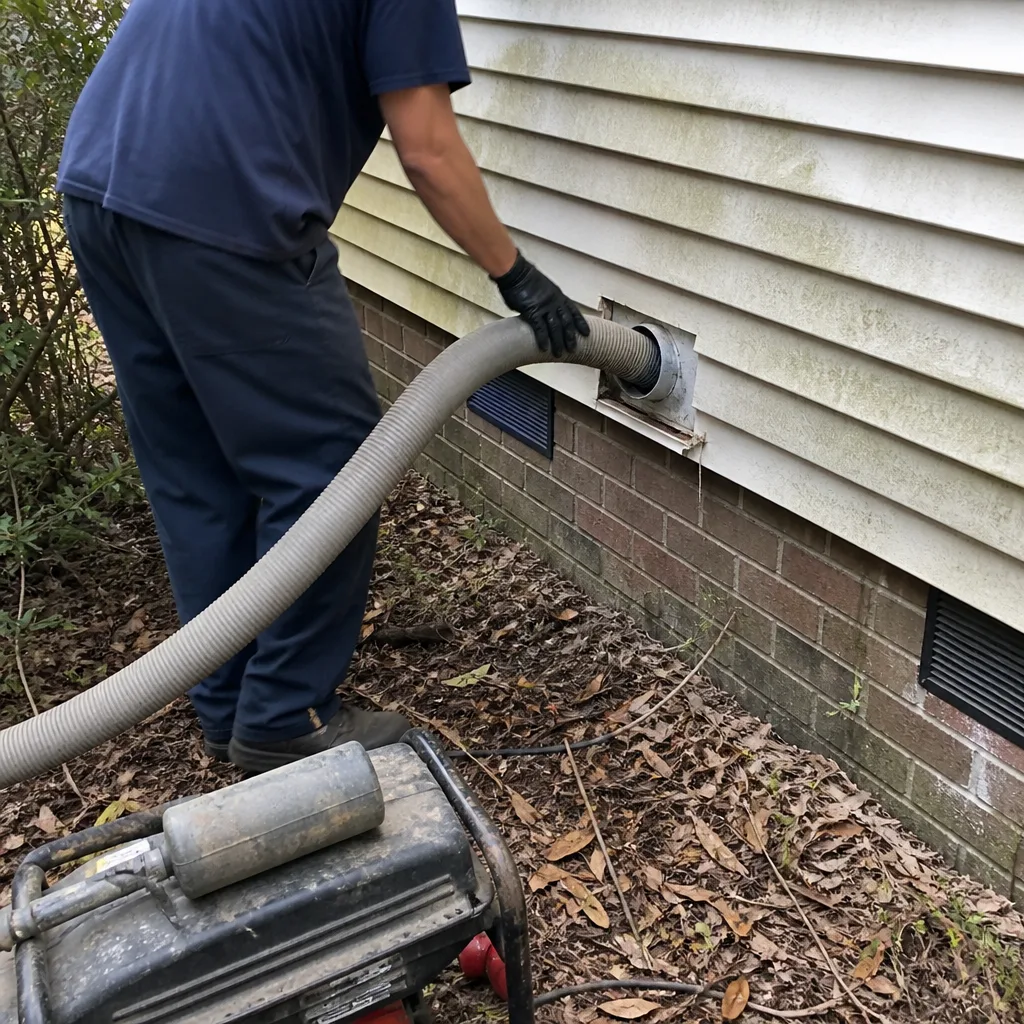 Before
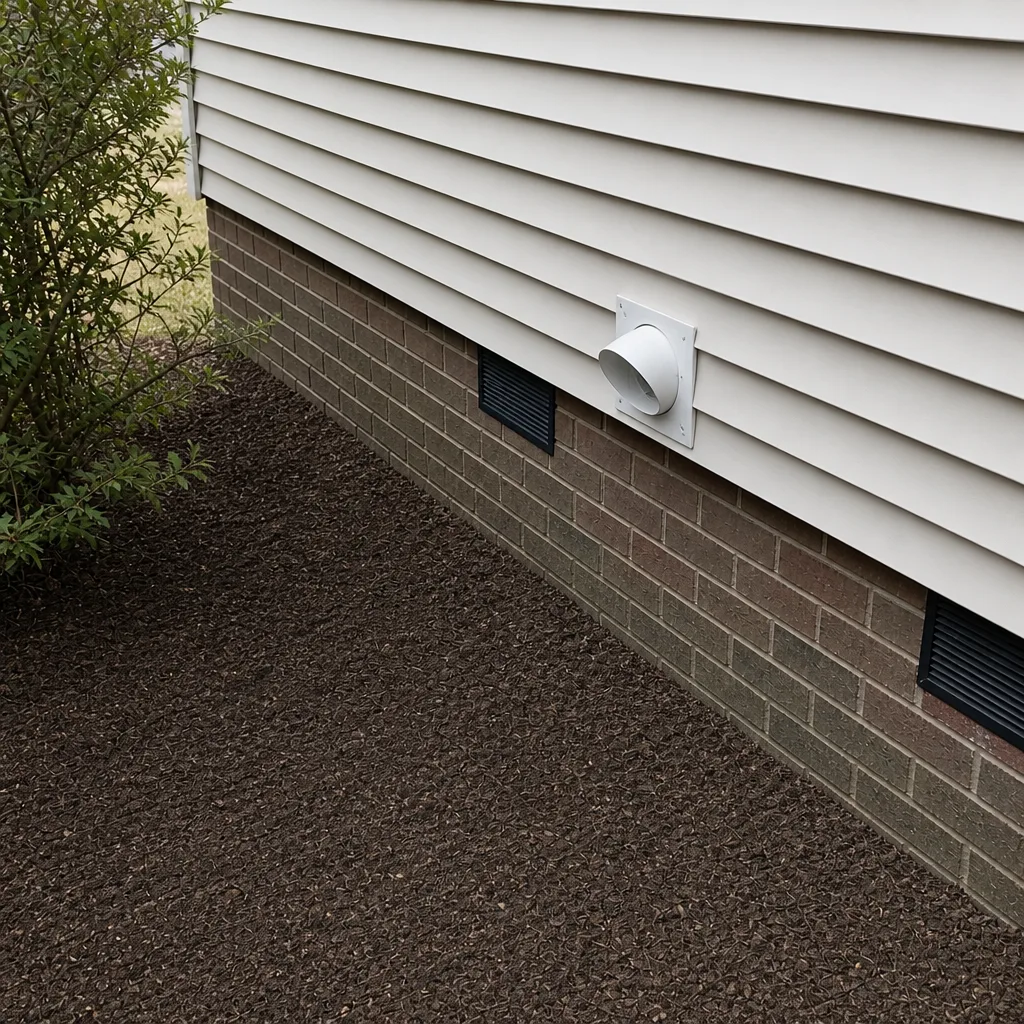 After
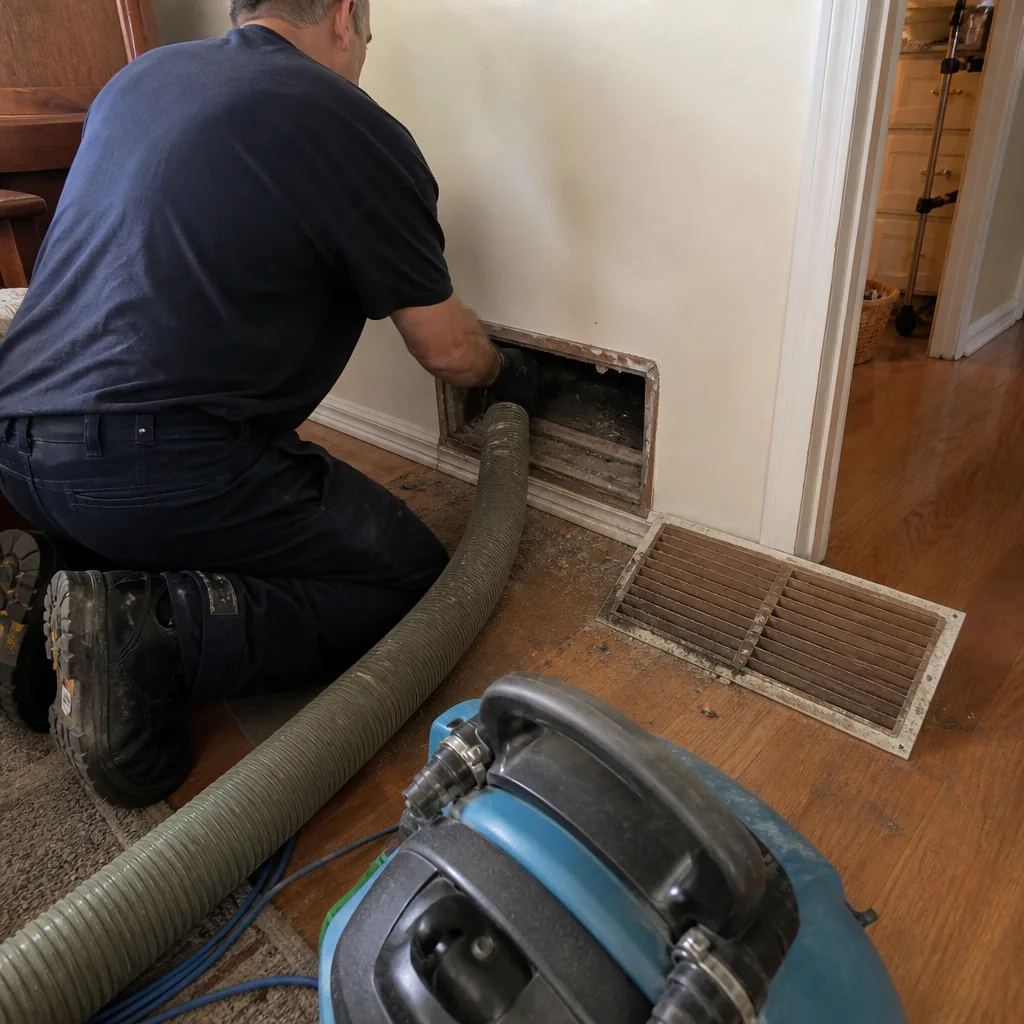 Before
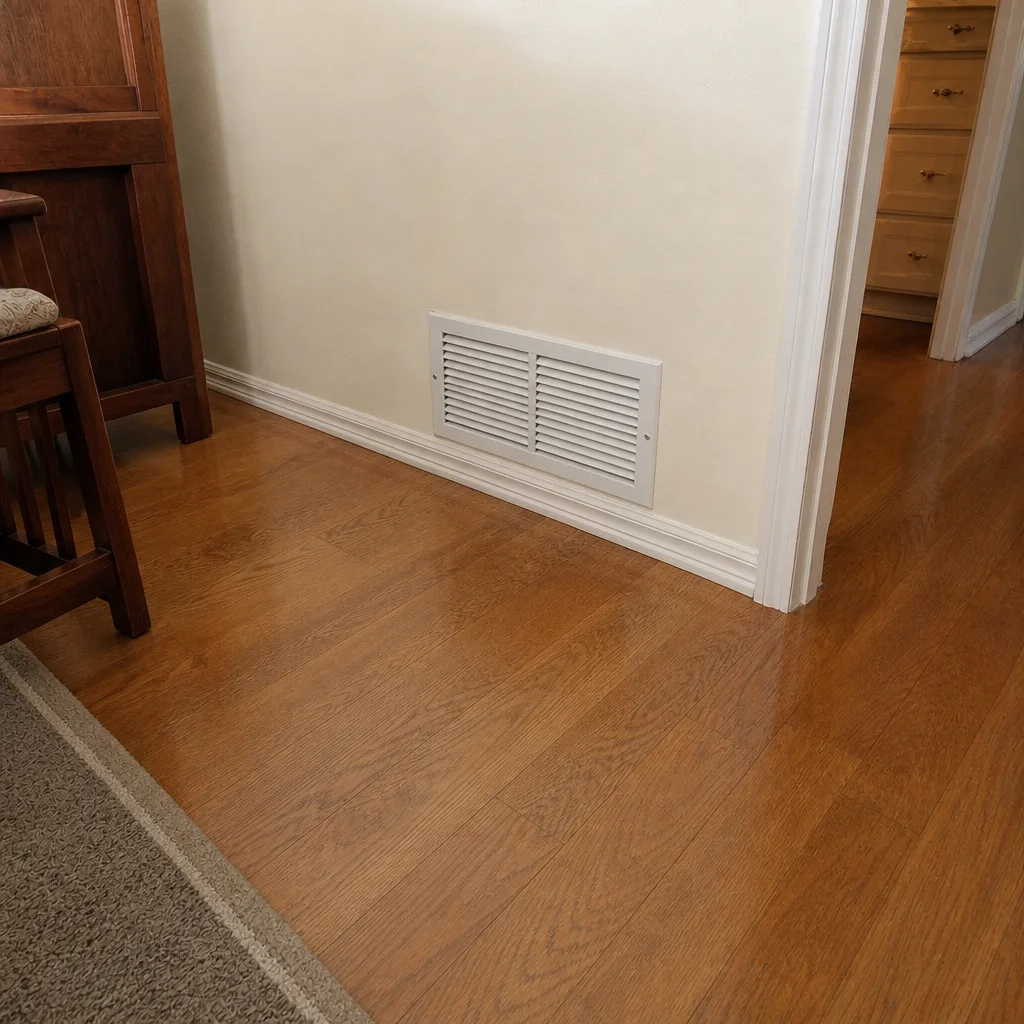 After
When to Call a Professional
Some duct problems are dangerous or easy to make worse with DIY effort. Visible biological growth inside ducts, pest droppings, a disconnected flex run near the air handler, and any sign of moisture intrusion into the duct system require trained handling. High-volume negative air and HEPA filtration are what keep that material from being distributed into your living space. Electrical components inside the air handler cabinet shouldn’t be touched without power disconnected and proper knowledge of the system. If you find a torn flex liner, a crushed run, or a boot that has pulled away from the register box, don’t try to patch it with tape; a repair that doesn’t hold will leak conditioned air into the attic and make the problem worse.
Wilmington Duct Cleaning offers free estimates in Wilmington. Call (855) 360-7068. We answer 24/7. Fast dispatch from 7am to 7pm, Sunday through Friday.
Frequently Asked Questions
Whole-system duct cleaning is priced per system by written estimate, not by the vent or with a teaser coupon figure. The estimate is free, and the price you agree to is the price you pay before any work begins. A whole-home cleaning based on the number of registers, the system layout, and whether repair is needed during the visit is priced appropriately for the equipment required; a quote that undercuts that significantly usually reflects a shop-vac rig rather than HEPA negative air and rotary brushing. Call (855) 360-7068 for an exact quote. Estimates are free.
They’re cheaper because the work is different. A low quote typically means a portable shop-vac rig with no HEPA filtration, no negative-air containment, no rotary agitation, and no airflow verification. That setup stirs up material without removing it, and in Wilmington’s high humidity the aerosolized material settles back onto damp duct walls and regrows. A proper cleaning requires contractor-grade equipment (Abatement Technologies negative air, Rotobrush rotary brush systems, Nikro HEPA vacuums) and several hours of technician time. Call (855) 360-7068 to talk through a quote that reflects the actual work.
You should see before-and-after photos of the interior of the ducts and the return plenum, not just the visible face of a register. Beyond photos, airflow readings at each supply register before and after cleaning confirm the restriction was resolved. If a company can’t provide both, it’s worth asking why. Call (855) 360-7068 for a free estimate and to see how we document the work.
It depends on the home. In Wilmington’s humid climate and heavy pollen season, a home with pets or a long-established tree canopy nearby typically benefits from an inspection every few years, with cleaning when a problem is actually found. Newer homes with sealed systems and clean ducts may go longer. The right answer is inspection-driven, not calendar-driven. Call (855) 360-7068 to schedule an inspection that tells you whether cleaning is actually warranted.
Often, yes, but only if the airflow problem is actually caused by duct restriction. Cleaning resolves accumulated debris and biological growth inside the runs. If the restriction comes from a collapsed flex run, a disconnected collar, or an undersized return, cleaning alone won’t fix it; repair will. The airflow verification step tells the difference, which is why we handle both cleaning and repair as part of a single service scope. Call (855) 360-7068 to schedule an inspection.
Flex duct has a corrugated plastic liner that traps fine particulate and holds moisture, so it needs liner-safe rotary brushing followed by high-volume extraction. Rigid metal duct is smoother, sheds moisture better, and tolerates firmer agitation with compressed-air whips. Systems with both (most Wilmington homes) need both methods in the same visit, plus inspection of the transitions where they meet. Call (855) 360-7068 for a quote that covers the whole system.
The Bottom Line
Wilmington duct contamination isn’t the generic dust film most cleaning guides describe. It’s a layered mix of pine pollen, fibrous pine debris, biological growth accelerated by year-round high humidity, and post-storm infiltration, all settling heavily in the supply boots of slab-on-grade homes. Cleaning it properly means the right pressure, the right agitation tool for each duct material, HEPA filtration throughout, and airflow verification at the end. The equipment we bring to your home is the difference between removing the contamination and just stirring it up. Our technicians have up to 13 years of experience working systems in this climate, and we handle cleaning, repair, and dryer vent service as one company so a job doesn’t stall halfway through.
Booking a dryer vent cleaning alongside a duct cleaning visit is worth asking about when you call, and the same negative-air approach applies. If you’re weighing whether cleaning is right for your home, read our overview of Wilmington and its specific climate factors, or call (855) 360-7068 for a free estimate. We answer 24/7. Fast dispatch from 7am to 7pm, Sunday through Friday. Our technicians are certified through the Wilmington Duct Cleaning team and work on the system, not just the visible parts.
Written by the team at Wilmington Duct Cleaning.